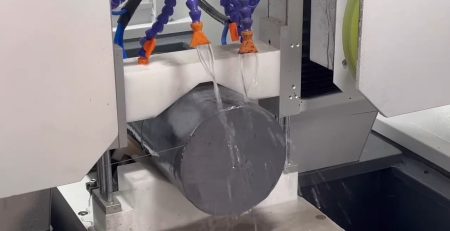
Taglio di celle solari a film sottile: L'anello a filo diamantato eccelle
- Materiali fotovoltaici a film sottile come CdTe, CIGS e a-Si richiedono un taglio di precisione che eviti sia danni termici sia meccanici.
- Il filo di diamante supera laser e lame su pile fragili a film sottile: è un processo a freddo, a fessura stretta con bordi puliti.
- Il taglio con filo di diamante viene applicato nei moduli CdTe, Pannelli CIGS e in silicio amorfo, ed è considerata il futuro del taglio fotovoltaico avanzato.
L'industria dell'energia solare continua a evolversi con il fotovoltaico a film sottile avanzato (PV) tecnologie che offrono maggiore efficienza e costi di produzione più bassi. Tra questi, Tellururo di cadmio (CdTe), Seleniuro di rame, indio e gallio (CIGS), e Silicio Amorfo (a-Si) si distinguono come materiali chiave per i pannelli solari di nuova generazione.
Tuttavia, La produzione di celle solari a film sottile ad alte prestazioni richiede tagli di precisione per minimizzare gli sprechi di materiale e mantenere l'integrità strutturale. Sebbene esistano vari metodi di taglio, anello di filo per taglio diamantato la tecnologia è emersa come la soluzione più efficiente per semiconduttori a film sottile.
 Questo blog esplora:
✔ Perché i materiali solari a film sottile necessitano di tagli di precisione
✔ Comparison of cutting technologies
✔ Why diamond cutting wire loop is the best choice
✔ Industry applications and future trends
Thin-film stock fails for the same reason thin wafers do — see the yield notes under the wafer cutting process.
Why Thin-Film Solar Materials Require Precision Cutting
Thin-film solar cells are significantly thinner (1–4 µm) than traditional wafer di silicio, making them more challenging to cut without damage. Key challenges include:
- Minimal Kerf Loss Requirement
– Thin-film materials are expensive; waste reduction is critical for cost efficiency.
– Traditional saws create >200 µm kerf loss, while diamond wire loops achieve <100 µm.
- High-Quality Edge Finish Needed
– Rough edges reduce cell efficiency due to increased recombination losses.
– Laser cutting can cause heat damage, degrading performance.
- Scalabilità per la Produzione di Massa
– La produzione di pannelli solari a film sottile richiede tagli ad alta produttività senza sacrificare la qualità.
Tecnologie di Taglio per Materiali Solari a Film Sottile
| Metodo | Vantaggi | Svantaggi | Migliore per |
| Scribatura Meccanica | Basso costo | Alto tasso di rottura | Ricerca a livello di laboratorio&D |
| Taglio laser | Alta precisione | Zona interessata dal calore (HAZ) | Produzione su piccola scala |
| Taglio a Ultrasuoni | Stress minimo | Velocità di lavorazione lenta | Substrati flessibili |
| Anello di filo da taglio diamantato | Nessuna Zona Alterata Termicamente (HAZ), ad alta velocità, Bassa perdita di materiale (kerf) | Investimento iniziale più elevato | Produzione di massa |
Perché il filo diamantato a ciclo di taglio supera altri metodi
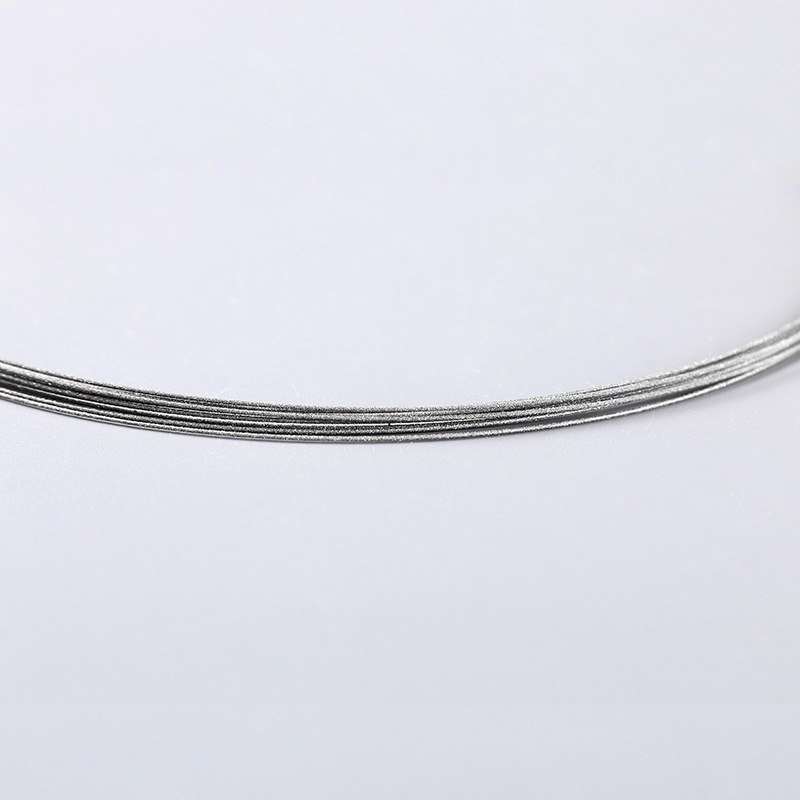

– Raggiunge una larghezza di kerf di 50–80 µm, conservando più materiale attivo.
– 30% rendimento del materiale maggiore rispetto a. metodi laser/meccanici.
- Processo di Taglio a Freddo (Nessun danno da calore)
– A differenza dei laser, i fili diamantati a ciclo di taglio non generano calore, prevenendo:
– crepe da stress termico nel CdTe
– delaminazione degli strati nel CIGS & a-Si
3. Qualità del bordo superiore
– Rugosità superficiale <0.5 µm (vs. 2–5 µm con i laser).
– Bordi più lisci = maggiore efficienza della cella (fino a 1.5% guadagno).
4. Produzione ad alta velocità
– I sistemi automatizzati a filo riducono i tempi di inattività.
5. Riduzione dei costi operativi
– Nessuna sospensione consumabile (a differenza delle seghe abrasive).
Applicazioni nella produzione di celle solari a film sottile
1. Moduli solari CdTe
– Sfida: Il CdTe è fragile e sensibile allo stress termico.
– Soluzione: I fili diamantati offrono tagli puliti, senza crepe per la produzione ad alta velocità di pannelli CdTe.
2.Celle solari flessibili CIGS
– Sfida: Rischio di delaminazione durante il taglio.
– Soluzione: Il filo diamantato a bassa tensione previene la separazione degli strati.
3. Pannelli a film sottile a-Si
– Sfida: La scarsa resistenza meccanica porta a difetti sui bordi.
– Soluzione: I fili diamantati lucidati garantiscono bordi lisci, senza difetti.
Tendenze future: Fili diamantati nei PV avanzati
- Wafer più sottili (0.5–1 µm) – La tecnologia del filo diamantato si sta adattando ai film ultra-sottili.
- Controllo della tensione ottimizzato dall'IA – Riducendo ulteriormente il tasso di rottura.
Conclusione: Il filo diamantato per il taglio è il futuro
Per i materiali solari a film sottile (CdTe, CIGS, a-Si), la tecnologia del filo diamantato per il taglio offre:
✅ Highest material yield (lowest kerf loss)
✅ No thermal damage (critical for thin films)
✅ Production-scale speeds
✅ Long-term cost savings
As the solar industry shifts toward higher-efficiency thin-film PV, manufacturers adopting diamond wire cutting will lead in quality, efficienza, and profitability.
Domande Frequenti
Why do thin-film solar materials need special cutting methods?
Thin-film stacks are layered and brittle. Heat or excessive force causes delamination and cracking that directly reduce module efficiency.
Can diamond wire loop cut CdTe and CIGS materials?
Sì. Its cold micro-grinding action is well suited to brittle compound semiconductors and produces clean edges without a heat-affected zone.
Diamond wire loop versus laser for thin-film cutting?
Laser cutting risks delamination and heat damage in layered thin-film structures, mentre il filo di diamante ad anello offre bordi senza danni in qualità di produzione.
Contenuto tecnico esaminato dal team di ingegneria Ensoll — un produttore di anelli diamantati con 10+ anni di esperienza produttiva.