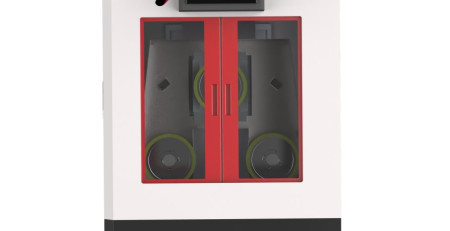
Segatrice a filo diamantato senza fine per carburo di silicio
Carburo di silicio (Sic), noto per la sua eccezionale durezza e durata, è ampiamente utilizzato in vari settori. Per tagliare efficacemente questo materiale super duro, Un utensile da taglio con prestazioni superiori è essenziale. Negli ultimi anni, il sega a filo diamantato senza fine has emerged as the optimal choice for precision cutting of silicon carbide. In questo post del blog, Esploreremo la durezza e le caratteristiche delle seghe a filo diamantato, Comprendere le proprietà del carburo di silicio, delve into the reasons behind using diamond wire saws for cutting silicon carbide, discuss the latest research in the field, and provide information on how to contact us for further inquiries.
- Silicon carbide sits close to diamond in hardness and is brittle, so both blade and laser cutting cause damage.
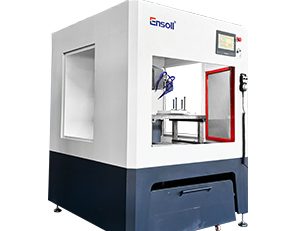
- An endless diamond wire saw cuts SiC cold — narrow kerf, no heat-affected zone.
- Tension stability matters more than cutting speed for surface quality on SiC.
Understanding the Hardness and Characteristics of Diamond Wire Saw
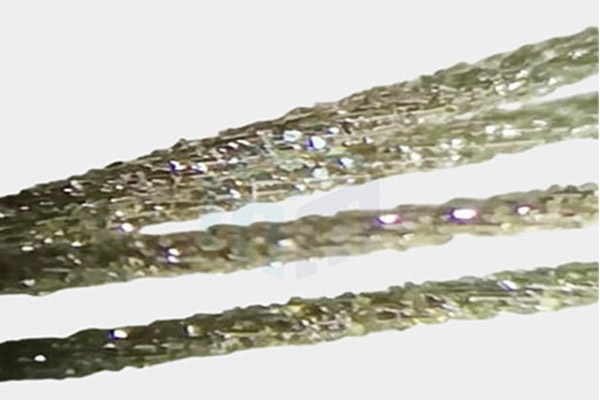
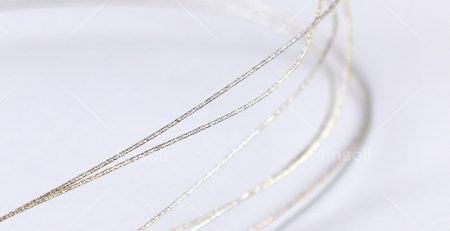
- The hardness of diamond wire saws is attributed to the diamond particles embedded within the wire. Diamonds are known for their exceptional hardness, ranking as the hardest naturally occurring material. When incorporated into a wire saw, diamonds provide a superior cutting edge that can effortlessly penetrate and grind through various materials.

Understanding the Hardness and Characteristics of Silicon Carbide
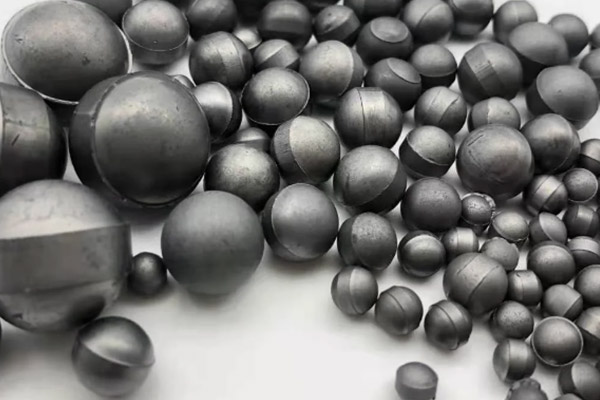

- Carburo di silicio (Sic) is a compound renowned for its exceptional hardness and unique set of characteristics, making it a highly sought-after material in various industries.
- One of the defining features of silicon carbide is its remarkable hardness. On the Mohs scale, which measures the relative hardness of minerals, silicon carbide ranks among the hardest materials, surpassed only by diamonds. This exceptional hardness stems from the strong covalent bonds formed between silicon and carbon atoms in its crystal lattice structure.
- In addition to its hardness, silicon carbide exhibits excellent thermal conductivity, even at high temperatures. This thermal conductivity makes it an excellent choice for applications involving heat dissipation, such as heat sinks and thermal management systems. Silicon carbide’s ability to efficiently transfer heat allows for improved performance and reliability in high-temperature environments.
- The unique combination of hardness, conducibilità termica, chemical inertness, and wide bandgap makes silicon carbide an invaluable material in various cutting-edge applications. Its utilization spans across industries such as automotive, elettronica, energia, and aerospace, where superior performance and reliability are paramount.
Challenges in cutting silicon carbide
1. Extreme Hardness and Brittleness:
With a Mohs hardness of approximately 9.5, second only to diamond and boron nitride, SiC is an extremely hard and brittle material. Conventional cutting tools wear out rapidly, leading to poor cost-effectiveness. More critically, the brittleness makes it highly prone to micro-cracks, scheggiature del bordo, and subsurface damage during mechanical cutting. This damage layer can severely degrade the performance and reliability of the final semiconductor device.
2. Low Cutting Efficiency and High Tool Wear:
Using diamond tools (such as diamond wire or blades) is almost mandatory. Tuttavia, even diamond abrasives experience substantial wear when cutting SiC, leading to decreasing cutting rates over time, increased heat generation, and higher consumable costs. The process often requires multiple steps (roughing and finishing) to achieve the desired surface integrity, further reducing overall throughput.
3. Demands for Ultra-High Precision and Surface Quality:
Semiconductor wafers require exceptional geometric accuracy (nanometer-level flatness and thickness uniformity) and a damage-free, ultra-smooth surface. Any micro-cracks or subsurface stress introduced during cutting must be minimized, as they can propagate during subsequent grinding and polishing steps, causing wafer breakage or defective devices. Achieving this while maintaining high yield is a major hurdle.
4. Thermal Management and Stress Control:
The cutting process generates significant localized heat. SiC’s high thermal conductivity helps, but if not managed properly, thermal stress can exacerbate cracking or alter material properties. Effective cooling (often using specialized coolants) and precise control of cutting parameters are crucial to prevent thermal damage.
5. High Cost of Processing:
The combination of expensive diamond tools, slow cutting speeds, the need for sophisticated equipment (like multi-wire saws or laser-assisted systems), and strict cleanroom environments contributes to very high manufacturing costs for SiC wafers. This remains a key factor limiting its broader adoption.
Why Use Diamond Wire Saw for Cutting Silicon Carbide
When it comes to Taglio in carburo di silicio, the utilization of diamond wire saws offers numerous advantages and benefits. Let’s explore the reasons why diamond wire saws are the preferred choice for cutting this challenging material:
- Superior Hardness and Abrasive Properties: Diamond wire saws incorporate industrial-grade diamonds, which are renowned for their exceptional hardness and abrasive properties. The hardness of diamonds allows them to effectively grind through the hard silicon carbide material, ensuring efficient cutting with minimal tool wear.
- Precise and Thin Kerf Width: Diamond wire saws produce cuts with a remarkably thin kerf width. The thin kerf minimizes material wastage, optimizing the utilization of silicon carbide and reducing costs in the production process. This precision is particularly crucial in industries where maximizing material yield is essential.
- Riduzione della perdita di materiale: The continuous looped design of the diamond wire saw ensures a smooth cutting motion, minimizing material loss during the cutting process. This feature is advantageous when working with expensive or limited quantities of silicon carbide, as it enables efficient use of the material.
- Enhanced Surface Finish: Diamond wire saws provide excellent surface finish quality on the cut surfaces of silicon carbide. The precise cutting action and the fine grit of the diamond particles result in smooth and clean cut surfaces, reducing the need for additional post-cutting processing steps.
- Durata Estesa dello Strumento: The exceptional hardness and durability of diamond wire saws contribute to their extended tool life. These cutting tools can withstand the demands of cutting hard materials like silicon carbide for prolonged periods, reducing the frequency of tool replacements and associated costs.
- Versatility for Various Shapes and Sizes: Diamond wire saws offer versatility in terms of cutting various shapes and sizes of silicon carbide material. Whether it’s large blocks, thin wafers, or intricate shapes, diamond wire saws can be customized to meet specific cutting requirements, providing flexibility in manufacturing processes.
- Efficient and Productive Cutting Process: Diamond wire saws enable high-speed cutting processes, resulting in increased productivity. The continuous cutting motion and the ability to adjust cutting parameters, such as wire tension and speed, allow for efficient and optimized cutting operations.
Vetrina video:
Latest Research in the Field of Silicon Carbide Cutting:
Ensoll Introducing the world’s first and only Diamond Spool Wire with exclusive coating technology!
- Experience a significant boost in wire longevity with our revolutionary solution, surpassing the capabilities of normal spool wire. Our innovative technology extends the lifespan of the wire by at least 2-3 times, providing you with enhanced cutting performance and reducing the frequency of wire changes.
- Leave behind the inconvenience of frequent wire changes and embrace a groundbreaking era of cutting performance in the realm of super hard material cutting. Our cutting-edge solution delivers revolutionary capabilities, providing unparalleled precision and efficiency for even the most challenging cutting tasks.
- Introducing Ensoll Spool Diamond Wire, a true game-changer meticulously crafted to conquer the most demanding cutting jobs with unrivaled precision and efficiency. This wire is engineered with unparalleled durability and cutting-edge technology, poised to redefine the benchmarks of long-line cutting operations.
Conclusione:
Il filo diamantato senza fine saw has emerged as the ultimate cutting tool for silicon carbide, thanks to its exceptional hardness, durabilità, and precision. Its ability to effectively cut through this challenging material has revolutionized various industries. As research in this field continues, we remain committed to staying at the forefront of cutting-edge technology and providing cutting solutions that empower businesses worldwide.Contact us now.
Domande Frequenti
What is the best tool for cutting silicon carbide?
An endless diamond wire saw. It removes material without a heat-affected zone and with a far narrower kerf than any blade.
Why is silicon carbide hard to cut?
Mohs hardness around 9.2-9.5 combined with brittleness: mechanical force causes chipping while laser heat causes micro-cracking.
Does laser cutting damage SiC?
Sì. Laser ablation leaves a heat-affected zone and a recast layer that must be ground away, adding both cost and yield loss.
What surface finish can diamond wire achieve on SiC?
With fine wire and stable tension, sub-micron Ra is achievable — often reducing or eliminating the lapping step.
Contenuto tecnico esaminato dal team di ingegneria Ensoll — un produttore di anelli diamantati con 10+ anni di esperienza produttiva.