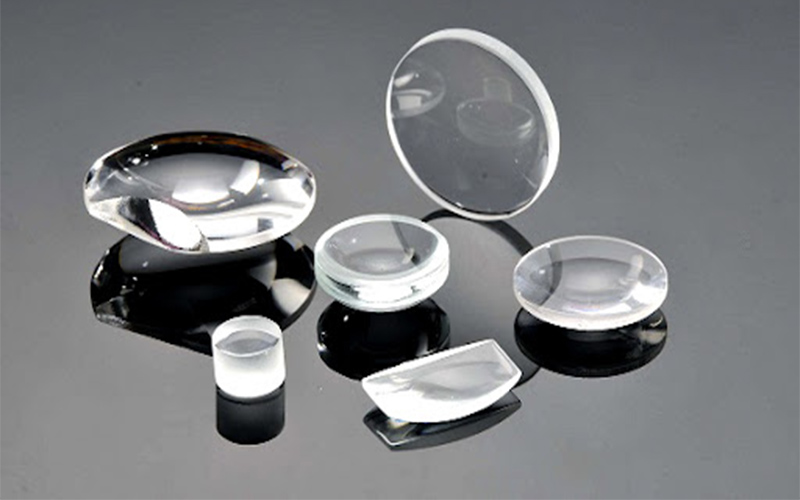
Optical glass is manufactured from a precise composition of silicates and metal oxides for high transparency and minimal light dispersion, with high refractive index, low thermal expansion and excellent stability.
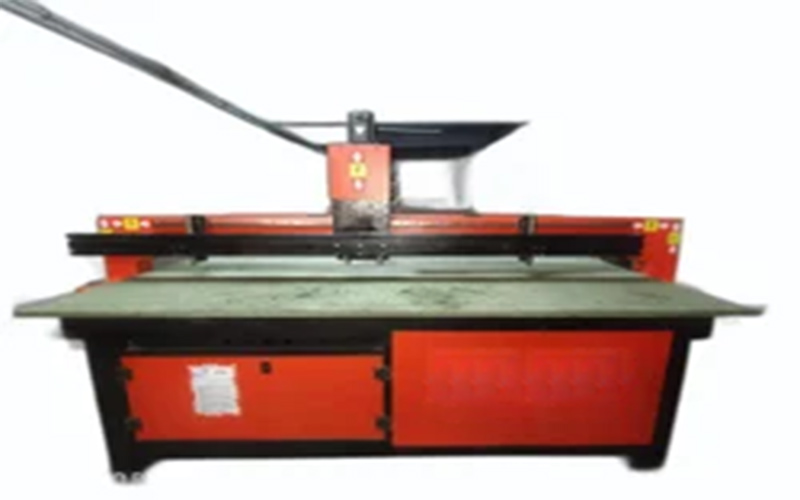
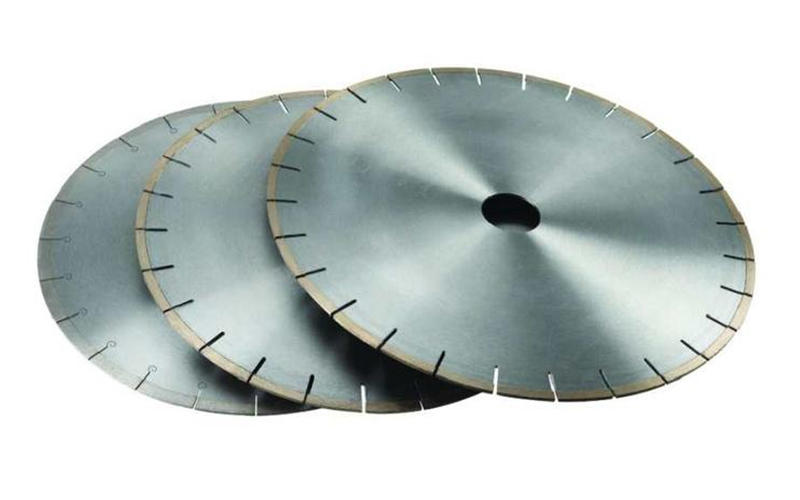
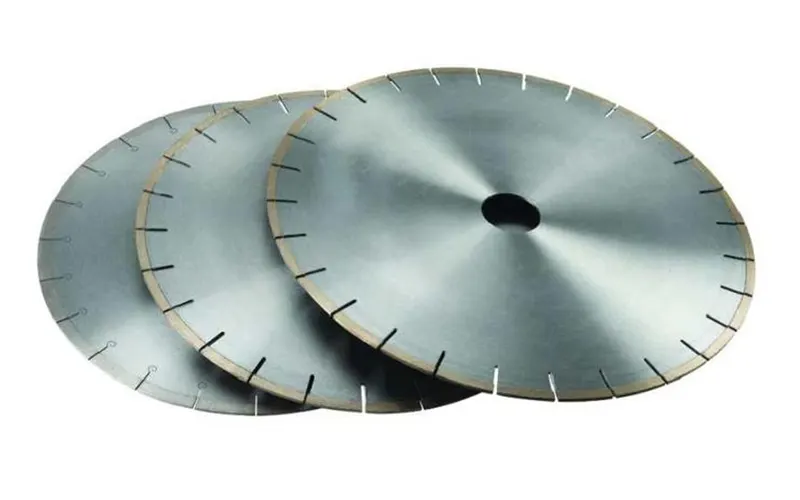
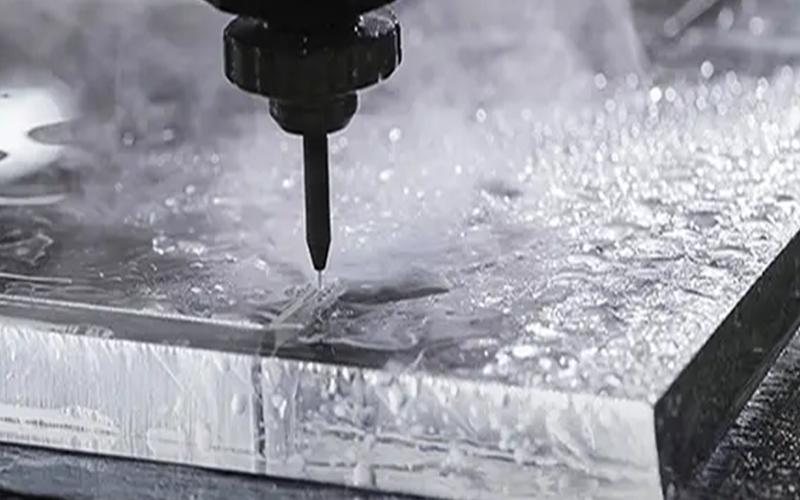
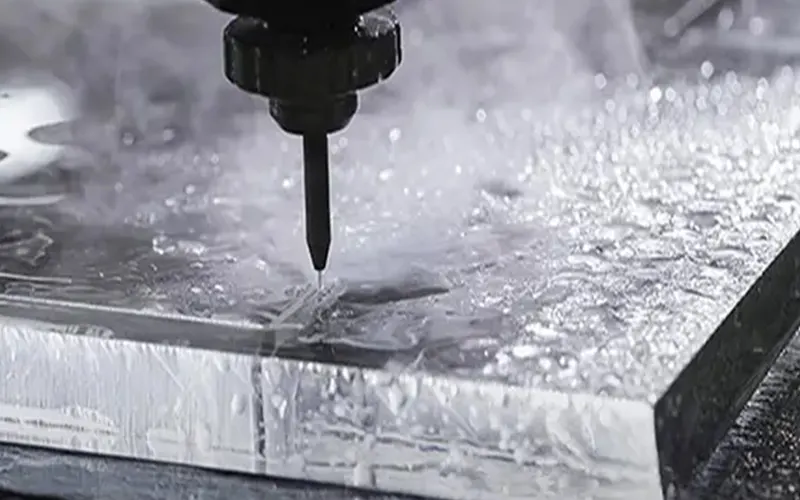
Four main raw-material cutting methods: mechanical cutting, diamond blade cutting, diamond wire saw cutting and water jet cutting — each with distinct trade-offs.
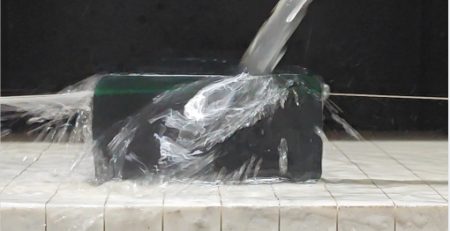
Mechanical cutting is efficient for large-scale production but leaves rough edges; diamond blades give precise clean cuts but are expensive and wear out; wire sawing minimizes material loss with smooth surfaces but is slower; water jet avoids thermal damage but leaves slightly rougher edges.
Choosing a method depends on material properties, precision requirements, surface quality targets, production scale and cost.
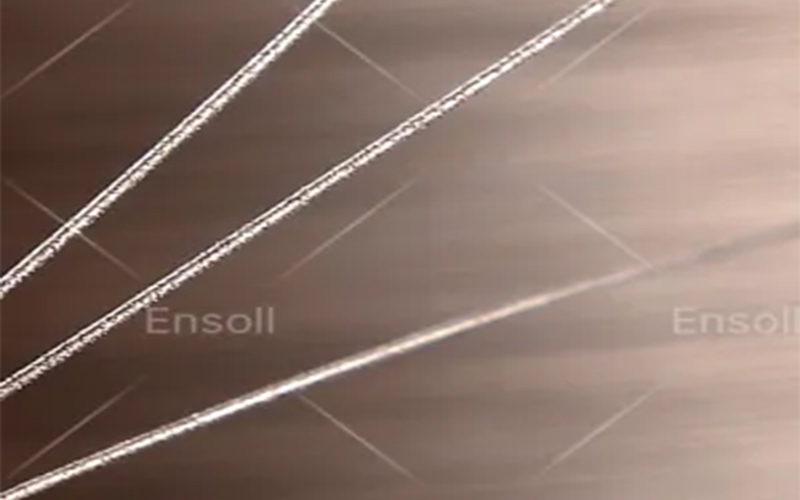
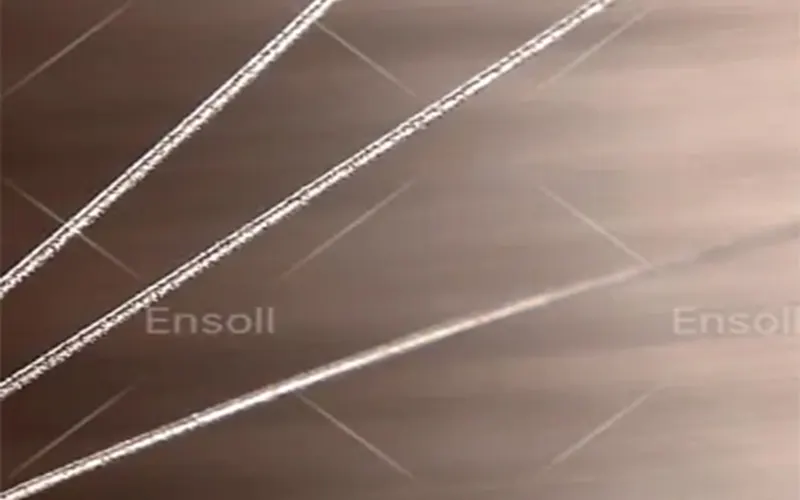
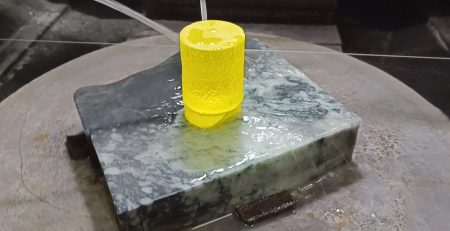
Diamond wire saw cutting is ideal for slicing large blocks or ingots into thinner slices with high precision and minimal kerf loss.
Based on the aforementioned understanding of光学ガラス切断, 切断技術についてさらに質問がある場合, お気軽にお問い合わせください. 当社には独自の研究開発チームがあり、業界の大手メーカーです. お客様の切断ニーズに合わせたODMサービスを提供できます. 皆様からのご連絡をお待ちしており、全面的なサポートを提供する準備ができています. For the full parameter set behind this overview, see our dedicated guide to光学ガラス切断.
よくある質問
光学ガラスとは?
Optical glass is a glass specifically designed for optics, manufactured from a precise composition of silicates and metal oxides to ensure high transparency and minimal light dispersion. Its high refractive index, low thermal expansion and chemical and mechanical stability make it essential for lenses, プリズム, photography, 顕微鏡, telescopes and laser technology.
What are the main methods for cutting optical glass?
Four main methods: mechanical cutting with saws or cutters, which is efficient for large-scale production; diamond blade cutting, which gives precise and clean cuts; ダイヤモンドワイヤーソーカッティング, which slices large blocks with minimal material loss and smooth surfaces; and water jet cutting, which avoids thermal damage and handles various shapes and thicknesses.
How do I choose the right optical glass cutting method?
Weigh five factors: the material’s hardness, brittleness and thermal sensitivity; the precision level required; the desired surface finish of the cut edges; the production scale and throughput; and the total cost including equipment, maintenance and consumables.
What are the pros and cons of diamond wire saw cutting for optical glass?
大きなブロックやインゴットを高精度で薄くスライスするのに最適です, minimal material loss and smooth surfaces. The trade-offs are that it can be slower than other methods and requires careful process control to prevent wire breakage.
要約: This application report documents a precision straight-slicing test on PMI
(polymethacrylimide) structural foam supplied by a European customer. Four slices... 続きを読む
Key Takeaways
Precision cutting is paramount in semiconductor manufacturing because slicing damage propagates into every downstream process.
異なる半導体材料は異なる...が必要です。. 続きを読む
Key Takeaways
Optical glass is engineered for lenses, prisms and filters with precisely controlled refractive index, dispersion and low impurity levels... 続きを読む