Ферритовые (керамический) магниты представляют собой спечённый оксид железа с карбонатом стронция или бария: дешёвые, коррозионностойкие и стабильные до 250 °C, но твёрдые и хрупкие — поэтому метод резки напрямую определяет выход годной продукции.
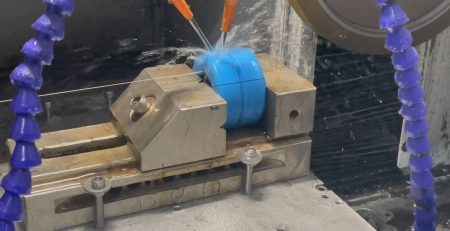
Шлифовка оставляет 50-100 микрометровые микротрещины и проходит медленно; лазер создаёт термически изменённую зону, которая изменяет магнитные свойства; водяная резка оставляет кромки с Ra >3 микрометров, требующие полировки.
Резка алмазным проволочным полотном — лучший вариант: a 0.1-0.3 мм проволока с алмазным покрытием даёт кромки без образования стружки (Ra <0.5 микрометры), нет термического повреждения, допуски ±0,02 мм и ширина реза менее 0.2 миллиметр.
About 80% японские производители ферритов уже используют алмазные проволочные пилы, сокращая производственные расходы на резку примерно на 30% по сравнению с шлифовкой при массовом производстве.
1. Что такое ферритовые магниты?
Ферритовые магниты, также известные как керамические магниты, это тип постоянного магнита, состоящий преимущественно из оксида железа (Fe₂O₃) в сочетании с карбонатом стронция или бария. Они спрессовываются при высоких температурах для образования твердого, хрупкого керамического материала со средней магнитной силой (0.2–0,4 Тесла).
Ключевые свойства
– Экономичные: Дешевле, чем редкоземельные магниты (NdFeB/SmCo)
– Высокое сопротивление: Низкая электропроводность снижает потери на вихревые токи
– Термостабильность: Сохраняет характеристики до 250°C
– Коррозионная стойкость: Не требует покрытия, как NdFeB
Приложений
– Электроника: Динамики, Датчики, и микроволновые устройства
Из-за своей хрупкости, ферритовые магниты требуют специализированных методов резки, чтобы избежать сколов и трещин.
2.Как обрабатываются ферритовые магниты?
Ферритовые магниты изготавливаются методом спекания, с образованием блоков или дисков, которые необходимо разрезать на точные формы. Распространенные методы обработки включают:
– Использует диски с алмазным проволочным контуром на связующей смоле
– Подходит для простых форм (блоки, диски)
– Ограничения:
– Образует микротрещины (глубина: 50–100 мкм)
– Медленная обработка (5–10 мм/мин)
– Высокий износ инструмента (требуется правка диска)
B. Лазерная резка
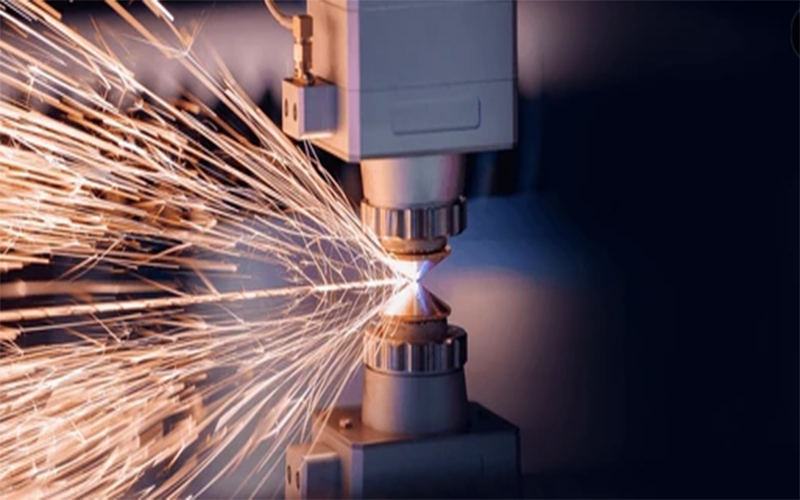
– CO₂ или волоконные лазеры испаряют материал
– Преимущества: Нет механического воздействия, подходит для тонких листов (<3миллиметр)
– Недостатки:
– Зона термического воздействия (ХАЗ) изменяет магнитные свойства
– Ограничена прямыми резами (сложные формы трудно обрабатывать)
C. Гидроабразивная резка
– Высоконапорная абразивная вода (Гранат/SiC)
– Плюсы: Нет теплового повреждения, универсален для толстых материалов
– Минусы:
– Грубые края (Ra >3мкм) требуется вторичная полировка
– Высокие эксплуатационные расходы (потребление абразива)
Резка алмазной канатной пилой (Лучшее решение)
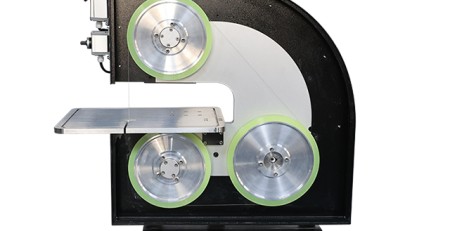
Тем станок для резки алмазной проволоки использует тонкую, проволоку с алмазным покрытием (Ø0.1–0.3 мм) для нарезки феррита с минимальной потерей пропила.
Почему это лучше
✔ Резка без повреждений – без сколов на краях (Ra <0.5мкм)
✔ Cold Process – No thermal stress or HAZ
✔ High Precision – Tolerances ±0.02mm
✔ Material Savings – Kerf width <0.2миллиметр (против. 1mm with grinding)
How It Works
Wire Motion: Continuous loop at 10–60m/min
Охлаждающая жидкость: Prevents overheating (обеззоленная вода + additives)
CNC Control – Cuts complex shapes (дуги, пазы, trapezoids)
Industry Adoption:
– 80% of Japanese ferrite manufacturers use diamond wire saws
– 30% lower production cost vs. grinding for high-volume runs
3. Choosing the Right Diamond Wire Saw Machine
For optimal ferrite cutting, consider:
Технические характеристики машины
– Скорость проволоки: Adjustable (10–80m/min for different thicknesses)
– Tension Control: Auto-adjustment (±1N) for consistent cuts
– Sensor Components: Precision slots for Hall-effect devices
– Custom Shapes: Trapezoidal/arc cuts for motors
Заключение
Ferrite magnets demand precision cutting to maintain performance. While grinding and laser methods have limitations, diamond wire saw cutting machines deliver the best balance of accuracy, surface quality, and cost efficiency.
For manufacturers seeking zero-defect ferrite components, upgrading to diamond wire technology reduces waste by 20% and boosts productivity by 3×.
Need a cutting solution? [Свяжитесь с нами] for a free sample test with your ferrite material! Compared withкак резать неодимовые магниты, Феррит позволяет увеличить подачу, но скалывание на кромке выхода по-прежнему является дефектом, которого нужно опасаться.
Часто задаваемые вопросы
Как лучше всего резать ферритовые магниты?
Резка алмазной канатной пилой. Тонкая проволока с алмазным покрытием (0.1-0.3 миллиметр) шлифует хрупкую керамику с очень малой силой, обеспечивая кромки без сколов с шероховатостью Ra ниже 0.5 микрометров и допусками около ±0,02 мм — без микротрещин шлифования и теплового повреждения лазерной резки.
Почему ферритовые магниты скалываются при резке?
Феррит — это спеченная керамика с очень низкой прочностью на разрыв. Жесткие лезвия и шлифовальные круги концентрируют механическое напряжение на кромке реза, и материал ломается при выходе инструмента. Микрошлифование абразивом с малой силой с использованием алмазной проволоки в значительной степени устраняет этот вид повреждений.
Можно ли резать ферритовые магниты лазером?
Только тонкие листы (примерно до 3 миллиметр) и только для прямых резов. Зона, подверженная воздействию тепла лазера, изменяет магнитные свойства рядом с разрезом, поэтому для производственных деталей предпочтителен холодный процесс, такой как резка алмазной проволокой.
Влияет ли резка на магнитные характеристики феррита?
Да, если процесс добавляет тепло или напряжение. Лазер и горячая шлифовка могут изменять свойства возле разреза; резка алмазной проволокой является холодным, контролируемым охлаждающей жидкостью процессом, поэтому феррит сохраняет свои номинальные характеристики без зоны, подверженной воздействию тепла.
Основные выводы
Проволочная ЭДМ режет электрически проводящие материалы с использованием искровой эрозии, поэтому твердость материала не имеет значения - даже закалённая инструментальная сталь... читать далее
Основные выводы
Производителям фотоэлементов нужно больше пластин на слиток при все более низкой стоимости — именно это обеспечивает резка алмазной проволочной петлей.
Узкий... читать далее
Основные выводы
NdFeB (неодим-железо-бор) является самым сильным коммерческим редкоземельным магнитом, используется в электронике, автомобильный, медицине и возобновляемой энергии —... читать далее
Основные выводы
Алмаз является одним из самых твёрдых материалов в природе, что придает алмазной петлевой проволочной пиле выдающуюся износостойкость и.... читать далее
Введение в передовые решения для резки стекла
В современном требовательном производственном ландшафте оптических изделий, Алмазная канатная пила стала золотым стандартом... читать далее
Алмазная кольцевая резка проволоки обладает рядом существенных преимуществ в области обработки магнитных материалов, Что делает его идеальной резкой.. читать далее
Ценные породы дерева, такие как палисандр и хуанхуали, высоко ценятся из-за своей редкости, Уникальная текстура, и цвет. Чтобы максимизировать ... читать далее
Глобальная картина производства в 2026 определяется парадоксом: материалы становятся одновременно более прочными, более легкими, и более.... читать далее