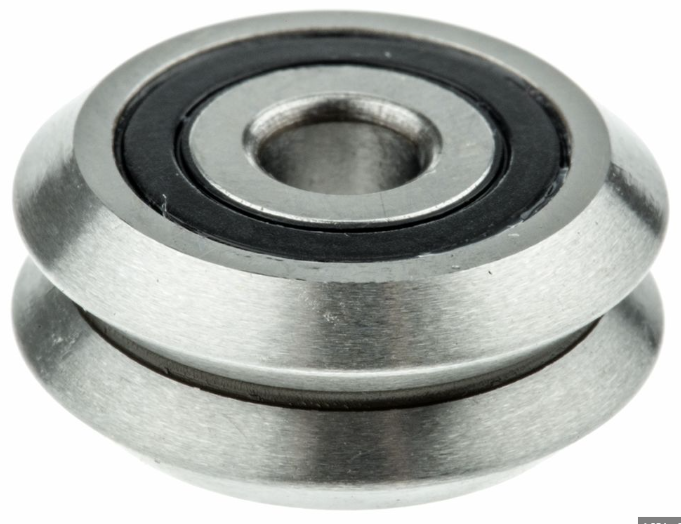
Steel guide wheels deliver maximum rigidity and dimensional stability for high-precision diamond wire cutting, but transmit more vibration to the wire.
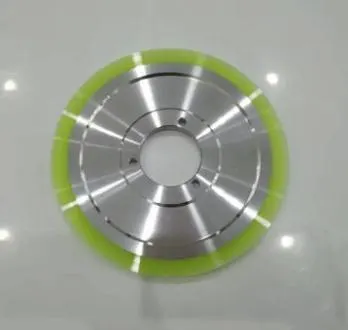
Polyurethane-coated guide wheels absorb vibration, run quieter and protect the diamond wire from metal-to-metal contact, extending wire life.
The choice between steel and polyurethane wheels directly affects cutting precision, wire consumption and machine maintenance intervals.
For hard, brittle materials where surface quality is critical, polyurethane wheels usually give the better balance of precision and wire economy.
What is the difference between steel and polyurethane guide wheels for wire saws?
Steel guide wheels are fully metallic and offer maximum rigidity and wear resistance. Polyurethane guide wheels have a steel core with a polyurethane coating that absorbs vibration and cushions the diamond wire, reducing wire fatigue and noise.
Which guide wheel type gives better cutting precision?
Both can achieve high precision, but in different ways. Steel wheels hold alignment extremely well under load, while polyurethane wheels reduce vibration-induced marks on the cut surface. For brittle materials where surface finish matters, polyurethane often performs better.
Do polyurethane guide wheels wear out faster than steel?
是的, the polyurethane layer is a consumable and will eventually need re-coating or replacement, especially under high wire tension. 然而, it protects the more expensive diamond wire, so total consumable cost is often lower.
How do I choose between steel and polyurethane guide wheels?
Consider your material, required surface finish and wire budget. For heavy-duty cutting where alignment is paramount, choose steel. For precision cutting of brittle materials with tight surface requirements, polyurethane is usually the better choice.