Aluminiumoxid ist hart, verschleißfest und spröde; Abplatzungen am Ein- und Austritt des Schnitts sind der Hauptfehler, der kontrolliert werden muss.
Diamantdrahtschneiden verwendet verteiltes Schleifen statt konzentrierter Scherung, was die Kanten intakt hält.
Grün (unsintert) Nicht gesinterte Körper und vollständig gesintertes Aluminiumoxid benötigen unterschiedliche Drahtkörnungen und Vorschubgeschwindigkeiten.
Einleitung
Tonerde (Al₂O₃), oder Aluminiumoxid, ist aufgrund ihrer außergewöhnlichen Härte eine der am weitesten verbreiteten Hochleistungskeramiken, Thermische Stabilität, und elektrische Isolationseigenschaften. Aber, Seine extreme mechanische Festigkeit und Sprödigkeit erschweren die Bearbeitung mit herkömmlichen Schneidverfahren. Diamantdrahtsägen-Schneidemaschinen haben sich als die bevorzugte Lösung für hochpräzise, beschädigungsarmes Schneiden von Aluminiumoxid-Bauteilen in verschiedenen Branchen.
In diesem Artikel werden die Prinzipien, Vorteile, und Anwendungen des Schneidens von Diamantdrahtsägen für Aluminiumoxid, zusammen mit wichtigen Überlegungen zur Optimierung des Prozesses.
Herausforderungen beim Schneiden von Aluminiumoxid
Bevor die Diamantdrahtsäge-Technologie besprochen wird, ist es wichtig zu verstehen, warum Aluminiumoxid schwer zu bearbeiten ist:
-Extreme Härte (9 auf der Mohs-Skala)**: Nur diamantbasierte Werkzeuge können es effektiv schneiden, ohne übermäßigen Verschleiß zu verursachen.
– Sprödigkeit**: Neigt zu Abplatzungen und Mikrorissen, wenn ungeeignete Schneidkräfte angewendet werden.
– Thermische Empfindlichkeit**: Hochgeschwindigkeits-Abrasivmethoden können thermische Spannungen verursachen, die zu Brüchen führen.
Traditionelle Bearbeitungstechniken, wie Schleifen, Laserschneiden, oder Ultraschallbearbeitung, führen oft zu:
Wie das Schneiden mit der Diamantdrahtsäge funktioniert
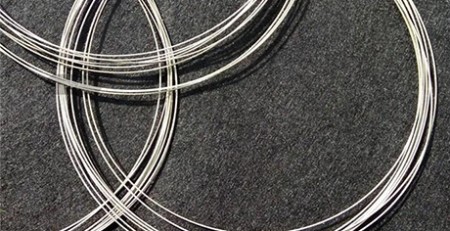
Eine Diamantdrahtsägemaschine verwendet einen hochfesten Stahldraht, der mit synthetischen Diamantpartikeln eingebettet ist, läuft in einem kontinuierlichen Kreislauf bei kontrollierten Geschwindigkeiten. Die wichtigsten Komponenten und Prozessschritte umfassen:
1. Diamantdrahtzusammensetzung
– Kernmaterial: Hochkohlenstoffstahldrahtdraht für Festigkeit und Flexibilität.
– Diamantgrit: Synthetische Diamantpartikel (30–100 μm) durch Galvanisierung oder Harzbindung mit dem Draht verbunden.
– Drahtdurchmesser: Typischerweise 0,1–0,5 mm, je nach erforderlicher Präzision.
2. Schneidemechanismus
– Der Draht bewegt sich mit Geschwindigkeiten von 10–60 m/s, mit kontrollierter Spannung, um eine Durchbiegung zu verhindern.
– Die Diamantpartikel wirken wie Mikroschneidwerkzeuge, und erodieren allmählich die Aluminiumoxid.
– Ein Kühlmittel (wasser- oder ölbasiert) wird aufgebracht:
– Reibung reduziert & Wärmeerzeugung
– Schmutz wegspülen
– Lebensdauer des Drahts verlängern
3. Zuführrate & Schnitt-Parameter
– Optimierte Zuleitungsrate (0.1–5 mm/min) sorgt für effiziente Materialentfernung ohne Drahtbruch.
– Niedrigere Geschwindigkeiten für dickere Aluminiumoxidblöcke zur Minimierung von Abplatzungen.
– Höhere Geschwindigkeiten für dünne Wafer zur Steigerung der Produktivität
Schneideanzeige:
Vorteile des Diamantdrahtsägens für Aluminiumoxid
Im Vergleich zu traditionellen Methoden, bietet das Diamantdrahtsägen:
✔ Ultrapräsise Schnitte – Schnittfugen so schmal wie **0.2 mm**, minimiert Materialabfall.
✔ Überlegene Oberflächenqualität – Ra (Raue Oberflächen) Werte unter **0.5 µm**, reduziert Nachbearbeitung.
✔ Fähigkeit, komplexe Formen zu schneiden – Geeignet für gebogene, gewinkelte, oder dünnwandige Schnitte.
✔ Längere Werkzeuglebensdauer – Diamantdraht hält deutlich länger als Schleifscheiben.
Anwendungen in der Industrie
Diamantdrahtgeschnittenes Aluminiumoxid wird verwendet in:
1.Elektronik & Halbleitern
– Aluminiumoxidsubstrate für IC-Gehäuse
– Isolierende Komponenten in der Hochleistungs-Elektronik
2.Optik & Lasertechnologie
– Laserröhren & Reflektoren, die hohe thermische Stabilität erfordern
– Transparente Aluminiumoxidfenster für spezialisierte Optik
3.Industriekeramik
– Verschleißfeste Auskleidungen für Maschinen
– Hochtemperatur-Ofenkomponenten
4.Medizin & Luft- und Raumfahrt
– Biokompatible Aluminiumoxidimplantate
– Leichte Strukturkomponenten
Wichtige Überlegungen für optimales Schneiden
Zur Maximierung von Effizienz und Schnittqualität:
Drahtauswahl – Wählen Sie Diamantkorngröße und Bindungsstärke basierend auf der Härte von Aluminiumoxid.
Kühlmittelmanagement – Richtige Filtration verhindert Verstopfung und verlängert die Lebensdauer des Drahtes.
Spannungskontrolle – Verhindert Drahtbruch und gewährleistet gerade Schnitte.
Vorschubgeschwindigkeitsoptimierung – Balanciert Schnittgeschwindigkeit und Oberflächenqualität
Schlussfolgerung
Die Diamantdrahtsägemaschine ist ein Meilenstein für die Bearbeitung von Aluminiumoxid, bietet unerreichte Präzision, minimaler Materialverlust, und überlegene Oberflächenqualität. Da die Industrie engere Toleranzen und komplexere Werte verlangt Keramik Komponenten, wird diese Technologie für die fortschrittliche Materialverarbeitung unverzichtbar bleiben.
Für Hersteller und Forscher, die mit Aluminiumoxid arbeiten, kann die Investition in ein hochwertiges Diamantdrahtsägesystem den Ertrag deutlich steigern, Abfall reduzieren, und die Produktleistung steigern.
Häufig gestellte Fragen
Wie schneidet man Aluminiumkeramik, ohne sie abzuschlagen??
Verwenden Sie eine Diamantdrahtsäge mit feiner Korn, eine kontrollierte Zuführrate und volle Kühlmittelabdeckung. Die verteilte Schleifwirkung vermeidet die konzentrierte Spannung, die Absplitter verursacht.
Kann Alumina nach dem Sinternn geschnitten werden?
Ja, obwohl es viel härter und langsamer ist. Die meisten Werkstätten haben grobe grüne Körper und beenden erst nach dem Sinternn.
Was verursacht Kantenabplatzungen beim Aluminiumschneiden?
konzentrierte mechanische Last am Ein- und Ausgang des Schnitts, verschärft durch Vibrationen durch instabile Drahtspannung.
Ist Diamantdraht besser als eine Diamanttrennscheibe für Aluminiumoxid?
Für Präzision und dünne Abschnitte, ja: enger Schnittspalt, weniger Ausbrüche, und kein Klingenwandern.
Technische Inhalte geprüft vom Ensoll-Engineering-Team – einem Hersteller von Diamantdraht-Schleifen 10+ Jahre der Produktionserfahrung.
In der Welt des Reifenrecyclings, Runderneuerung, und der Entsorgung, ist eine der größten Herausforderungen das saubere und effiziente Schneiden von.... mehr lesen
Monokristallines Silizium ist die Grundlage der modernen Halbleiter- und Photovoltaikindustrie. Umwandlung von Siliziumbarren in funktionale Wafer, Präzisionsschneiden... mehr lesen
Im wettbewerbsorientierten Golf, Die Präzision der Ausrüstung wirkt sich direkt auf die Leistung aus. Während sich Golfer auf Schwungtechnik und Schlägerwahl konzentrieren, ein Durchbruch in der Fertigung... mehr lesen
Wichtige Erkenntnisse
Optisches Glas ist spröde und empfindlich gegenüber thermischem Schock; Risse beginnen normalerweise an der Austrittskante des Schnitts.
Diamant... mehr lesen
Wichtige Erkenntnisse
Eine Diamantdraht-Schleifsäge schneidet mit einem kontinuierlichen, diamantbeschichteten Draht, der über gespannte Rollen läuft – die Diamanten wirken... mehr lesen
Key Takeaways
Semiconductor manufacturing starts with wafer fabrication, wobei das Schneiden von Diamantdraht sowohl den Ersprich als auch die Oberflächenqualität definiert.
Photoresistbeschichtung, Lithografie, Ätzen.... mehr lesen
Eine umfassende Studie über präzises Schneiden von φ330 mm Siliziumstäben mit der Ensoll ESC600-4T Diamantdraht-Schneidemaschine. Behandelt... mehr lesen