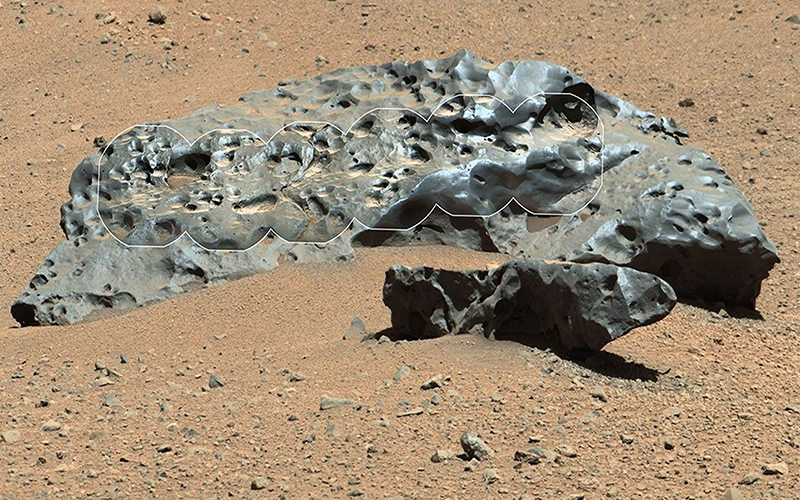
I meteoriti sono tra i materiali più preziosi sulla Terra—non solo in termini di valore monetario, ma per i segreti scientifici che contengono. Queste rocce extraterrestri portano indizi sulla formazione del nostro sistema solare, la composizione degli asteroidi lontani, e persino le origini della vita stessa. Tuttavia, Lavorare con meteoriti presenta una sfida unica: sono rare, scientificamente preziose, e spesso strutturalmente complesse. Tagliarle correttamente richiede uno strumento che bilanci precisione, Minima perdita di materiale, e integrità del campione.
Ultima revisione: Settembre 2026
Il anello di filo diamantato—also known as an endlessSega a filo diamantato—has emerged as the preferred cutting solution for meteorite preparation. This article explores why this technology is ideal for cutting meteorites, which types benefit most, and how it compares to traditional methods.
Meteorite is unpredictable, but the low-force approach is the same one described inhow to cut jade.
What is a Diamond Wire Loop?
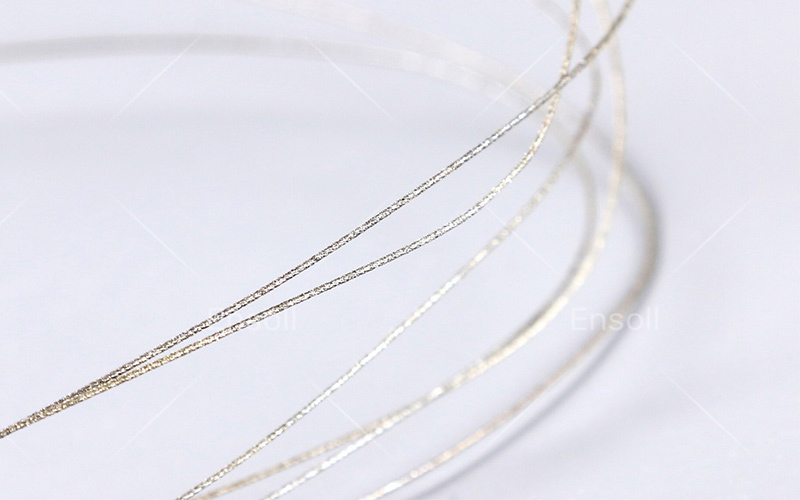
Un filo a diamante è un filo d'acciaio continuo, endless wire coated with diamond particles. Unlike traditional wire saws that use a long wire spooling back and forth, the loop design allows for continuous one-direction cutting, which improves efficiency and surface quality. The wire diameter can be as fine as 0.25mm to 0.6mm, enabling extremely narrow kerfs (cut widths) e minima perdita di materiale.
These diamond-coated loops are mounted on specialized cutting machines that control wire tension, velocità, e velocità di avanzamento. The cutting action is a grinding process—diamond particles abrade the material rather than shearing or tearing it—which is critical for brittle or heterogeneous samples.
Meteorites are not homogeneous. They fall into three main categories, each with distinct physical properties:
Meteorite Type
Composizione
Sfida di taglio
Iron Meteorites
Iron-nickel alloy (duro, metallic)
Elevata durezza; heat generation can alter metallurgical structure
Stony-Iron Meteorites
Silicate minerals + metal matrix (ad es., Pallasites)
Brittle silicates bonded to ductile metal—risk of interface cracking
Stony Meteorites (Chondrites, Achondrites)
Silicate minerals, some with chondrules
Porous, friable, prone to crumbling or fracturing
Traditional cutting methods—such as abrasive saws, seghe a nastro, or even laser cutters—often introduce heat-affected zones, microfractures, o contaminazioni. For iron meteorites, excessive heat can alter the Widmanstätten pattern, a crystalline structure valuable for classification. For carbonaceous chondrites (which contain organic compounds and pre-solar grains), heat or fluid contamination can destroy irreplaceable scientific information.
Advantages of Diamond Wire Loop for Meteorite Cutting
1. Minima perdita di materiale (Narrow Kerf)
Meteorites are irreplaceable. Every gram lost during cutting is a permanent loss to science. Diamond wire loops produce a kerf as narrow as 0.3–0.6mm, significantly less than traditional saw blades (which can remove 1.5–3mm of material). For a rare lunar meteorite or Martian sample, this difference preserves substantial volume for analysis.
2. Processo di Taglio a Freddo (No Heat-Affected Zone)
The diamond grinding action generates minimal heat compared to friction-based cutting. Because the wire is continuously moving and only a small contact area engages the sample, heat dissipates quickly. This cold cutting property preserves:
– Metallurgical structures in iron meteorites (ad es., Widmanstätten patterns)
– Organic compounds in carbonaceous chondrites
– Delicate mineral interfaces in stony-iron meteorites
3. Low Vibration and Mechanical Stress
Meteorites—especially chondrites and achondrites—can be friable (easily crumbled). The steady, smooth motion of a diamond wire loop transmits far less vibration than a reciprocating saw or abrasive wheel. This reduces the risk of:
– Fracturing along pre-existing cracks
– Dislodging chondrules or inclusions
– Creating unintended cleavage planes
4. Compatibility with All Meteorite Types
The diamond wire loop is exceptionally versatile. Whether cutting a dense iron meteorite, a brittle chondrite, or a heterogeneous pallasite, the same basic setup works with adjustments to speed and tension. Manufacturers specifically list “Meteoriti” as a core application alongside ceramics, silicio, vetro, and precious stones.
5. Clean Cutting Environment
Diamond wire loops can be used dry or with minimal coolant. This is critical for scientific samples where:
– Water or oil could leach soluble elements
– Cutting fluids could contaminate isotopic analyses
– Drying samples after wet cutting could introduce cracking
Some setups incorporate vacuum collection of cutting dust, which can itself be retained for analysis.
Which Meteorites Benefit Most from Diamond Wire Loop Cutting?
Whilel'anello di filo di diamanteworks well for all meteorite types, certain categories derive exceptional benefit:
Priority
Meteorite Type
Key Benefit
Highest
Carbonaceous Chondrites (ad es., Murchison, Allende)
Maximizes material preservation; avoids heat damage
Alta
Iron meteorites (for Widmanstätten display)
Cold cutting preserves etching response
Alta
Pallasites (olivine + metallo)
Prevents interface separation
Standard
Ordinary Chondrites
Reduces crumbling; clean surfaces
Practical Considerations for Laboratory Use
When implementing diamond wire loop cutting for meteorites, Diversi fattori dovrebbero essere considerati:
– Small diameter (0.25–0.45mm) : For precious small samples or thin sections
– Larger diameter (0.6millimetro) : For larger iron meteorites or faster cutting
Speed and Feed Rate
– Slower speeds for brittle, friable samples
– Higher tension for dense metallic meteorites
– Always start conservatively and adjust based on results
Sample Mounting
Secure the meteorite firmly to a vibration-free work surface. For irregularly shaped specimens, custom fixtures or embedding in a low-melting-point alloy may be appropriate.
Comparison: Diamond Wire Loop vs. Alternative Methods
Metodo
Larghezza della scanalatura
Heat Risk
Vibration
Material Loss
Migliore per
Anello di filo diamantato
0.3–0,6 mm
Minima
Bassa
Minima
All meteorites
Segatrice abrasiva (Tile Saw)
1.5–2,5 mm
Alta
Alta
Alta
Rough cutting only
Band Saw (with diamond blade)
1.0–1,5 mm
Moderato
Moderato
Moderato
Iron meteorites only
Taglio laser
0.2–0,5 mm
Very High
Nessuna
Minima
Not recommended (heat damage)
Real-World Applications
The value of diamond wire loop cutting is already recognized in both commercial and scientific settings:
– Museum specimen preparation: The Smithsonian Institution has used wire saw technology for cutting large iron meteorites like Mundrabilla (6.1 tonnes), though historical methods used steel wire with abrasive slurry—modern diamond loops are far more efficient.
– Research laboratories: Facilities preparing lunar samples (ad es., Chang’E-5 returned samples) employ diamond wire cutting to minimize sample loss and contamination.
– Collector and enthusiast use: Smaller diamond wire loops can be attached to hand-held drills or benchtop machines, making precision cutting accessible to serious collectors.
Conclusione
For anyone working with meteorites—whether in a world-class research laboratory, a university geology department, or a serious private collection—the diamond wire loop represents the gold standard for cutting precision. Its combination of minimal kerf, cold operation, low vibration, and material versatility directly addresses the core challenges of meteorite preparation: preserving scientific value while enabling access to internal structures.
As planetary science continues to advance, and as missions return increasingly precious samples from asteroids, Mars, and the Moon, the demand for gentle, precise cutting tools will only grow. The diamond wire loop is not merely a tool for today—it is an enabler of tomorrow’s discoveries, allowing us to unlock the secrets of the cosmos one clean cut at a time.
Che cosa filo diamantato ciclo?
L'anello del filo diamantato si riferisce a un utensile da taglio costituito da un filo a forma di anello incorporato con diamante.. leggi di più
Introduzione:
Filo diamantato è un innovativo utensile da taglio che ha rivoluzionato varie industrie con la sua precisione ed efficacia. In questo... leggi di più
Ensoll è un produttore leader di macchine di precisione con sega a filo diamantato in Cina, con il nostro R proprio&Squadra D. Le nostre macchine... leggi di più
Una sega a filo diamantato senza fine Ensoll ESO-GM ha affettato campioni di tubi metallici di un cliente europeo in 3 sezioni mm con TTV ≤... leggi di più
Nel mondo del riciclaggio, Ricostruzione, e dello smaltimento dei pneumatici, uno dei compiti più impegnativi è tagliare in modo pulito ed efficiente... leggi di più
Punti chiave
Il taglio di precisione è fondamentale nella produzione di semiconduttori perché i danni da taglio si propagano in tutti i processi successivi.
Materiali semiconduttori diversi richiedono materiali diversi... leggi di più
Key Takeaways
Traditional tire cutting methods - ciseaux idraulici, seghe a nastro, laser e strumenti manuali - tutti lottano con tagli irregolari,... leggi di più
Punti chiave
I materiali magnetici rientrano in tre famiglie: magneti permanenti (NdFeB, SmCo, AlNiCo, ferrite), magneti morbidi (acciaio al silicio, ferrite morbida, amorfo... leggi di più