I substrati in zaffiro sono componenti critici nella produzione di LED, dispositivi ottici, e applicazioni nei semiconduttori. Tuttavia, tagliare il rubino sintetico — un materiale con durezza Mohs di 9 — comporta sfide significative. I metodi tradizionali come il taglio a lama o al laser spesso portano a crepe, elevata perdita di materiale, e superfici irregolari.
Punti Chiave
Zaffiro (Mohs 9) is both extremely hard and brittle: blade sawing and laser cutting often cause cracks, uneven surfaces, and up to 30% perdita di materiale.
A diamond wire loop can be as thin as 0.1 mm versus a 0.3 mm or wider blade kerf, so more wafers are recovered from every crystal ingot.
The low-force wire cut generates far less mechanical stress, preventing subsurface micro-cracks and leaving a smoother surface that needs less polishing.
Modern machines cut sapphire at 0.5-2 mm/min, and multi-wire systems can slice hundreds of wafers simultaneously.
Main beneficiaries: LED sapphire substrates, ultra-thin semiconductor wafers (down to about 100 micrometri), and optical windows and lenses.
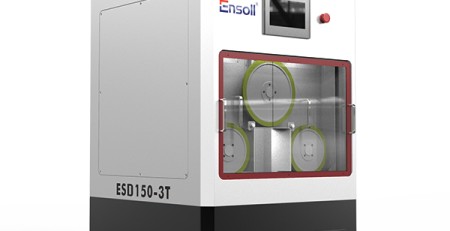
Anello di filo diamantatocutting has emerged as the superior solution, offrendo maggiore precisione, minima perdita di filetto, e riduzione dei danni nel sottostrato. In questo articolo, esploriamo come questa tecnologia avanzata migliori l'efficienza nella produzione di substrati di rubino sintetico.
Challenges in Sapphire Substrate Cutting
Before discussing diamond wire loops, it’s essential to understand the difficulties in processing sapphire:
Extreme Hardness – Sapphire is one of the hardest materials, making mechanical cutting difficult.
Brittleness – Improper cutting can cause micro-cracks, reducing substrate quality.
High Precision Requirements – LED and semiconductor industries demand ultra-thin wafers (as low as 100µm) with near-perfect surfaces.
Material Waste – Conventional methods lose up to 30% of the material, increasing costs.
Traditional methods like ID saws (sega a diametro interno) and laser cutting struggle with these challenges, leading to higher rejection rates and production inefficiencies.
How Diamond Wire Loop Cutting Works
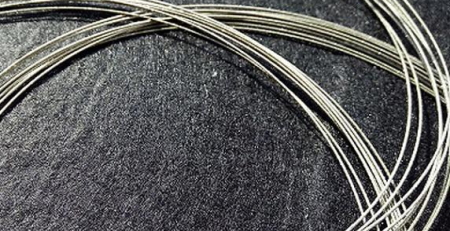
Diamond wire loop technology uses a thin, flexible wire embedded with diamond particles to slice through sapphire with minimal force. Here’s how it enhances efficiency:
1.Precision Cutting with Minimal Kerf Loss
– The wire diameter can be as thin as 0.1mm, significantly reducing material waste compared to blade saws (which have a kerf of 0.3mm or more).
– This allows more wafers per crystal ingot, lowering production costs.
✅ LED Manufacturing – Producing high-quality sapphire substrates for brighter, more efficient LEDs.
✅ Semiconductor Wafers – Enabling ultra-thin wafers for advanced electronics.
✅ Optical Components – Cutting sapphire windows and lenses with superior surface integrity.
Conclusione
Diamond wire loop cutting has revolutionized sapphire substrate processing by improving precision, reducing waste, and increasing production efficiency. As demand for high-performance LEDs and semiconductors grows, this technology will remain a critical tool for manufacturers seeking cost-effective, high-quality solutions.
Interested in optimizing yoursapphire cutting processo? Contact us today to learn how diamond wire loops can enhance your production line!
Domande Frequenti
Why is sapphire so difficult to cut?
Sapphire rates 9 on the Mohs hardness scale and is highly brittle, so conventional blade or laser cutting easily produces micro-cracks and high rejection rates. The LED and semiconductor industries also demand ultra-thin wafers with near-perfect surfaces, which leaves almost no margin for error.
How does a diamond wire loop reduce sapphire material waste?
The wire can be as thin as 0.1 millimetro, compared with a blade kerf of 0.3 mm or more. Conventional methods lose up to 30% of the ingot, while the narrow wire kerf converts more of each crystal into usable wafers and lowers production cost.
Does diamond wire loop cutting damage the sapphire surface?
No. Because the wire cuts with very low force, it generates less mechanical stress than abrasive saws, which prevents subsurface micro-cracks. The resulting surface is smoother and requires less polishing afterward.
Which industries use diamond-wire-cut sapphire substrates?
LED manufacturing uses them for brighter, more efficient chips; the semiconductor industry uses ultra-thin sapphire wafers for advanced electronics; and optics producers cut sapphire windows and lenses with superior surface integrity.
Punti chiave
Nella preparazione dei wafer per semiconduttori, i lingotti di silicio monocristallino vengono lavorati in wafer grezzi con alta precisione superficiale per la litografia.
Il lingotto... leggi di più
Punti chiave
Le dimensioni dei wafer di silicio fotovoltaico sono evolute dai formati dei wafer dei semiconduttori, con il FV storicamente in ritardo rispetto ai semiconduttori negli standard dimensionali.
Le dimensioni dei wafer continuano... leggi di più
Punti chiave
Il vetro di quarzo è un vetro di silice a componente singola lodato come il Re del Vetro; Il vetro di quarzo ad alta purezza trasmette bene attraverso.... leggi di più
La rapida evoluzione delle telecomunicazioni 5G, veicolo elettrico (VE) infrastruttura di ricarica, e alimentatori ad alta frequenza hanno messo un'enorme attenzione... leggi di più
Con il rapido sviluppo di ZHENGZHOU ENSOLL TOOLS TECHNOLOGY CO., LTD e il miglioramento continuo delle capacità di ricerca e sviluppo del prodotto,... leggi di più
Introduzione
Nella produzione moderna, L'importanza della tecnologia di lavorazione di precisione sta diventando sempre più importante, soprattutto nel campo del materiale magnetico.. leggi di più
2022 Semiconductor Wafer Industry Overview
Key Takeaways
Semiconductor silicon wafers are the carrier substrate for chip manufacturing, e l'industria delle wafer è... leggi di più
Classification of new functional ceramic materials
New functionalceramicomaterials are dielectric materials with electrical, magnetico, ottico, acustico, termico, meccanico,... leggi di più
La tecnologia di taglio Diamond-Wire-loop è una tecnologia di taglio avanzata per sostituire il tradizionale taglio di malta libera, che è ampiamente usato in... leggi di più