モノシリコンウェハーのダイヤモンドワイヤーソーによる切断
単結晶シリコンは、現代の半導体および太陽光発電産業の基盤です. シリコンインゴットを機能性ウェーハに変換, 精密な切断が不可欠です. 様々な切削技術の中で, ダイヤモンドワイヤーソー cutting has become the industry standard due to its efficiency, 精度, 最小限の材料損失.
この包括的なガイドでは, we will explore the monocrystalline silicon cutting process, ダイヤモンドワイヤーソー切断機に注目, 彼らの仕事の原則, 利点, および業界アプリケーション.
- Silicon wafer cutting turns a monocrystalline ingot into wafers; the three metrics that matter are TTV, 表面粗さ, and sub-surface damage.
- Fixed-diamond wire sawing has largely replaced slurry sawing: narrower kerf, cleaner process, more wafers per ingot.
- Wire diameter and tension stability drive both yield and how much downstream polishing is needed.
1. Understanding Monocrystalline Silicon
Before diving into the cutting process, let’s briefly discuss monocrystalline silicon and why it requires specialized cutting techniques.
1.1 What is Monocrystalline Silicon? (You can also click the link to learn more details via Wikipedia.)
 Monocrystalline silicon is a highly pure form of silicon with a single, continuous crystal lattice structure. It is produced using the Czochralski (CZ) method or the Float Zone (FZ) 方式, resulting in cylindrical ingots.
1.2 Why Precision Cutting is Critical
– 半導体産業: Silicon wafers must have ultra-smooth surfaces(nanometer-level roughness) for microchip fabrication.
-Photovoltaic Industry: Solar cells require thin, uniform wafers(typically 160-180µm) to maximize efficiency.
– Minimal Kerf Loss: Reducing material waste during cutting improves cost efficiency.
Traditional cutting methods like ID saws (inner diameter saws) and multi-wire slurry saws have been replaced by diamond wire saw cutting due to superior performance.
2. Diamond Wire Saw Cutting Technology
2.1 What is a ダイヤモンドワイヤーソー切断機?
ビデオショーケース:
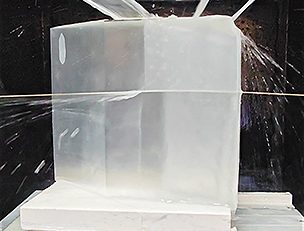
ある ダイアモンドワイヤーソー切断機 uses a high-tensile steel wire embedded with diamond abrasive particles to slice through hard materials like silicon. The wire moves at high speeds (10-15 ミリメートル/分) while the workpiece is fed into it, 最小のケルフ損失で精密切断を可能にする.
2.2ダイヤモンドワイヤソー機械の主要部品
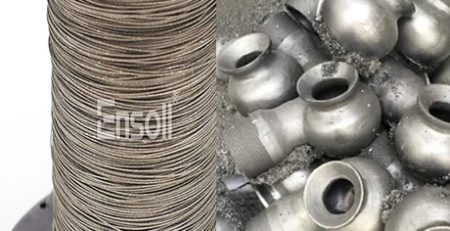
- ダイヤモンドワイヤー: 合成ダイヤモンド粒子でコーティングされた鋼線(30-100 µmサイズ) 電気めっきまたは樹脂結合を使用.
- ワイヤガイダンスシステム: 一定の張力と (20-60 N) 整列を確保.
- クーラントシステム: 過熱を防ぎシリコンの破片を除去 (通常PEGベースまたは水溶性クーラントを使用).
- モーションコントロールシステム: ワイヤ速度を制御, 送り速度, および切断角度e.
2.3 ダイヤモンドワイヤーソー切断の仕組み
- ワイヤの動き: ダイヤモンドワイヤは連続ループで走行, モーター駆動プーリーで駆動.
- 切断機構: ダイヤモンドの研磨粒子が微細切削と脆性破壊によってシリコンを研削.
- クーラント適用: 安定したクーラントの流れが切断部を潤滑, 熱応力を低減, およびシリコンスラリーを洗い流す.
- ウェーハ分離: シリコンインゴットは正確な厚さのウェーハにスライスされる (例えば。, 180太陽電池ウェーハ用のµm).
Material Cutting Showcase:
3.Advantages of Diamond Wire Saw Cutting
Compared to older methods like multi-wire slurry saws (MWSS), diamond wire saw offers:
3.1 Higher Cutting Speed & 効率
– Cutting speeds up to 1.5x faster than slurry-based methods.
– Multi-wire configurations allow simultaneous cutting of hundreds of wafers.
3.2 Reduced Kerf Loss & Material Waste
– Kerf width as low as 120-150µm (vs. 180-220µm in slurry saws).
– Higher yield per ingot, crucial for cost-sensitive solar manufacturing.
3.3 Improved Surface Quality
– Lower subsurface damage (SSD) due to controlled abrasive action.
– Reduced wire marks and waviness, minimizing post-cutting polishing.
3.4 Environmental & Cost Benefits
– No slurry disposal issues (unlike MWSS, which uses abrasive slurry).
– ワイヤの寿命が長い (up to 1,000 cuts per wire).
4. Challenges & Solutions in Diamond Wire Saw Cutting
Despite its advantages, ダイヤモンドワイヤーソー faces some challenges:

4.1 Wire Breakage & Wear
– Cause: 過剰な張力, 摩耗やすり減り, またはクーラントの故障.
– 解決策: リアルタイム張力モニタリング**, 最適化されたダイヤモンド粒子サイズ, および適切なクーラントろ過.
4.2 表面微細亀裂
– Cause: 切削中の脆性破壊.
– 解決策: 制御された送り速度, 切削後エッチング, またはアニール.
4.3 ワイヤーの弓形効果
– Cause: 波打つ切断を引き起こす不均一なワイヤー張力.
– 解決策: 動的張力制御を備えた高度なワイヤーガイドシステム.
5.ダイヤモンドワイヤーソー切断の応用
5.1 太陽 光 発電 (PV) 産業界
– 太陽電池ウェーハの製造 (単結晶PERC, TOPCon, HJTセル).
– 薄型ウェーハ切断 (次世代高効率セル向けに150µm以下).
5.2 半導体産業
– 半導体製造向けシリコンウェーハダイシング.
– 先進的パッケージング** (例えば。, ウェーハレベルパッケージング).
5.3 その他の応用
– LEDサファイア基板切断.
– 硬質材料加工 (ティッカー, 石英, 陶芸).
6.シリコンウェーハ切断の将来動向
- より薄いウェーハ: 100µm以下ウェーハへの需要が超精密ダイヤモンドワイヤーソーの進歩を促進.
- AI & 自動化: Machine learning-based process optimization for higher yield.
- Hybrid Cutting Methods: Combining laser pre-scoring + diamond wire saw for ultra-thin wafers.
結論
Diamond wire saw cutting has revolutionized monocrystalline silicon wafer manufacturing, offering superior precision, 効率, and cost savings over traditional methods. As the semiconductor and solar industries push for thinner, larger wafers, endless
diamond wire saw technology will continue to evolve, enabling next-generation electronics and renewable energy solutions.
For manufacturers, investing in advanced diamond wire saw machines is critical to staying competitive in the high-tech materials market.
By understanding the science and engineering behind diamond wire saw cutting, industry professionals can optimize their processes for higher efficiency and lower production costs.
よくある質問
シリコンウェハーはインゴットからどのように切り出されるのか?
インゴットは固定され、ダイヤモンドを含浸させたワイヤーでスライスされる. 現代のラインでは、緩い研磨剤スラリーの代わりに水冷クーラントを使用した固定ダイヤモンドワイヤーを使用している.
TTVとはウェハーカットにおいて何か?
単一ウェハー全体の厚さの総変動. これにより、後工程でどれだけラッピングや研磨が必要かが決まる, したがって、歩留まりとコストの両方に影響する.
なぜダイヤモンドワイヤーがスラリー切断に取って代わったのか?
より狭いカーフ (more wafers per ingot), 材料損失が少ない, よりクリーンな水ベースの工程, そしてより安定した表面品質.
薄いウェハーを切る際に破損を制御する要素は何か?
より細いワイヤー, 厳密に制御されたテンション, そして安定した送り速度. 標準厚さを下回ると、テンションの変動は直接破損として現れる.
Technical content reviewed by the Ensoll engineering team — a diamond wire loop manufacturer with 10+ years of production experience.