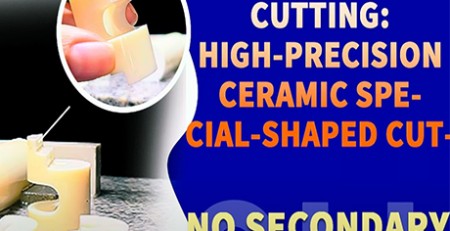
정밀 유리 절단: 제로 칩핑 기술
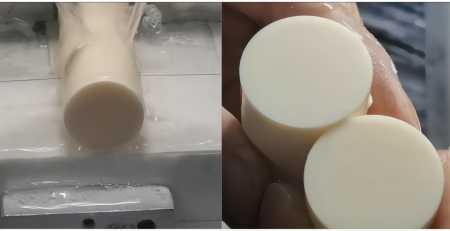
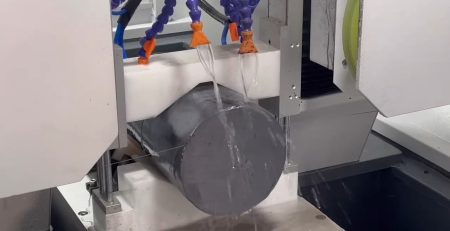
- Zero chipping edge technology uses ultra-thin diamond cutting wire loops to minimize mechanical stress, 매끄러운 칩 없는 가장자리 생산, higher yield rates and better structural integrity for downstream processing.
- Low-stress glass machining — controlled cutting force plus optimized feed rate — is the key to separating brittle fused silica and borosilicate without stress fractures, at sub-micron accuracy.
- Fused silica defeats conventional routes: laser cutting causes thermal stress and mechanical scribing risks micro-cracks, while diamond wire cutting is a cold process with uniform force and high repeatability.
- Borosilicate glass dicing with diamond wire keeps cut quality consistent even on thick sheets, minimizes kerf loss and runs fast — and the same setup is crucial for camera lens array dicing.
- Versus abrasive blades, diamond cutting wire loops offer thinner cuts, longer tool life and edge quality that needs no post-processing.
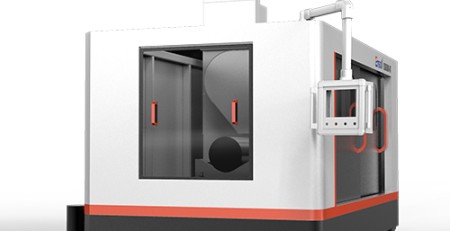
The demand for high-precision glass components has surged in industries such as optics, 전자공학, 및 의료 기기. To meet these requirements, manufacturers rely on cutting-edge technologies like zero chipping edge technology, low-stress glass machining, and fused silica precision cutting. Among the most effective methods is diamond wire saw cutting, which ensures clean cuts with minimal micro-cracks.
이 블로그에서, we’ll explore the latest innovations in glass machining, including borosilicate glass dicing, camera lens array dicing, and optical filter manufacturing, while highlighting the role of diamond cutting wire loops and diamond wire saw cutting machines in achieving superior results.
Chipping is the defect that decides yield in 광학 유리 절단, and it is controllable with the right wire and feed.
The Importance of Zero Chipping Edge Technology
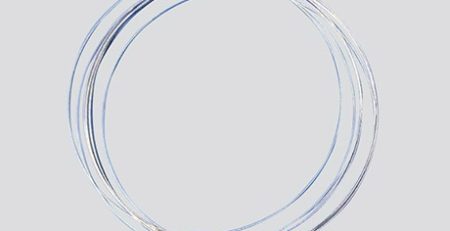
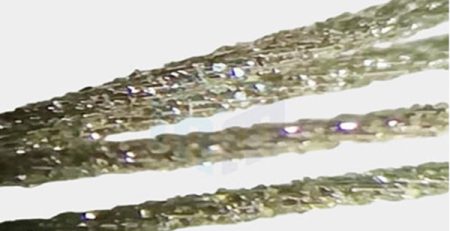
Traditional glass cutting methods often produce micro-cracks, chips, and rough edges, leading to material waste and reduced product performance. Zero chipping edge technology addresses these issues by utilizing ultra-thin diamond cutting wire loops that minimize mechanical stress on the glass.
Key Benefits
– Smooth, chip-free edges – Essential for optical applications where clarity is critical.
– Higher yield rates – Reduced material loss due to precision cutting.
– Improved structural integrity – Lower risk of fractures during further processing.
This technology is particularly valuable in camera lens array dicing, 작은 결함조차도 이미지 품질을 저하시킬 수 있는 경우.
섬세한 재료용 저응력 유리 가공
용융 실리카와 붕규산 유리 같은 취성 재료는 균열 방지를 위한 전문 기술이 필요. 저응력 유리 가공은 제어된 절단력과 최적화된 피송 속도를 활용하여 응력 균열을 유발하지 않고 깨끗한 분리를 보장.
응용 프로그램:
– 광학 필터 제조 – 초박형 요구, 고성능 필터를 위한 완벽한 절단.
– 의료기기 부품 – 센서 및 실험실 장비에 사용되는 정밀 절단 유리.
– 반도체 웨이퍼 – 전자용 얇은 유리 기판.
다이아몬드 와이어쏘 절단기를 사용해, 제조업체들이 재료 강도를 유지하면서 서브마이크론 정확도를 달성.
용융 규소 정밀 절단: 도전과 해결책
퓨즈드 실리카는 열 안정성과 광학적 투명성 덕분에 높이 평가되지만, 결함 없이 절단하기가 매우 어렵다. 레이저 절단과 같은 기존 방법은 열응력을 유발할 수 있다, 기계적 긁기 방법은 미세 균열을 초래할 위험이 있다.
다이아몬드 와이어 톱 절단의 우수성:
– 냉간 절단 공정 – 열 영향 영역 없음.
– 균일한 절단 힘 – 고르지 않은 응력 분포 방지.
– 높은 반복성 – 정밀 부품 대량 생산에 이상적.
퓨즈드 실리카 정밀 절단이 요구되는 산업 (예), 항공 우주, 레이저 광학) 이 방법으로 큰 혜택을 얻는다.
산업용 용도로 보로실리케이트 유리 다이싱
보로실리케이트 유리, 열충격 저항성으로 알려져 있으며, 화학 장치, LED 패키징, 스마트폰 커버에 널리 사용된다. 그렇지만, 경도 때문에 보로실리케이트 유리 다이싱은 어렵다.
Why Diamond Wire Saws Are Ideal:
– Consistent cut quality – Even for thick borosilicate sheets.
– Minimal kerf loss – Maximizes material utilization.
– Fast processing speeds – Enhances production efficiency.
This method is also crucial in camera lens array dicing, where multiple lenses must be separated without damage.
Camera Lens Array Dicing: Precision at Scale
Modern smartphones and DSLR cameras rely on multi-lens arrays for advanced imaging. Camera lens array dicing requires extreme precision to avoid optical distortions.
Key Techniques:
– Ultra-thin diamond wire loops – For fine, clean cuts.
– Automated alignment systems – Ensures accurate positioning.
– Low-vibration cutting – Prevents lens misalignment.
Manufacturers using diamond wire saw cutting machines report higher yields and fewer defective lense
Optical Filter Manufacturing: Meeting High Standards
Optical filters used in spectroscopy, photography, and defense systems must have flawless surfaces. Optical filter manufacturing leverages low-stress glass machining to achieve:
– Near-perfect edge quality – No light scattering.
– Tight dimensional tolerances – Ensures proper fit in assemblies.
– High throughput – Meets industry demand.
Diamond Cutting Wire Loop vs. Traditional Blades
Unlike abrasive blades, diamond cutting wire loops provide:
✔ Thinner cuts – Less material waste.
✔ Longer tool life – Reduced downtime.
✔ Superior edge quality – No post-processing needed.
이것은 첨단 유리 가공을 위한 다이아몬드 와이어 톱 절단 기계에서 필수적이게 만듭니다..
결론
제로 칩핑 엣지 기술의 진화, low-stress glass machining, 그리고 다이아몬드 와이어 톱 절단은 초정밀 유리 부품이 필요한 산업을 혁신했습니다.. 붕규산 유리 다이싱을 위해서든, camera lens array dicing, 혹은 광학 필터 제조를 위해서든, 이러한 발전은 더 높은 품질을 보장합니다., 능률, 그리고 비용 효율성.
다이아몬드 와이어 톱 절단 기계에 투자하면 생산 능력을 크게 향상시킬 수 있으며, 유리 절단에서 완벽을 추구하는 제조업체에게 스마트한 선택이 됩니다..
자주 묻는 질문
제로 칩핑 엣지 기술이란 무엇인가요??
이는 초박형 다이아몬드 절단 와이어 루프를 사용하여 재료에 대한 기계적 스트레스를 최소화하는 유리 절단 접근 방식입니다.. 그 결과는 매끄럽고, 칩 없는 가장자리, 재료 손실 감소로 인한 더 높은 수율입니다., 그리고 추가 가공 과정에서 골절 위험이 낮음 — 투명도가 중요한 광학 응용에 필수적입니다.
왜 용융 실리카는 절단이 어려운가요?
용융 실리카는 열적 안정성과 광학적 투명성으로 높이 평가되지만 결함이 잘 발생하는 것으로 악명높습니다: 레이저 절단은 열 스트레스를 유발합니다, 기계적 스크라이빙은 미세 균열 위험이 있습니다. 다이아몬드 와이어 톱 절단은 차가운 절단 공정으로 일정한 절단력과 높은 반복성을 가지므로 두 가지 문제를 모두 피할 수 있습니다.
보로실리케이트 유리를 다이싱하는 가장 좋은 방법은 무엇인가요?
다이아몬드 와이어 톱. 두꺼운 보로실리케이트 시트에서도 일관된 절단 품질을 유지합니다, 케르프 손실을 최소화하여 재료 활용도를 극대화합니다, 그리고 생산 효율성을 지원하는 속도로 가공합니다. 카메라 렌즈 배열 다이싱에도 동일한 방법이 사용됩니다, where multiple lenses must be separated without damage.
카메라 렌즈 배열 다이싱에는 무엇이 필요한가요?
극도의 정밀함: 미세하고 깨끗한 절단을 위한 초박형 다이아몬드 와이어 루프, 정확한 위치 지정을 위한 자동 정렬 시스템, 렌즈 위치 불일치를 방지하는 저진동 절단. 다이싱 단계에서의 작은 결함도 스마트폰 및 DSLR 카메라의 이미지 품질을 저하시킬 수 있습니다.
Ensoll 엔지니어링 팀의 검토.