Сапфир — это кристаллический оксид алюминия (Al2O3) — минерал корунд, по шкале Мооса 9, второй по твердости природный минерал после алмаза; чистый Al2O3 сам по себе бесцветен.
Цвета появляются из-за следовых примесей: синий от титана плюс железо, розовый от хрома, фиолетовый от ванадия; когда хром создаёт истинно красный цвет, камень классифицируется как рубин вместо этого.
Природные сапфиры формируются при высоких температуре и давлении в метаморфических и магматических породах; основные источники включают Кашмир, Мьянму, Шри-Ланку, Мадагаскар, Австралию и Монтану.
Синтетический сапфир — изготовленный методом Вернейя (пламенное спекание) (позже 1902), тянущее выращивание по Чохральскому методу, рост во флюсе или гидротермальный рост — имеет идентичные физические свойства и используется для часов, кристаллов, подложек светодиодов, защитных стекол камер телефонов и медицинских имплантов.
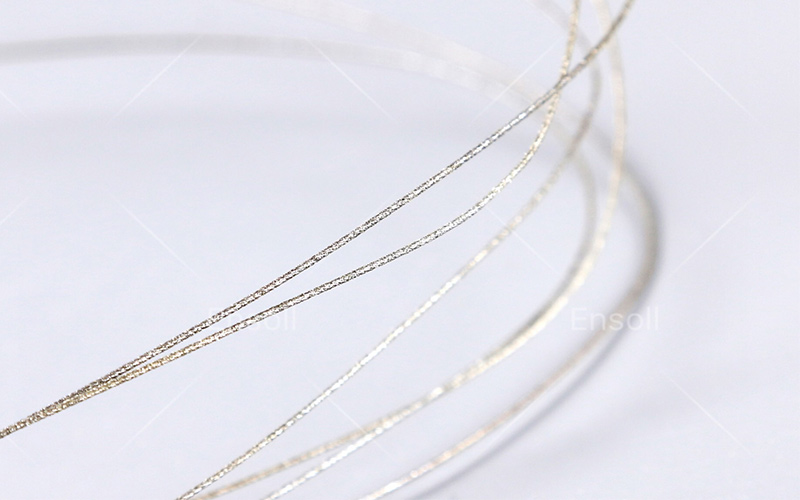
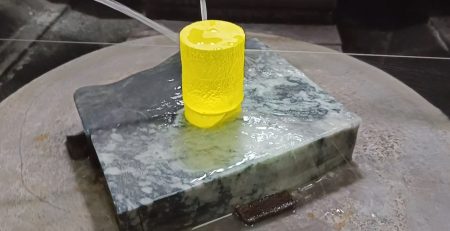
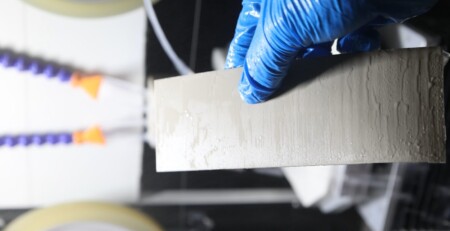
Только алмазный инструмент эффективно режет сапфир; резка алмазной проволочной петлёй даёт гладкую поверхность, controlled cuts with minimal subsurface damage, protecting both LED wafers and expensive natural rough.
When you think of sapphires, you probably picture a deep blue gemstone in a royal ring or a luxury watch. But sapphires are far more interesting than their beauty suggests. So, what are sapphires made of?
The short answer is aluminum oxide (Ал₂О₃). The longer answer involves crystal structures, trace elements, and even industrial applications that might surprise you. В этой статье, we will explore the composition of sapphires, how they form, and how they are shaped for both jewelry and high-tech uses.
The Basic Chemistry of Sapphire
Aluminum Oxide: The Foundation
По сути, a sapphire is a crystalline form of aluminum oxide, a chemical compound made of two aluminum atoms bonded to three oxygen atoms (Ал₂О₃). Это то же соединение, которое образует минерал корунд, второй по твердости природный минерал после алмаза, ранжирование 9 по шкале твердости Мооса.
Чистый оксид алюминия на самом деле бесцветен. Потрясающие цвета, которые мы связываем с сапфирами, возникают из-за следовых примесей — крошечного количества других элементов, которые заменяют некоторые атомы алюминия в кристаллической решетке.
Откуда берется синий цвет?
Классический синий сапфир получает свой цвет из-за небольшого количества титана и железа. Когда эти два элемента находятся вместе в кристаллической структуре, они взаимодействуют со светом так, что поглощают определенные длины волн и пропускают синий цвет. Точный оттенок зависит от соотношения и концентрации этих примесей.
Другие цвета и что их вызывает
Сапфиры встречаются почти во всех цветах радуги. Вот что создает каждый оттенок:
Цвет
Вызывающий элемент
Синий
Титан + Железо
Желтый
Железо
Green
Железо + Титан (разное соотношение)
Розовый
Хром
Оранжевый
Железо + Хром
Фиолетовый
Ванадий
Бесцветный
Без примесей
Красный корунд не называют сапфиром — его называют рубином. Разница лишь в цвете и концентрации хрома. Когда уровень хрома даёт красный цвет, соответствующий определённым стандартам, драгоценный камень классифицируют как рубин, а не как розовый сапфир.
Часть вторая: Как сапфиры образуются в природе
Геологическое происхождение
Природные сапфиры формируются глубоко в коре Земли при определённых условиях. Им требуется:
– Высокая температура (около 800–1800°C)
– Высокое давление (несколько килобар)
– Алюмо-богатая среда с низким содержанием кремнезема
Большинство сапфиров образуется в метаморфических породах, таких как мрамор, гнейс, и сланец. Они также могут образовываться в магматических породах, таких как базальт. На протяжении миллионов лет, эрозия освобождает эти кристаллы из пород-носителей, и вода переносит их в русла рек, где их находят шахтёры в виде аллювиальных залежей.
Mining Locations
Major sapphire sources include:
– Кашмир (известен интенсивным синим цветом, сейчас во многом истощён)
– Мьянму (Бирма) – известна качественными синими сапфирами
– Шри-Ланку (Цейлон) – производит широкий спектр цветов
– Мадагаскар – один из основных современных источников
– Австралия – большие объемы, но более тёмные камни
– Монтана, США – уникальные бледно-синие и жёлтые цвета
Часть третья: Синтетические сапфиры – созданы человеком
Зачем создавать синтетические сапфиры?
Природные сапфиры редки и дороги. Для многих промышленных и даже некоторых ювелирных применений, синтетические сапфиры обладают теми же физическими и химическими свойствами за часть стоимости.
Первый успешный синтетический сапфир был создан в 1902 французским химиком Огюстом Вернейем. Его метод плавления в пламени применяется и сегодня, хотя с тех пор были разработаны более современные технологии.
Методы производства
Верней (плавление в пламени) Метод:
Порошок оксида алюминия мелкого помола сбрасывается через высокотемпературное пламя. Порошок плавится и падает на вращающийся постамент, где он затвердевает в виде монокристаллического булета. Этот метод быстрый и дешевый, но дает камни с изогнутыми линиями роста.
Метод Чохральского:
Тот же метод используется для Кремниевые пластины. Оксид алюминия плавится в тигле, и кристалл-зародыш погружается в расплав и медленно вытягивается вверх при вращении. Это позволяет получить кристаллы чрезвычайно высокого качества с идеальной внутренней структурой.
Методы роста из флюса и гидротермальный метод:
Эти медленные методы имитируют естественные условия роста. Они производят более дорогие синтетические камни, которые очень похожи на природные сапфиры, часто используются для высококлассных украшений, когда природные камни слишком дорогостоящие.
Промышленные применения синтетического сапфира
Поскольку синтетический сапфир обладает твердостью и химической стойкостью натурального сапфира,, он выполняет множество технических функций:
– Часы, кристаллы (устойчивые к царапинам поверхности)
– Защитные покрытия для камер смартфонов и экранов (некоторые премиальные телефоны используют сапфировое стекло)
– подложек светодиодов (сапфировые пластины для выращивания светодиодов на основе нитрида галлия)
– Подложки для электроники из тонкопленочного сапфира
Часть четвертая: Резка и формирование сапфира
Проблема резки сапфира
Сапфир исключительно твёрдый — уступает по твердости только алмазу. Резка его не похожа на резку стекла или металла. Традиционные стальные инструменты не царапают поверхность сапфира. Вместо этого, резка и формирование сапфира требует алмазных инструментов, поскольку только алмаз твёрже сапфира (10 против. 9 по шкале Мооса).
От необработанного кристалла до полированного драгоценного камня
Для драгоценных камней, процесс включает:
Sawing the rough crystal into manageable pieces
Grinding to create basic shapes (cabochons or faceted preforms)
Lapping to flatten and smooth surfaces
Faceting to cut precise angles that reflect light
Polishing to achieve a mirror finish
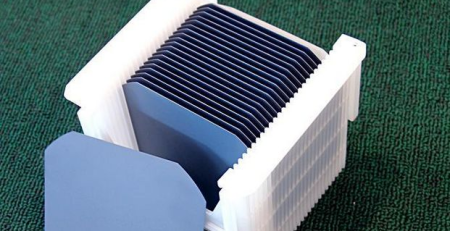
For industrial sapphire components (окна, wafers, watch crystals), the process is similar but with stricter dimensional tolerances. Large synthetic sapphire boules must be sliced into thin wafers or plates.
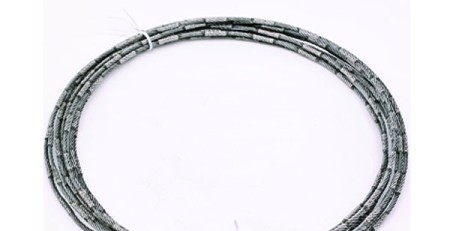
This is where precision cutting technology becomes essential. Slicing a sapphire boule into thin wafers requires a tool that can maintain consistent thickness while minimizing cracks and waste. Тем Петля из алмазной проволокиoffers exactly this capability. The continuous loop of diamond-coated wire moves in one direction, providing a smooth, controlled cut with minimal subsurface damage. Эта техника особенно ценна для производства сапфировых пластин, используемых в производстве светодиодов, или для резки дорогого натурального сырого сапфира, где важно каждый миллиметр материала.
Часть пятая: Сапфир против. Других драгоценных камней
Сапфир против. Рубин
Как упоминалось, оба являются корундом (Ал₂О₃). Единственное различие — цвет. Химического различия нет — только историческая и коммерческая условность в названиях. Некоторые розовые сапфиры содержат тот же хром, что и рубины, но в меньшей концентрации.
Сапфир против. Алмаз
Алмаз — это чистый углерод в кубической кристаллической решетке. Сапфир — это оксид алюминия в тригональной, (гексагональной) структура. Алмаз тверже (10 против. 9) и имеет более высокий показатель преломления (2.42 против. 1.77), что означает, что алмазы обычно проявляют больше блеска. Однако, Сапфир более прочный (менее подвержен раздвоению) и стоит значительно дешевле, что делает его практичным для многих применений, где использование алмаза было бы избыточным.
Сапфир против. Стекло
Glass is amorphous (некристаллический) диоксид кремния с различными добавками. Сапфир — это кристаллический оксид алюминия. Сапфир намного тверже, более устойчив к царапинам, и обладает более высокой теплопроводностью. Однако, стекло дешевле и проще поддается формовке, поэтому большинство экранов телефонов по-прежнему делают из стекла, а не из сапфира.
—
Часть шестая: Как определить настоящий сапфир
Распространенные тесты
Тест на твердость: Сапфир царапает стекло и большинство других драгоценных камней (кроме алмаза). Но этот тест разрушителен и не рекомендуется для готовых украшений.
Показатель преломления: Профессиональные геммологи используют рефрактометр. Естественные и синтетические сапфиры измеряются в пределах 1,762–1,770.
Включения: Естественные сапфиры часто содержат крошечные включения — иглы рутиля, минеральные кристаллы, или линии роста. Синтетические сапфиры могут показывать изогнутые полосы (Верней) или чистую внутреннюю структуру (Чохральский метод).
Спектроскопия: Спектроскоп показывает характерные линии поглощения, характерные для определенных микроэлементов. Синие сапфиры показывают линии железа и титана.
Природные против. Синтетические
Для большинства практических целей (твёрдость, химическую стойкость, оптические свойства), природные и синтетические сапфиры идентичны. Разница заключается в происхождении и цене. Опытный геммолог может отличить их по внутренним особенностям, но обычный человек не может и не должен этого делать.
Заключение: Простой состав с невероятным диапазоном
So, what are sapphires made of? Ответ удивительно прост: оксид алюминия с щепоткой микроэлементов. Тем не менее, этот простой состав создаёт одну из самых разнообразных и ценных семейств драгоценных камней на Земле. От глубоких синих цветов Кашмира до промышленной точности синтетических пластин, сапфир сочетает красоту, долговечность, и полезность так, как немногие другие материалы могут сравниться.
Будь то ваше восхищение сапфиром в королевской короне, или ношение его как камня рождения (Сентябрь), or rely on a sapphire window in a scientific instrument, you are looking at the same remarkable material—corundum, colored and shaped for its purpose.
Часто задаваемые вопросы
What are sapphires made of?
Оксид алюминия (Al2O3) — two aluminum atoms bonded to three oxygen atoms in a crystalline lattice. This is the mineral corundum, rating 9 по шкале твердости Мооса. Pure aluminum oxide is colorless; the familiar colors come from trace elements replacing some aluminum atoms in the lattice.
What gives blue sapphire its color?
Small amounts of titanium and iron sitting together in the crystal structure. They interact with light so that certain wavelengths are absorbed and blue is transmitted; the exact shade depends on the ratio and concentration of the two impurities.
Является ли синтетический сапфир настоящим сапфиром?
С физической и химической точек зрения, да: синтетический сапфир имеет ту же твердость, химическую стойкость и оптические свойства, что и натуральный сапфир. Разница заключается в происхождении и цене. Геммологи могут различить их по внутренним особенностям, таким как изогнутые линии роста, но для промышленных целей они взаимозаменяемы.
Как резать сапфир?
Работает только алмазный инструмент, потому что алмаз (по шкале Мооса 10) — единственный материал тверже сапфира (по шкале Мооса 9). Для нарезки булов на пластины или резки ценных необработанных камней, алмазная проволочная петля обеспечивает гладкий, контролируемый, непрерывный разрез с минимальными повреждениями под поверхностью и очень небольшой потерей материала.
Основные выводы
Производителям фотоэлементов нужно больше пластин на слиток при все более низкой стоимости — именно это обеспечивает резка алмазной проволочной петлей.
Узкий... читать далее
Key Takeaways
Ferrite (керамический) магниты представляют собой спечённый оксид железа с карбонатом стронция или бария: дешёвые, коррозионностойкие и стабильные до 250... читать далее
Ценные породы дерева, такие как палисандр и хуанхуали, высоко ценятся из-за своей редкости, Уникальная текстура, и цвет. Чтобы максимизировать ... читать далее
Основные выводы
Тонкопленочные фотоэлектрические материалы, такие как CdTe, CIGS и a-Si требуют точной резки, которая исключает как тепловое, так и механическое повреждение.
Алмаз... читать далее
Основные выводы
Кирпич обычно оценивается 5-8 по шкале твердости Мооса, поэтому режущие и шлифовальные инструменты должны иметь абразивы более твёрдые и... читать далее

 The Basic Chemistry of Sapphire
 Классический синий сапфир получает свой цвет из-за небольшого количества титана и железа. Когда эти два элемента находятся вместе в кристаллической структуре, они взаимодействуют со светом так, что поглощают определенные длины волн и пропускают синий цвет. Точный оттенок зависит от соотношения и концентрации этих примесей.