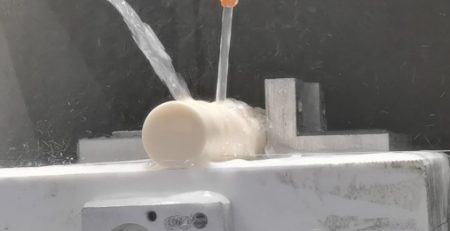
Резка тонкоплёночных солнечных элементов: Петлевая алмазная проволока превосходит
- Тонкопленочные ФЭМ материалы, такие как CdTe, CIGS и a-Si требуют точной резки, которая исключает как тепловое, так и механическое повреждение.
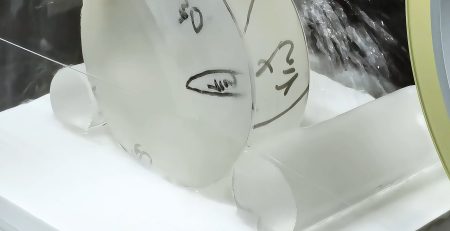
- Петля с алмазной нитью превосходит лазеры и лезвия при работе с хрупкими тонкопленочными слоями: это холодный, технология с узким пропилом и чистыми краями.
- Резка петлей с алмазной нитью применяется в модулях CdTe, панелях CIGS и аморфного кремния, и рассматривается как будущее передовой резки ФЭМ.
Солнечная энергетика продолжает развиваться с помощью передовых тонкопленочных фотоэлектрических (ПВ) технологий, обеспечивающих более высокую эффективность и снижение производственных затрат. Среди них, Теллурид кадмия (CdTe), Селенид меди-индия-галлия (CIGS), и аморфный кремний (a-Si) выделяются как ключевые материалы для солнечных панелей нового поколения.
Однако, Производство высокоэффективных тонкопленочных солнечных элементов требует точной нарезки для минимизации отходов материала и поддержания структурной целостности. Существуют различные методы резки, Проволочная петля для алмазной резки technology has emerged as the most efficient solution for thin-film semiconductors.
 В этом блоге исследуется:
✔ Why thin-film solar materials need precision cutting
✔ Comparison of cutting technologies
✔ Why diamond cutting wire loop is the best choice
✔ Industry applications and future trends
Thin-film stock fails for the same reason thin wafers do — see the yield notes under the wafer cutting process.
Why Thin-Film Solar Materials Require Precision Cutting
Thin-film solar cells are significantly thinner (1–4 µm) than traditional Кремниевые пластины, making them more challenging to cut without damage. Key challenges include:
- Minimal Kerf Loss Requirement
– Thin-film materials are expensive; waste reduction is critical for cost efficiency.
– Traditional saws create >200 µm kerf loss, while diamond wire loops achieve <100 мкм.
- Необходима высококачественная отделка кромки
– Шероховатые кромки снижают эффективность элементов из-за увеличения потерь на рекомбинацию.
– Лазерная резка может вызвать тепловое повреждение, ухудшение характеристик.
- Масштабируемость для массового производства
– Производство тонкоплёночных солнечных элементов требует высокой производительности резки без потери качества.
Технологии резки для тонкоплёночных солнечных материалов
| Метод | Плюсы | Минусы | Лучше всего подходит для |
| Механическое надрезание | Низкая стоимость | Высокий уровень поломок | Лабораторные исследования R&D |
| Лазерная резка | Высокая точность | Зона термического воздействия (ХАЗ) | Производство в малых масштабах |
| Ультразвуковая резка | Минимальные напряжения | Низкая скорость обработки | Гибкие подложки |
| Петля для алмазной резки проволоки | Отсутствие зоны термического влияния (ЗТВ), Высокоскоростной, Низкие потери керфа | Более высокие первоначальные инвестиции | Массовое производство |
Почему алмазная резка проволокой превосходит другие методы
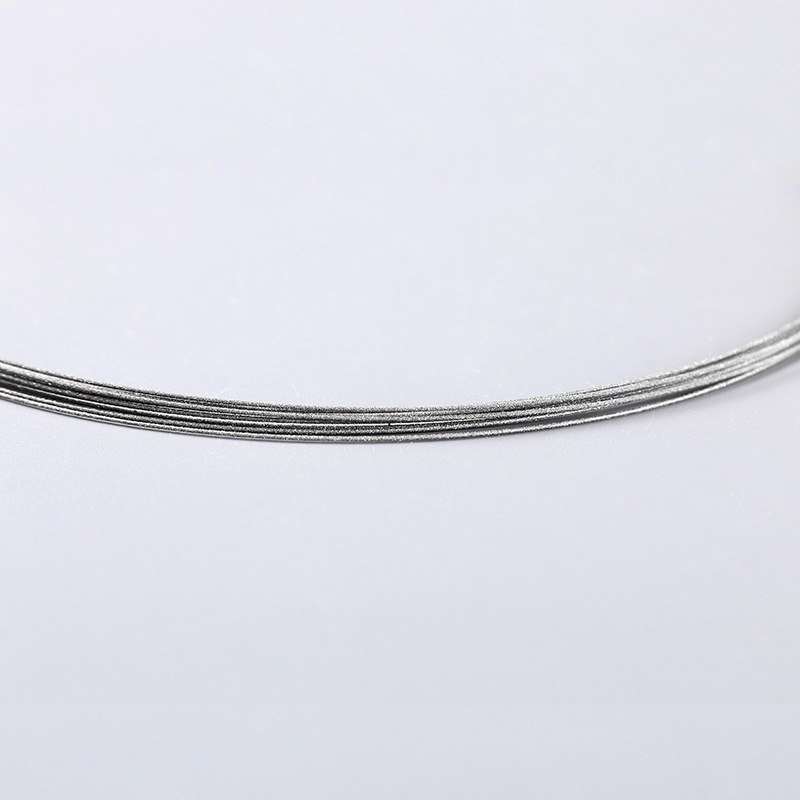

– Достигает ширины керфа 50–80 мкм, сохраняя больше активного материала.
– 30% более высокая выходность материала по сравнению с. лазерными/механическими методами.
- Холодный процесс резки (Отсутствие тепловых повреждений)
– В отличие от лазеров, алмазная проволочная петля не генерирует тепло, предотвращая:
– Термические трещины в CdTe
– Деламинация слоя в CIGS & a-Si
3. Превосходное качество кромки
– Шероховатость поверхности <0.5 мкм (против. 2–5 µм с лазерами).
– Более гладкие края = более высокая эффективность элемента (до 1.5% прирост).
4. Высокоскоростное производство
– Автоматизированные системы проводов сокращают простой.
5. Снижение эксплуатационных затрат
– Нет расходного шлама (в отличие от абразивных пил).
Применение в производстве тонкопленочных солнечных элементов
1. Солнечные модули на CdTe
– Проблема: CdTe хрупкий и чувствительный к термическому стрессу.
– Решение: Алмазные проволочные петли обеспечивают чистые, безтрещинные резы для высокопроизводительного производства панелей CdTe.
2.Гибкие солнечные элементы CIGS
– Проблема: Риск деламинации при резке.
– Решение: Проволока из алмаза с низким натяжением предотвращает расслоение слоя.
3. Тонкопленочные панели на a-Si
– Проблема: Низкая механическая прочность приводит к дефектам краев.
– Решение: Полированные алмазные проволоки обеспечивают гладкие, бездефектные края.
Будущие тренды: Алмазные проволочные петли в передовой фотоэлектронике
- Более тонкие (0.5–1 µм) – Технология алмазной проволоки адаптируется для ультратонких пленок.
- AI-Optimized Tension Control – Further reducing breakage rates.
Заключение: Diamond Cutting Wire Loop is the Future
For thin-film solar materials (CdTe, CIGS, a-Si), diamond cutting wire loop technology delivers:
✅ Highest material yield (lowest kerf loss)
✅ No thermal damage (critical for thin films)
✅ Production-scale speeds
✅ Long-term cost savings
As the solar industry shifts toward higher-efficiency thin-film PV, manufacturers adopting diamond wire cutting will lead in quality, эффективность, and profitability.
Часто задаваемые вопросы
Why do thin-film solar materials need special cutting methods?
Thin-film stacks are layered and brittle. Heat or excessive force causes delamination and cracking that directly reduce module efficiency.
Can diamond wire loop cut CdTe and CIGS materials?
Да. Its cold micro-grinding action is well suited to brittle compound semiconductors and produces clean edges without a heat-affected zone.
Diamond wire loop versus laser for thin-film cutting?
Laser cutting risks delamination and heat damage in layered thin-film structures, while diamond wire loop gives damage-free edges at production quality.
Технический контент проверен инженерной командой Ensoll — производителя алмазных проволочных петель с 10+ многолетним производственным опытом.