铝镍钴磁铁: 高性能磁铁解析
当人们想到强力磁铁时, 钕 (稀土) 往往是首先想到的. 但早在钕铁硼主导市场之前, 就有铝镍钴磁铁——一种在高温和精密应用中仍不可替代的磁铁合金. 从电吉他拾音器到复古传感器再到航空航天组件, 铝镍钴磁铁在现代工程中仍然发挥着重要作用.
- Alnico (铝-镍-钴-铁) 曾是稀土出现之前最强的永磁体, 在高温使用中仍不可替代——它能在 550 degC and keeps over 90% of its flux at 500 degC.
- Its special traits: high residual induction (为止 1.35 T), natural corrosion resistance, less than 1% magnetic aging per decade, and the unique ability to be re-magnetized after partial demagnetization.
- Its weakness is low coercivity (30-150 kA/m), which is why Alnico parts are designed long and slender; the alloy is also hard (45-50 HRC) and brittle to machine.
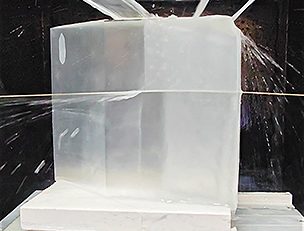
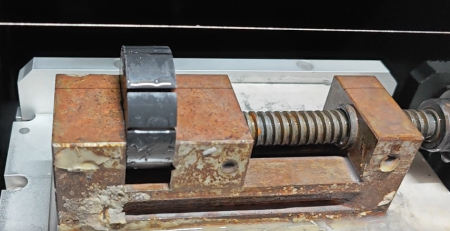
- Diamond wire loop cutting delivers zero edge chipping, a thin 0.2-0.6 mm kerf that saves expensive cobalt, 无热损伤, and an Ra 0.4-1.6 micrometer finish.
在这本综合指南中, we will explore everything you need to know: what is an Alnico magnet, is Alnico a magnetic material, what are Alnico magnets made of, what is special about Alnico magnets, and finally—how to machine this hard, brittle alloy with minimal waste using 金刚石线环 切割技术.
Alnico predates the rare-earth grades and is far more forgiving than how to cut neodymium magnets, but the same low-force principle applies.
What Is an Alnico Magnet?

An Alnico magnet is a type of permanent magnet made primarily from three key elements: 铝 (铝), Ni (镍), and Co (cobalt). The name “Alnico” is a direct abbreviation of these three components. Developed in the 1930s, Alnico was the strongest permanent magnet available until the advent of rare-earth magnets in the 1970s.
Alnico magnets are known for their excellent temperature stability—they can operate at temperatures up to 550°C (1022°F) without significant loss of magnetic strength. They also exhibit high residual induction (Br) and good resistance to demagnetization, though their coercivity (resistance to being demagnetized) is lower than that of ceramic or neodymium magnets.
Today, Alnico magnets are produced in two common forms:
– Cast Alnico – Made by pouring molten alloy into sand or shell molds. Offers the highest magnetic output.
– Sintered Alnico – Made by pressing fine metal powder into a die and then heating. Provides tighter dimensional tolerances but slightly lower magnetic properties.
Is Alnico a Magnetic Material?
是的, absolutely. Alnico is not only a magnetic material—it is one of the most important permanent magnetic materials in industrial history. To answer the question precisely: Alnico is a ferromagnetic material, meaning its atomic magnetic moments align spontaneously in the same direction, producing a strong external magnetic field.
Unlike soft magnetic materials (like iron or silicon steel), which lose their magnetism the moment an external field is removed, Alnico retains a significant portion of its magnetization. This makes it suitable for applications requiring a persistent, stable magnetic field without continuous power input.
然而, Alnico has a unique characteristic: its coercivity is relatively low (typically 30–150 kA/m). This means that although it is a permanent magnet, 如果受到强烈的相反磁场,它可能会部分去磁. 设计师通常通过使用较长的纤细形状来补偿,以最小化内部去磁场, Alnico 磁铁由什么制成.
Alnico 磁铁3?

但标准配方包括, 铝:
– – 8–12% (铝) 镍
– – 15–26% (Ni) 钴
– Co (– 5–40%) – 平衡
– 铁 (铁) 通常为 30–60% (铜)
– Cu (– 3–4%) 在某些等级中 (以提高矫顽力, 钛)
– 钛 (Ti) – 0–8% (增加以进一步提高矫顽力)
最常见的商业等级是 Alnico 2 (低矫顽力, high residual induction), Alnico 5 (最广泛使用的铸造等级, 具有优异的磁输出), 以及 Alnico 8 (高矫顽力, 通常含有钛).
为了生产 Alnico 磁铁, 制造商将这些金属在感应炉中熔化, then cast or sinter them. After forming, the magnets undergo a specialized heat treatment in a magnetic field. During cooling, the magnetic field aligns the crystal structure, creating a preferred magnetization direction. This process, called “magnetic annealing,” is what gives Alnico its high residual induction.
What Is Special About Alnico Magnets?
Several properties make Alnico magnets unique and valuable despite the rise of neodymium and samarium-cobalt magnets.
1. Exceptional Temperature Stability
Alnico magnets maintain over 90% of their magnetic flux up to 500°C. 相比之下, neodymium magnets begin to irreversibly lose strength above 80–150°C. For applications like automotive sensors, aircraft instrumentation, and industrial tachometers exposed to high heat, Alnico remains the only viable choice.
2. High Residual Induction (Br)
Alnico magnets can achieve a residual flux density of up to 1.35 Tesla (for Alnico 5). This is comparable to many rare-earth magnets. 然而, because their coercivity is lower, they are typically used in closed magnetic circuits where the magnet is not exposed to strong opposing fields.
3. Excellent Corrosion Resistance
Unlike neodymium magnets, which require nickel or epoxy coating to prevent rust, Alnico contains no easily oxidized rare-earth elements. It resists atmospheric corrosion naturally, eliminating the need for protective coatings in most environments.
4. Stable Magnetism Over Time
Alnico magnets exhibit extremely low magnetic aging—less than 1% loss per decade. Once magnetized, they remain stable for decades, making them ideal for measurement devices, compasses, and reference magnets.
5. Unique Rechargeable Property
If an Alnico magnet is partially demagnetized, it can be fully restored to its original strength by placing it in a strong magnetizing fixture. This is not possible with ceramic or rare-earth magnets.
6. Distinctive Sound in Audio Applications
Musicians and audio engineers prize Alnico magnets for electric guitar pickups and moving-coil microphones. The slightly lower coercivity produces a softer, more “vintage” compression characteristic compared to ceramic magnets. Iconic guitar pickups like the PAF (已申请专利) 双线圈拾音器使用Alnico磁铁 2, 3, 和 5.
Alnico磁铁的应用
由于这些特殊性质, Alnico磁铁 (了解更多专业知识)可用于:
– 电吉他拾音器 – 复古音色再现
– 汽车传感器 – 发动机舱下的速度和位置传感器 (高温环境)
– 航空航天仪器 – 磁罗盘和转速表
– 磁电机 – 小型飞机和赛车发动机点火系统
– 麦克风 – 经典的缎带式和动圈式设计
– 测量仪器 – 永磁移动线圈 (PMMC) 仪表
– 磁选机 – 低强度应用
如何以最小浪费切割铝镍钴磁铁 (金刚石线环技术)
制造商在处理铝镍钴时面临的一个挑战是铸造后的机械加工. 铝镍钴非常硬 (45–50 HRC) 且脆, 尤其是在铸造状态下. 传统切割方法——砂轮锯, 水射流, 或 EDM (放电加工)——都有缺点:
– 砂轮 – 会造成崩边, 表面粗糙, 刀缝宽 (material loss)
– 水射流 – 可能导致边缘分层且需要大量清理
– 放电加工(EDM) – 慢, 昂贵, 并且会留下再铸层,可能影响磁性性能
解决方案: 金刚石线环切割
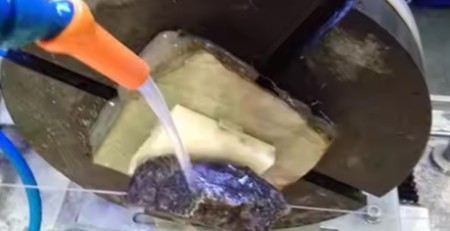
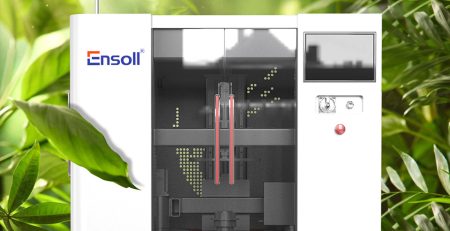
金刚石钢丝环由连续的不锈钢丝制成,并电镀工业钻石颗粒. 该环以高速单向旋转 (通常为4毫米/分钟), 以精密且最小浪费的方式研磨硬质材料如Alnico.
为什么金刚石钢丝环是Alnico磁铁的理想选择:
| 优势 | Alnico的好处 |
| 零边缘崩裂 | 细小的金刚石颗粒均匀分布应力, 消除锯片常见的裂纹和边缘崩落. |
| 薄切缝 (0.2–0.6毫米) | 狭窄的切口意味着更少的材料变为灰尘——当Alnico含有昂贵的钴时,这一点尤为关键 (为止 40%). |
| 无热损伤 | 冷却液 (水或油) 持续冲洗切割区, 防止热退磁或微裂纹. |
| 优良的表面光洁度 (Ra 0.4–1.6微米) | 许多Alnico零件切割后无需二次研磨. |
| 能够切割复杂形状 | 数控控制的金刚石线圈可以切割圆形, 弧形, 插槽, 和定制轮廓,无需更换刀具. |
结论
铝镍钴磁铁远未过时. 其卓越的温度稳定性, high residual induction, 耐腐蚀性, 以及独特的磁性特性,使其在从吉他拾音器到航空航天传感器的高要求应用中仍然具有相关性. 为了回答关键问题: Alnico绝对是一种磁性材料, 它由铝制成, 镍, cobalt, 铁, 有时还含有铜或钛, and what is special about it is its ability to perform reliably at extreme temperatures and over decades of service.
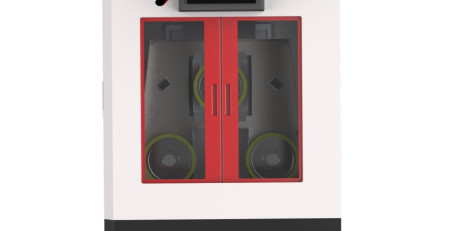
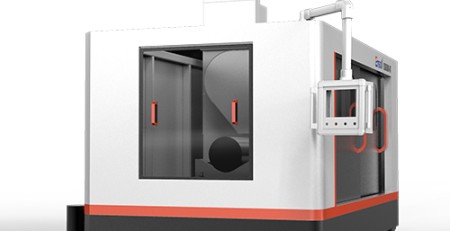
然而, cutting Alnico remains a manufacturing challenge due to its hardness and brittleness. Diamond wire loop technology solves this problem by delivering zero chipping, minimal kerf loss, no thermal damage, and a smooth surface finish. Whether you are producing custom-shaped Alnico 5 pickup magnets or high-coercivity Alnico 8 sensor components, 一个 金刚石线环锯 is the optimal tool for precision and waste reduction.
常见问题
What are Alnico magnets made of?
Primarily aluminum (8-12%), 镍 (15-26%), cobalt (5-40%) and iron (30-60%), with copper or titanium added in some grades to raise coercivity. Common commercial grades are Alnico 2, Alnico 5 以及 Alnico 8.
What is special about Alnico magnets?
Exceptional temperature stability (working up to 550 degC), high residual induction, natural corrosion resistance without coatings, extremely low magnetic aging, and the ability to be fully re-magnetized after partial demagnetization — a unique trait among permanent magnets.
Alnico vs neodymium magnets — which is better?
It depends on the application. Neodymium is far stronger at room temperature, but Alnico keeps its strength at temperatures where neodymium irreversibly fails (above 80-150 degC). For high-heat sensors, instruments and guitar pickups, 钴铝镍合金是更好的选择.
钴铝镍磁铁可以加工或切割吗?
是的, 但该合金硬且脆, 所以磨料锯会使其碎裂,电火花加工会留下再结晶层. 金刚石线切割是首选方法: 零边缘碎裂, 薄切缝可节省昂贵的钴, no thermal damage, 而且表面处理通常不需要二次研磨.
技术内容由Ensoll工程团队审核——一家金刚线环制造商 10+ 多年生产经验.