铁氧体材料在现代技术中随处可见. From the tiny magnetic components inside your smartphone to the powerful electromagnets in electric vehicle motors, ferrites play a critical role in our daily lives. 然而, machining these hard, 脆性陶瓷材料带来了重大挑战. 传统切割方法常导致崩边, 开裂, and material waste.
关键要点
Ferrites are iron-oxide ceramic magnets — soft grades (MnZn, NiZn) 用于变压器和电感器, 硬质等级用于扬声器和电机——全部硬质 (莫氏硬度 5-7), brittle and low in tensile strength.
Conventional cutting fails on ferrite: 边缘崩裂, heat-induced cracking, rapid tool wear, wide-kerf material waste and heavy post-processing.
Diamond wire saw cutting uses distributed micro-grinding instead of shearing: 零边缘碎裂, minimal heat, 0.2-0.6 毫米切缝, Ra 0.4-1.6 micrometer finishes and ±0.01 mm CNC repeatability.
The endless (closed-loop) wire configuration beats reciprocating saws for production: higher speed, smoother surfaces, less vibration and longer wire life.
Enter the金刚石线锯—a precision cutting technology that is transforming how manufacturers process ferrite components. 在这本综合指南中, we will explore everything you need to know about金刚石线锯cutting for ferrite, including how it works, why it outperforms conventional methods, and which applications benefit most from this innovative approach.
Whether you are a manufacturing engineer, a procurement specialist, or simply curious about advanced machining technologies, this guide will provide you with actionable insights and technical knowledge.
Ferrite is softer than the rare-earth grades, but the process lessons transfer directly fromhow to cut neodymium magnets— steady feed, generous coolant, and no heat build-up.
What Is Ferrite? Understanding the Material
Before diving into cutting techniques, it is essential to understand what ferrite is and why it requires specialized machining.
Definition and Composition
Ferrite is a class of ceramic material composed primarily of iron oxide (Fe₂O₃) 与一种或多种其他金属元素结合, 例如锰, 锌, 镍, 或钴. 与传统金属磁体不同, 铁氧体是不导电的,并且高度耐腐蚀.
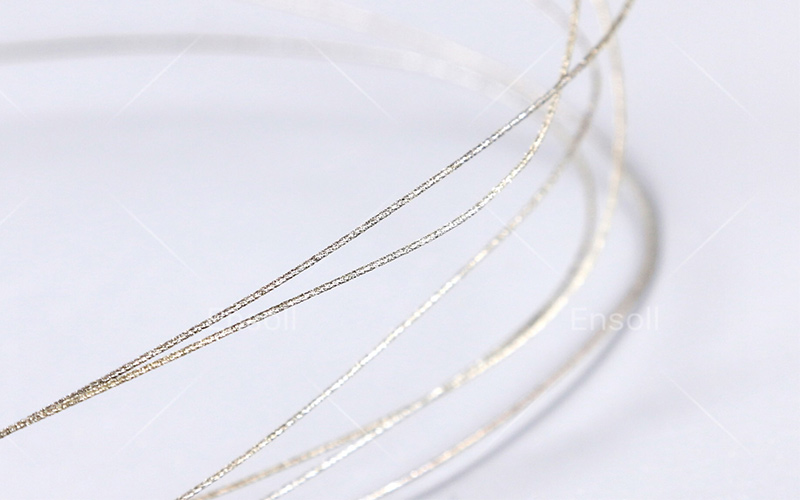
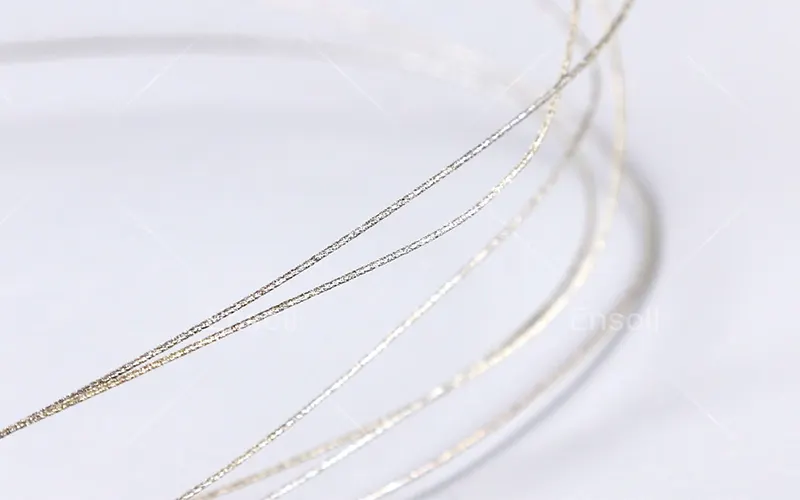
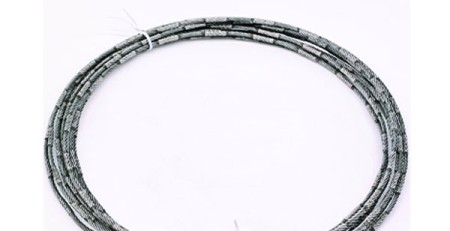
一个 金刚石线锯 是一种精密切割工具,使用嵌有工业金刚石颗粒的细钢丝切割坚硬材料. 与依赖刀片齿或磨料盘的传统锯不同, diamond wire saws cut through a grinding action—each diamond particle acts as a microscopic cutting tooth.
How a Diamond Wire Saw Works
The basic working principle involves four key elements:
The Diamond Wire
A high-strength steel wire, typically ranging from 0.2 mm to 2.0 mm in diameter, is coated with diamond grit through either electroplating or resin bonding. The diamond particles are uniformly distributed along the wire length.
High-Speed Rotation
The diamond wire is mounted on a set of pulleys and rotated at a typical speed of 4 毫米/分钟, generally producing one slice per minute for efficient material removal.
Material Contact and Grinding
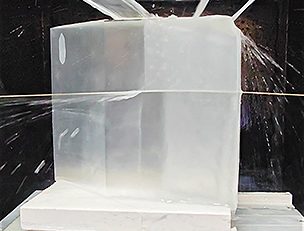
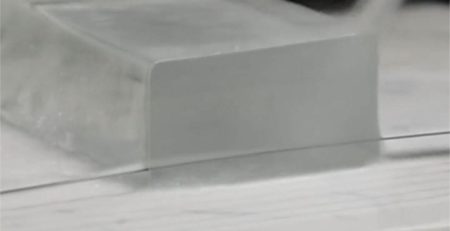
The rotating diamond wire is brought into contact with the ferrite workpiece. Each diamond particle grinds away microscopic particles of ferrite, creating a smooth, precise cut.
CNC-controlled diamond wire saws follow programmed cutting paths with precision measured in ±0.01 mm. Once the optimal cutting parameters are established, every part comes out identical to the last.
6. Long Tool Life
A single金刚石线环can cut for hours of continuous operation before the diamond grit wears out. When the wire does wear, replacement is quick and inexpensive.
7. No Material Contamination
Unlike abrasive slurry cutting, which can leave residue on the workpiece, diamond wire cutting uses clean water-based coolant. Ferrite components emerge free from contaminants that could affect subsequent processing or final performance.
Diamond wire saw technology has fundamentally changed how manufacturers approach ferrite cutting. The combination of zero edge chipping, minimal heat generation, thin kerf, and excellent surface finish makes it the ideal choice for processing these challenging ceramic materials.
Whether you are producing transformer cores, 永磁材料, EMI suppression components, or custom ferrite parts for specialized applications, a diamond wire saw delivers results that conventional methods simply cannot match.
The initial investment in equipment is offset by reduced material waste, elimination of post-processing steps, and consistently high-quality output. As ferrite components continue to play an essential role in modern electronics, renewable energy, and electric vehicles, diamond wire saw cutting will remain a critical enabling technology.
Ready to improve your ferrite cutting process? Start by evaluating your typical part geometries, production volumes, and quality requirements. Then consult with diamond wire saw manufacturers to select the system that best fits your needs.
Have questions about金刚石线锯cutting for ferrite or other hard materials?Contact our teamof precision machining specialists for expert guidance.
常见问题
What is the best way to cut ferrite?
金刚石线锯切割. The diamond-coated wire grinds the ceramic away with evenly distributed, 低力, eliminating the edge chipping and thermal cracking that blades and grinding wheels cause. Endless-loop machines are preferred for production volumes.
Why is ferrite so difficult to machine?
Ferrite combines high hardness (莫氏硬度 5-7) with glass-like brittleness and low tensile strength. Concentrated cutting pressure causes micro-fractures, its poor thermal conductivity lets heat build up and crack the part, and its hardness wears conventional tools rapidly.
Does diamond wire cutting damage ferrite’s magnetic properties?
不. Material is removed in tiny increments at high wire speed with continuous coolant flow, so very little heat enters the workpiece. There is no thermal cracking and no degradation of magnetic performance.
How much material can diamond wire save compared with blades?
通常 30-50%. The kerf of a 0.2-0.6 mm diamond wire is far narrower than the 1.5-3.0 mm kerf of abrasive blades, so significantly more parts come out of the same ferrite block.

 What Is Ferrite? Understanding the Material