钕铁硼: 深度理解指南
- NdFeB magnets are built from three elements with distinct roles: neodymium supplies the magnetic strength, iron stabilizes the structure and domains, and boron raises coercivity against demagnetization.
- Their strength-to-size ratio makes them the default magnet for electric motors and generators, 磁选机, audio equipment and MRI systems.
- Manufacturing is demanding: neodymium is a scarce rare earth, the alloy is brittle (shaped by powder metallurgy and sintering or cut with a diamond wire loop), and the iron content makes corrosion protection mandatory.
- Nickel or epoxy coatings solve the corrosion problem, while the magnet’s own strength complicates handling — tooling and assembly must account for powerful attraction to steel.
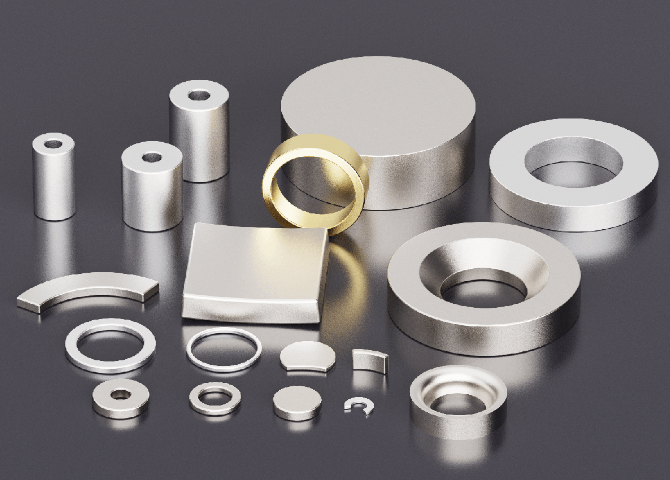
在现代技术和工程领域, 磁铁在各种应用中起着至关重要的作用. 在众多类型的磁铁中, 一个因其非凡的强度和多功能性而脱颖而出: 钕铁硼, 钕铁硼的简称. 在这篇博文中, 我们将深入探索钕铁硼磁铁的迷人世界, 探索它们的组成, 性能, 和广泛的应用.
Machining is where most yield is lost — the practical steps are set out in our guide on how to cut neodymium magnets.
钕铁硼磁铁的组成:
钕铁硼磁铁, 也称为钕铁硼磁铁, 由独特的元素组合组成,这些元素有助于其卓越的磁性. 钕铁硼磁体的组成由三个主要元素组成: 钕 (Nd的), 铁 (铁), 和硼 (乙).
钕:
稀土元素, 是为钕铁硼磁铁提供卓越强度的关键成分. 它具有高磁矩, 这意味着它具有强大的磁场. 这一特性使钕铁硼磁体能够产生强大的磁力.
铁:
另一个重要组成部分, 有助于NdFeB磁体的稳定性和结构. 它有助于在很宽的温度范围内保持磁铁的磁性. 铁还有助于对齐磁铁内的磁畴, 提高其整体磁性能.
硼:
构图中的第三个元素, 在提高钕铁硼磁体的磁性能方面起着至关重要的作用. 它有助于增加矫顽力, 这是磁铁抵抗退磁的能力. 硼的添加使NdFeB磁体即使在存在外部磁场的情况下也能保持其磁化强度.
值得注意的是,钕铁硼磁体的成分可能因具体应用和所需的磁性而有所不同. 不同比例的钕, 铁, 和硼, 以及添加其他元素或合金, 可用于微调磁铁的特性以满足特定要求.
用途广泛:
钕铁硼磁体的独特性能使其在各种行业和技术中不可或缺. 一些值得注意的应用包括:
- 电动机和发电机: 钕铁硼磁体由于其高磁效率而广泛用于电动机和发电机. 它们使电机能够以更高的速度运行,同时保持紧凑的尺寸, 使它们成为电动汽车的重要组成部分, 风力涡轮机, 和工业机械.
- 磁性分离器: 钕铁硼磁铁用于磁选过程,以分离和去除矿物等材料中的含铁污染物, 塑料, 和食品. 它们的强磁场确保了高效和精确的分离.
- 音响设备: 钕铁硼磁铁常见于扬声器和耳机中, 提供清晰有力的声音再现. 它们体积小,磁场强,能够生产紧凑、高保真的音频设备.
- 磁共振成像 (核磁共振成像): 钕铁硼磁铁用于 MRI 机器中,以产生用于医学成像的强磁场. 其卓越的磁性有助于获得准确和详细的成像结果.
制造挑战:
尽管它们具有出色的磁性, 钕铁硼磁铁的制造提出了一些需要解决的挑战. 这些挑战既来自磁体的组成,也来自所涉及的各个元素的特性.
- 制造钕铁硼磁体的主要挑战之一是钕的采购和提取, 这是一种稀土元素. 钕储量有限, 它们的提取涉及复杂且对环境敏感的过程. 各行业对钕的需求, 包括钕铁硼磁体的生产, 需要负责任的采购实践和努力,以尽量减少对环境的影响.
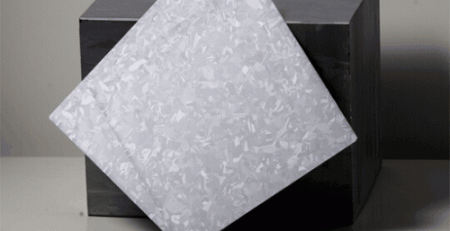
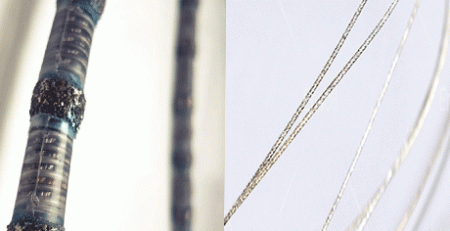
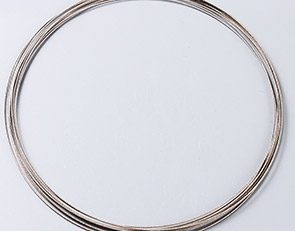
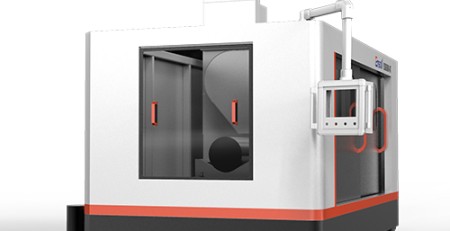
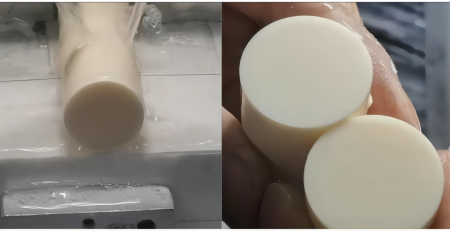
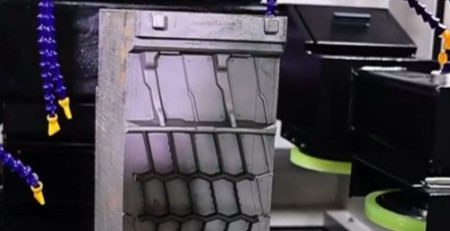
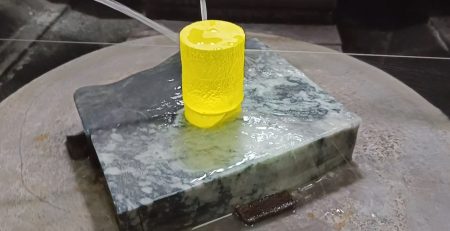
- 此外, 钕铁硼磁体的生产涉及处理和加工脆性材料. 钕和硼是特别脆的元素, 使制造过程变得微妙,需要小心处理,以防止损坏磁铁. 专业技术, 如粉末冶金和烧结, 用于将磁铁塑造和形成其所需的配置。或者, 钕铁硼磁铁可以使用以下方法切割成所需的形状 金刚石线环
- 另一个挑战是钕铁硼磁体对腐蚀的敏感性. 铁, 钕铁硼磁体的主要成分之一, 当暴露在潮湿和某些环境中时容易氧化. 缓解此问题, 保护涂层或镀层, 如镍或环氧树脂, 应用于磁铁,以增强其耐腐蚀性并提高其整体耐用性.
- 钕铁硼磁体的高磁性强度在制造过程中也带来了挑战. 磁铁可以吸引并附着在金属表面上, 使处理和装配更加复杂. 专用工具和设备, 以及仔细的磁化程序, 需要确保精确的磁体放置并防止意外的磁体相互作用.
结论:
钕铁硼磁铁以其非凡的磁性彻底改变了各个行业. 他们巨大的力量, 加上多功能性, 使它们在从电动机和发电机到音频设备和医疗成像的应用中不可或缺. 随着技术的不断进步, 毫无疑问,钕铁硼磁铁将在塑造我们的现代世界方面发挥越来越重要的作用
常见问题
What are NdFeB magnets made of?
Three main elements: 钕, which provides the high magnetic moment behind their strength; 铁, which stabilizes the structure and aligns magnetic domains; 和硼, which raises coercivity so the magnet resists demagnetization. Ratios and alloying additions are tuned per application.
Why are NdFeB magnets so strong?
Neodymium has a very high magnetic moment, and the Nd-Fe-B crystal structure aligns that moment efficiently. The result is the highest strength-to-size ratio of any commercial permanent magnet, which is why they dominate compact motors, headphones and MRI hardware.
Why do NdFeB magnets need a coating?
Their high iron content oxidizes readily in moist environments. Protective plating such as nickel, or epoxy coatings, prevents corrosion and preserves both the magnet’s structure and its magnetic performance over time.
How are NdFeB magnets shaped and cut?
Blanks are formed by powder metallurgy and sintering because the alloy is too brittle for conventional machining. Finished shapes are then cut with a diamond wire loop, which slices the hard, brittle material cleanly without cracking or heat damage.
Reviewed by the Ensoll engineering team.