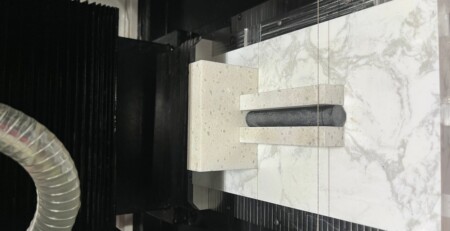
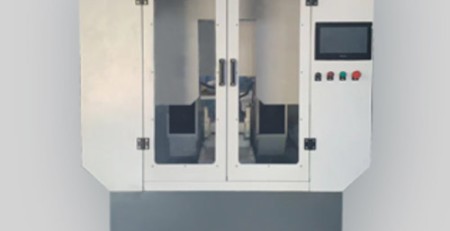
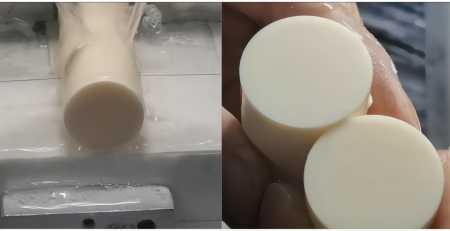
精度在 陶瓷 瓷砖切割至关重要. 探索使用 Diamond Wire Loops 的艺术性, 一种融合创新与精细手法的技术, transforming tiles into exquisite works of art.
关键要点
Ceramic tiles need precision cutting for special shapes, 定制设计, 马赛克图案连续性, 高端项目, 易碎的薄瓷砖或大尺寸瓷砖, 以及艺术装置.
金刚石线圈是精密陶瓷瓷砖切割最合适的工具, 提供无与伦比的精确性和干净、, 无碎屑切割.
主要优势: 在脆弱瓷砖上的精度, clean cuts without chipping, versatility for curves and patterns, high efficiency with minimal material waste, low maintenance, and smooth edges.
Applications span architectural projects, interior design, commercial spaces, residential elegance, art installations, heritage restoration, and industrial surfaces.
The diamond-coated wire is durable and cost-effective over time because it requires minimal maintenance while holding cut quality.
Tile formats behave differently from technical grades, but the tooling logic described in精密切割氧化铝is the same starting point.
有些陶瓷砖由于各种原因需要精确切割:
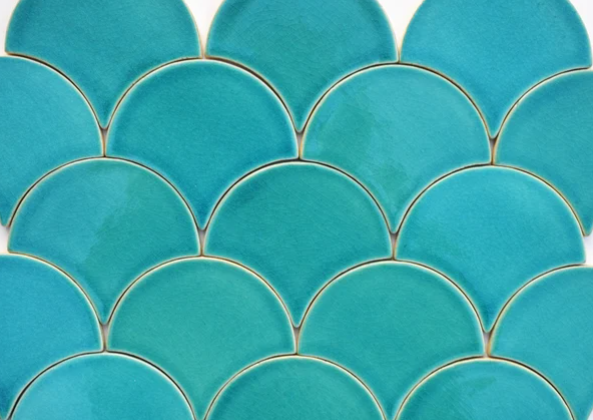
特殊形状: 像曲线或角度等复杂形状的瓷砖需要精确切割以实现无缝安装.
定制设计: Tailored designs often demand accurate cuts to maintain design integrity.
精度: 金刚线环提供无与伦比的精度, ensuring accurate cuts even on the most delicate ceramic tiles.
干净的切割: The diamond-coated wire ensures clean cuts without chipping or damage, resulting in a flawless finish.
多面性: Diamond wire loop cutting is versatile, allowing for intricate designs, 曲线, and patterns to be executed with ease.
效率: This method is highly efficient, enabling swift and precise cutting of ceramics, saving time and minimizing material waste.
低维护: Diamond wire loops are durable and require minimal maintenance, making them a cost-effective choice for precision ceramic cutting.
Smooth Edges: The cutting process with diamond wire loops produces smooth edges, enhancing the overall aesthetic appeal of ceramic installations.
切割显示:
Precision cutting of ceramic tiles serves various purposes in construction and design:
Architectural Excellence:In architectural projects, precise tile cutting ensures that designs are executed with meticulous detail, enhancing the overall aesthetics of buildings and spaces.
Interior Design Innovation:Interior designers leverage precision cutting to create intricate tile layouts that serve as focal points or accent features, adding character and sophistication to interiors.
Commercial Applications:In commercial settings such as hotels, restaurants, and retail spaces, precision-cut ceramic tiles contribute to a polished and professional ambiance, reflecting attention to detail and quality.
Residential Elegance:Precision-cut tiles in residential settings elevate the visual appeal of kitchens, bathrooms, and living areas, transforming ordinary spaces into stylish and luxurious environments.
Art Installations:Artists and craftsmen utilize precision cutting techniques to produce stunning tile murals, sculptures, and installations that blend creativity with technical precision, 为公共空间和展览增添艺术价值.
用精密切割的瓷砖提升您的空间,让您的想象力尽情驰骋. 拥抱精准之美, 定制设计的魅力, 以及能够反映您独特风格和愿景的空间承诺. Contact us today to bring your dream project to life with precision-cut ceramic tiles that redefine excellence and leave a lasting impression.
常见问题
What is the best tool for precision cutting ceramic tiles?
The diamond wire loop cutting technique is considered the most suitable method. The diamond-coated wire delivers unmatched precision and clean cuts without chipping, making it ideal for intricate ceramic cutting tasks such as curves, angles and mosaic patterns.
Why do ceramic tiles need precision cutting?
Precision is required when tiles have intricate shapes like curves or angles, when custom designs must be preserved, when patterns or mosaics need visual continuity, and when thin or large-format tiles would break if cut inaccurately. High-end and artistic installations also depend on flawless cuts.
Does diamond wire loop cutting chip ceramic tiles?
不. The diamond-coated wire ensures clean cuts without chipping or damage, producing a flawless finish and smooth edges that enhance the overall aesthetic of the installation.
Where is precision-cut ceramic tile used?
Applications include architectural projects, interior design focal points, commercial settings such as hotels and retail spaces, residential kitchens and bathrooms, art installations and murals, heritage restoration that replicates historical patterns, and industrial surfaces that must withstand heavy use.