薄膜太阳能切割: 金刚石线环表现卓越
- 薄膜光伏材料如 CdTe, CIGS和非晶硅需要精密切割,避免热损伤和机械损伤.
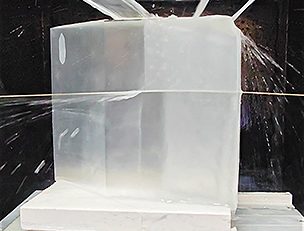
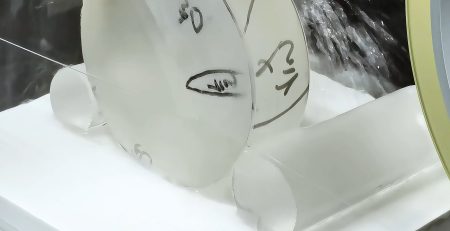
- 钻石线环在脆性薄膜堆上优于激光和刀片: 它是一种冷切割, 窄缝加工且边缘干净.
- 钻石线环切割应用于 CdTe 模块, CIGS 和非晶硅面板, 并被定位为先进光伏切割的未来.
随着先进薄膜光伏技术的发展,太阳能行业持续演变 (光伏) 这些技术提供更高效率和更低生产成本. 其中, 碲化镉 (CdTe), 铜铟镓硒 (CIGS), 和非晶硅 (a-Si) 成为下一代太阳能电池板的关键材料.
然而, 制造高性能薄膜太阳能电池需要精密切割以尽量减少材料浪费并保持结构完整性. 虽然存在各种切割方法, 金刚石切割线环 technology has emerged as the most efficient solution for thin-film semiconductors.
 本博客探讨了:
✔ Why thin-film solar materials need precision cutting
✔ Comparison of cutting technologies
✔ Why diamond cutting wire loop is the best choice
✔ Industry applications and future trends
Thin-film stock fails for the same reason thin wafers do — see the yield notes under the wafer cutting process.
Why Thin-Film Solar Materials Require Precision Cutting
Thin-film solar cells are significantly thinner (1–4 µm) than traditional 硅片, making them more challenging to cut without damage. Key challenges include:
- 最小切缝损失要求
– 薄膜材料成本高昂; 减少浪费对于成本效率至关重要.
– 传统锯切会产生 >200 微米级切缝损失, 而金刚石线环可以实现 <100 微米.
- 需要高质量边缘处理
– 粗糙的边缘会因复合损失增加而降低电池效率.
– 激光切割可能导致热损伤, 降低性能.
- 大规模生产的可扩展性
– 薄膜太阳能制造需要高产量切割且不牺牲质量.
薄膜太阳能材料的切割技术
| 方法 | 优点 | 缺点 | 适用范围 |
| 机械刻划 | 成本低 | 断裂率高 | 实验室规模研发&D |
| 激光切割 | 高精度 | 热影响区 (HAZ 系列) | 小规模生产 |
| 超声波切割 | 应力最小 | 加工速度慢 | 柔性基板 |
| 金刚石切割线环 | 无热影响区, 高速, 低切缝损失 | 初期投资高 | 大规模生产 |
为什么金刚石线切割环优于其他方法
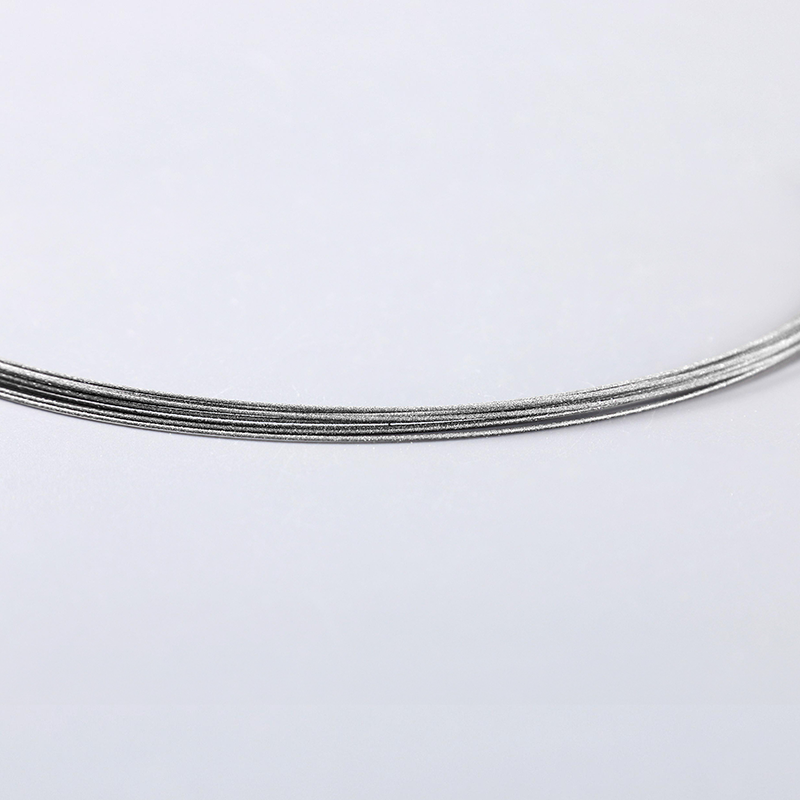
– Achieves 50–80 µm kerf width, preserving more active material.
– 30% higher material yield vs. laser/mechanical methods.
- 冷切割工艺 (No Heat Damage)
– Unlike lasers, diamond wire loops do not generate heat, preventing:
– Thermal stress cracks in CdTe
– Layer delamination in CIGS & a-Si
3. Superior Edge Quality
– 表面粗糙度 <0.5 微米 (与. 2–5 µm with lasers).
– Smoother edges = higher cell efficiency (为止 1.5% gain).
4. High-Speed Production
– Automated wire systems reduce downtime.
5. Lower Operational Costs
– No consumable slurry (unlike abrasive saws).
Applications in Thin-Film Solar Manufacturing
1. CdTe Solar Modules
– 挑战: CdTe is brittle and sensitive to thermal stress.
– 溶液: Diamond wire loops provide clean, crack-free cuts for high-throughput CdTe panel production.
2.CIGS Flexible Solar Cells
– 挑战: Delamination risk during cutting.
– 溶液: Low-tension diamond wire prevents layer separation.
3. a-Si Thin-Film Panels
– 挑战: Poor mechanical strength leads to edge defects.
– 溶液: Polished diamond wires ensure smooth, defect-free edges.
未来趋势: Diamond Wire Loops in Advanced PV
- 更薄的晶圆 (0.5–1 µm) – Diamond wire tech is adapting for ultra-thin films.
- AI-Optimized Tension Control – Further reducing breakage rates.
结论: Diamond Cutting Wire Loop is the Future
For thin-film solar materials (CdTe, CIGS, a-Si), diamond cutting wire loop technology delivers:
✅ Highest material yield (lowest kerf loss)
✅ No thermal damage (critical for thin films)
✅ Production-scale speeds
✅ Long-term cost savings
As the solar industry shifts toward higher-efficiency thin-film PV, manufacturers adopting diamond wire cutting will lead in quality, 效率, and profitability.
常见问题
Why do thin-film solar materials need special cutting methods?
Thin-film stacks are layered and brittle. Heat or excessive force causes delamination and cracking that directly reduce module efficiency.
Can diamond wire loop cut CdTe and CIGS materials?
是的. Its cold micro-grinding action is well suited to brittle compound semiconductors and produces clean edges without a heat-affected zone.
Diamond wire loop versus laser for thin-film cutting?
Laser cutting risks delamination and heat damage in layered thin-film structures, while diamond wire loop gives damage-free edges at production quality.
技术内容由Ensoll工程团队审核——一家金刚线环制造商 10+ 多年生产经验.