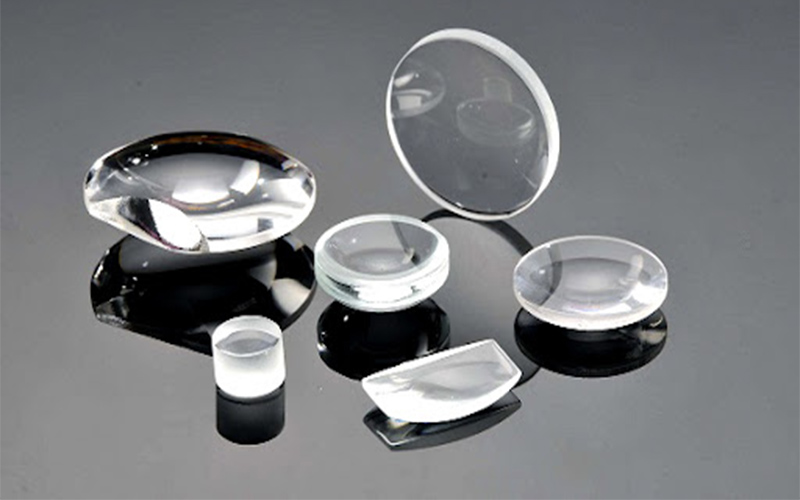
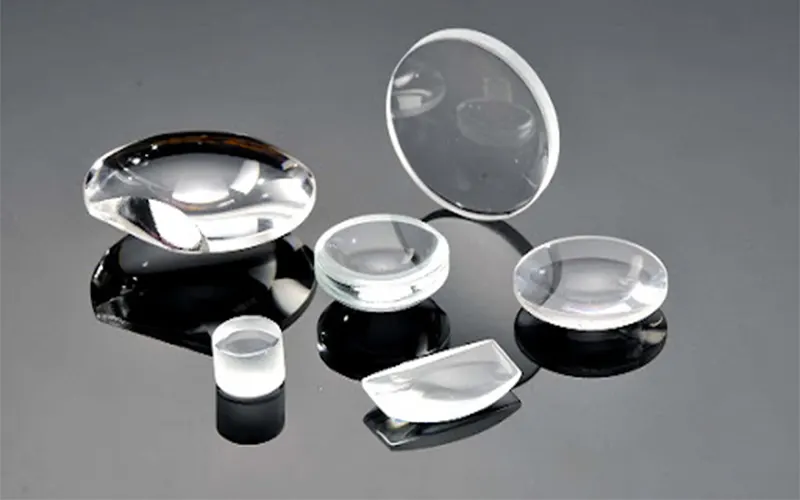
Optical glass is manufactured from a precise composition of silicates and metal oxides for high transparency and minimal light dispersion, 具有高折射率, 低热膨胀和优异的稳定性.
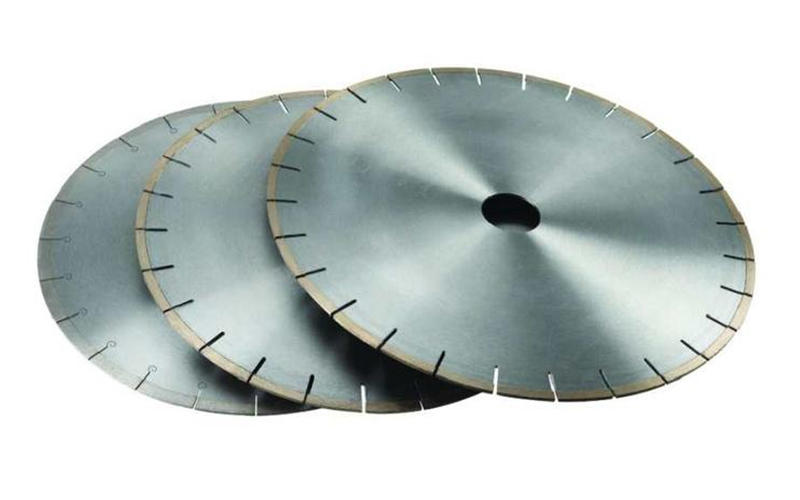
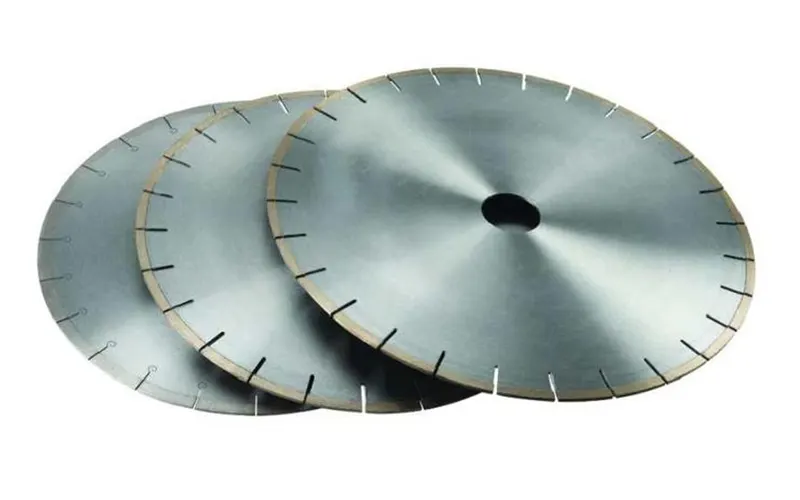
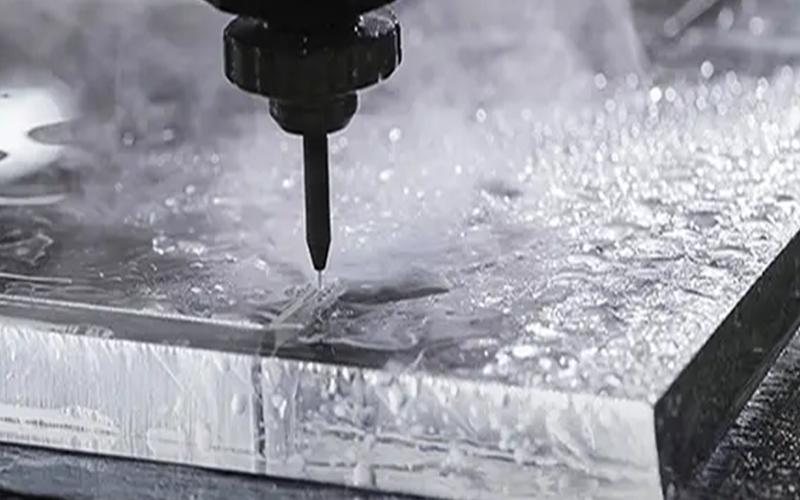
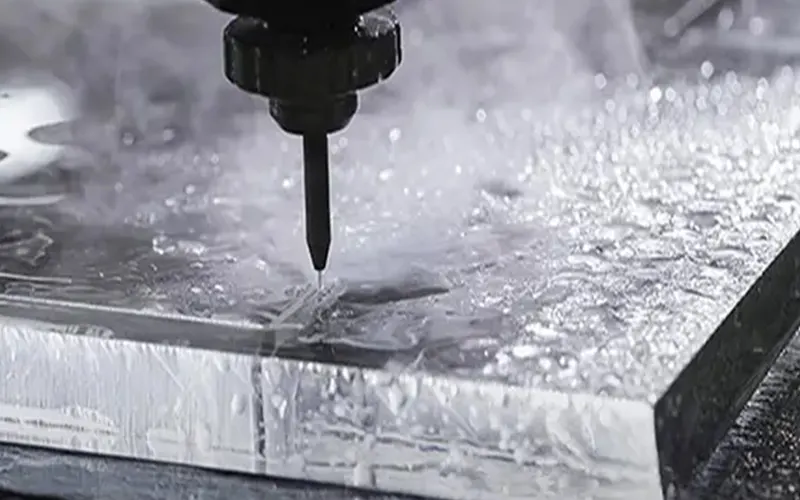
机械切割适合大规模生产,但会留下粗糙边缘; 金刚石刀片可实现精确干净的切割,但成本高且易磨损; wire sawing minimizes material loss with smooth surfaces but is slower; water jet avoids thermal damage but leaves slightly rougher edges.
Choosing a method depends on material properties, precision requirements, surface quality targets, production scale and cost.
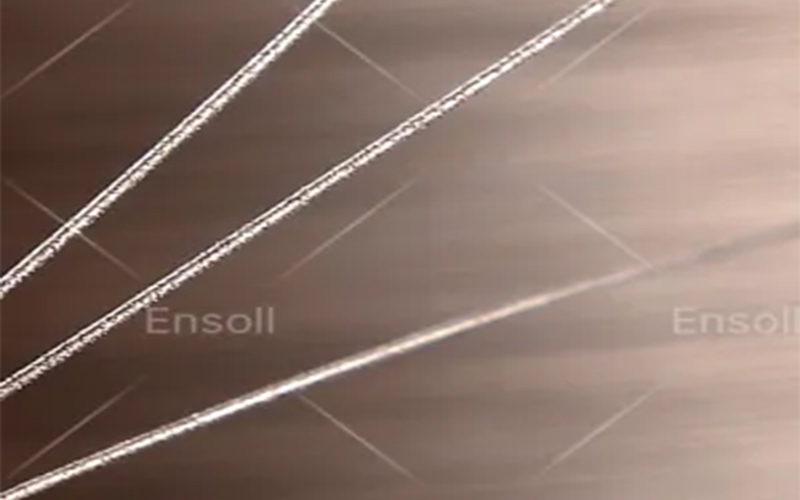
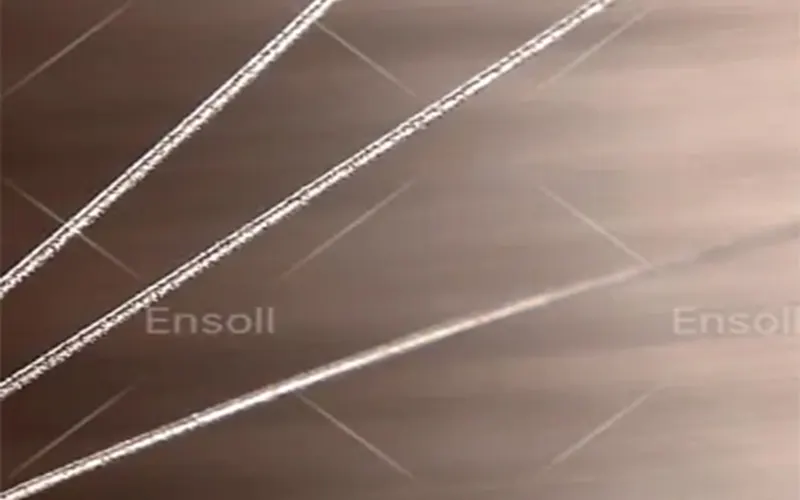
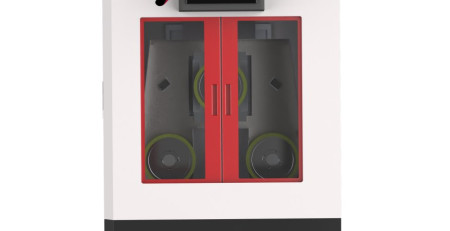
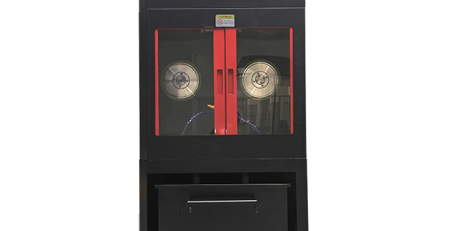
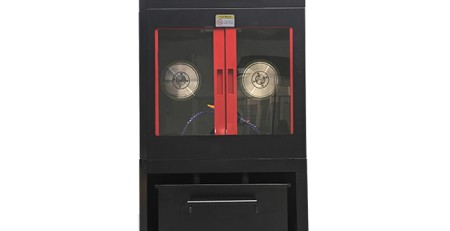
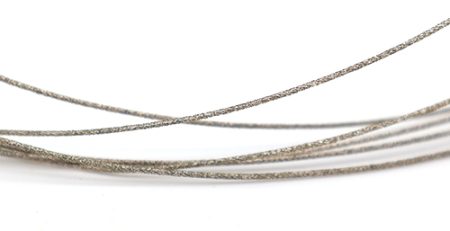
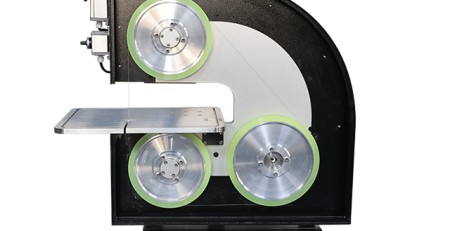
Diamond wire saw cutting is ideal for slicing large blocks or ingots into thinner slices with high precision and minimal kerf loss.
Based on the aforementioned understanding of光学玻璃切割, 如果您对切割技术有任何其他疑问, 请随时与我们联系. 我们拥有自己的研发团队,是行业领先的制造商. 我们可以根据您的切割需求提供量身定制的ODM服务. 我们很高兴收到您的来信,并准备提供我们的全力支持. For the full parameter set behind this overview, see our dedicated guide to光学玻璃切割.
常见问题
什么是光学玻璃?
Optical glass is a glass specifically designed for optics, manufactured from a precise composition of silicates and metal oxides to ensure high transparency and minimal light dispersion. Its high refractive index, low thermal expansion and chemical and mechanical stability make it essential for lenses, 棱镜, photography, 显微术, telescopes and laser technology.
What are the main methods for cutting optical glass?
Four main methods: mechanical cutting with saws or cutters, which is efficient for large-scale production; 金刚石刀片切割, which gives precise and clean cuts; 金刚石绳锯切割, which slices large blocks with minimal material loss and smooth surfaces; and water jet cutting, which avoids thermal damage and handles various shapes and thicknesses.
How do I choose the right optical glass cutting method?
Weigh five factors: the material’s hardness, brittleness and thermal sensitivity; the precision level required; the desired surface finish of the cut edges; the production scale and throughput; and the total cost including equipment, maintenance and consumables.
What are the pros and cons of diamond wire saw cutting for optical glass?
它是将大块或锭高精度切割成更薄的切片的理想选择, minimal material loss and smooth surfaces. The trade-offs are that it can be slower than other methods and requires careful process control to prevent wire breakage.