革命性的工业材料切割方法
高效的材料切割方法在各个行业中发挥着关键作用, 显著影响生产力和质量. 在这篇博文中, 我们深入探讨切割技术的发展及其对工业流程的变革性影响.
附加切割方法:
传统切割方法长期以来一直是材料加工的基础技术. 手工切割, 使用锯子和剪刀等手工工具, 体现了材料成型的工艺化方法.
虽然有效, 但这些方法在精度上常常不足, 导致不规则切割和材料浪费. 对人工技能和体力的依赖限制了切割过程的速度和一致性.
随着工业的发展, 传统方法的低效性变得明显, 推动了现代化的需求以满足当代制造工艺的要求.
先进切割技术的出现:
诸如激光切割等先进切割技术的引入, 水刀切割, 和 金刚石线环切割 为材料加工方法开辟了一个新时代. 每一种切割技术都带来了独特的优势和能力, 改变了工业操作的格局.

激光切割:
激光切割是一种非接触的热加工技术,利用高能量密度的激光束精确地分离材料. 它通过透镜将激光束聚焦到一个极小的点上, 使被照射的材料瞬间熔化, 蒸发, 或达到其燃点. 同时, 高速气流将熔融材料吹走, 从而形成干净而精确的切缝.
- 核心原理: 该过程本质上涉及将高功率激光的能量集中到一个点上, 迅速将材料的局部温度提高到其相变阈值. 材料去除是通过辅助气体的协同作用实现的 (例如氧气, 氮气, 或空气).
- 主要特点: 它具有显著优势,包括高精度 (高达±1毫米), 高效率, 优异的切割质量, 非接触加工 (避免机械应力), 高灵活性 (能够快速切换切割模式), 以及广泛的材料适应性.
- 工艺流程: The workflow begins with designing or importing the cutting path in computer software and setting parameters like power, 速度, and gas pressure. The equipment’s motion system then moves the cutting head or worktable along the designated path. The laser beam is activated and deactivated on command, synchronously performing actions such as piercing, 切削, and rapid traversal.
- Typical Applications: It is extensively used in demanding fields such as metal processing (例如, sheet metal parts, automotive components), precision machinery, signage and advertising, apparel and leather goods, electronic components, 和航空航天. Laser cutting stands as an indispensable key technology in modern manufacturing.
水射流切割:
Waterjet cutting employs a high-pressure stream of water mixed with abrasive particles to slice through materials. This method is known for its versatility, as it can cut through a wide range of materials, 包括金属, 塑料, 陶瓷, 和复合材料. Waterjet cutting is valued for its ability to produce smooth edges without heat-affected zones, making it ideal for materials sensitive to high temperatures. The non-invasive nature of waterjet cutting also reduces material distortion and minimizes waste
金刚石线环切割:
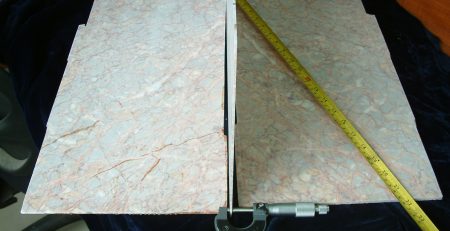
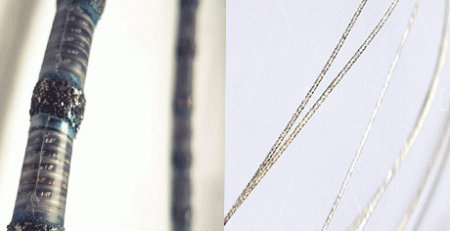
金刚石线环切割 involves the use of a wire embedded with diamond particles to saw through hard materials with precision. This method is particularly effective for cutting through materials like stone, 玻璃, 和复合材料. The diamond wire loop cutting process ensures clean and accurate cuts, making it a preferred choice for applications requiring intricate detailing and minimal material loss. Its efficiency and effectiveness in handling tough materials have made it a popular choice in various industries.
Automation and Robotics in Cutting:
Automation and robotics have seamlessly integrated into material cutting processes, enhancing efficiency, repeatability, 和安全. Industries are embracing automated cutting systems to streamline operations and ensure consistent quality output.
- CAD/CAM Software Precision: Digitalization has transformed material cutting processes through the utilization of Computer-Aided Design (CAD) and Computer-Aided Manufacturing (CAM) software. These tools allow for the precise design and programming of cutting paths with meticulous detail. By digitally creating cutting patterns and instructions, manufacturers can achieve intricate designs and complex shapes with unparalleled accuracy, surpassing the limitations of manual methods.
- Real-Time Monitoring Advantages: The integration of digital technologies enables real-time monitoring of cutting operations. 通过传感器和互联系统, 操作员可以即时跟踪切割过程的进展. 实时数据反馈提供对机器性能的洞察, 材料利用率, 以及潜在问题, 从而允许快速调整和优化以提高整体效率和生产力.
- 用于增强控制的数据分析: 数据分析在优化切割过程中发挥着重要作用. 通过收集和分析切割操作中生成的数据, 制造商可以获得关于性能指标, 材料使用情况, 以及操作效率的宝贵见解. 这种数据驱动的方法使得信息决策成为可能, 促进过程改进和调整,以最大化切割精度并最小化浪费.
- 过程控制与决策: Digitalization empowers operators with enhanced process control capabilities. By leveraging CAD/CAM software and real-time monitoring systems, operators can closely manage cutting parameters, adjust settings on-the-fly, and ensure adherence to predefined cutting specifications. This level of control not only enhances cutting precision but also enables operators to make informed decisions in real-time, leading to optimized cutting processes and superior quality outcomes.
Challenges and Opportunities:
The adoption of new cutting technologies presents challenges such as initial costs and skill requirements. 然而, the opportunities for customization, sustainability, and waste reduction are driving industries to embrace modern cutting methods for long-term benefits.
Future Trends in Material Cutting:
展望未来, 材料切割的未来正准备迎来进一步的创新. 人工智能驱动的预测性维护, 增材制造, 以及材料科学和纳米技术的进步将重塑切割行业, 提供新的可能性和效率.
结论:
综上所述, 工业材料切割方法的改革是通向效率的持续旅程, 精度, 和可持续性. 拥抱现代切割技术并紧跟不断变化的趋势,对于行业在当今动态制造环境中保持竞争优势至关重要.