珠宝制作是一种存在了数千年的艺术形式. From ancient lapidaries shaping gemstones by hand to modern craftsmen working with precision equipment, the goal has always been the same: to reveal the beauty hidden within rough materials while preserving as much value as possible. Today, a new tool is transforming how jewelers approach their craft—金刚石钢丝环的运行寿命.
关键要点
A diamond wire loop is a continuous, closed-loop wire electroplated with industrial diamond particles that moves in one constant direction, unlike reciprocating saw blades.
Its thin kerf removes very little material per cut, which is critical when every gram of gemstone, jade or precious metal represents revenue.
The gentle, continuous grinding action creates no shock or vibration, so brittle stones such as emeralds and opals are far less likely to crack during cutting.
Because the wire is thin and flexible, it can follow curves, enabling nested shapes, internal cutouts and complex silhouettes that straight-cut blades cannot produce.
Wire selection matters: finer wires suit intricate work on small gemstones, thicker wires with aggressive coatings shape rough jade faster, and thread-coated wires flush debris better for dry cutting.
Jade is the hardest of the common jewellery stones to cut cleanly, which is why we keep a separate guide onhow to cut jade.
What Is a Diamond Wire Loop?
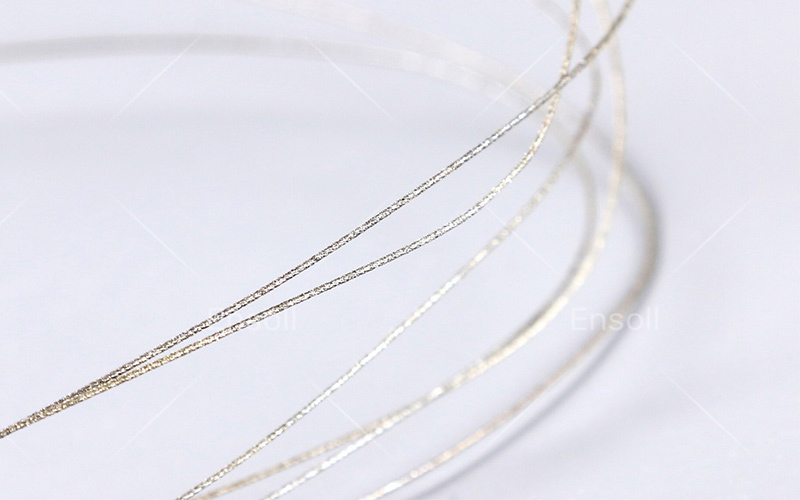
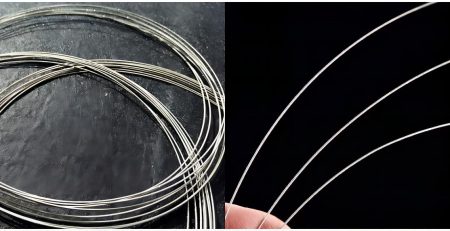
一个 金刚石线环is a continuous, closed-loop wire coated with industrial diamond particles. Unlike traditional saw blades that use a back-and-forth motion, the loop design allows the wire to move continuously in one direction. This simple but powerful difference changes how the tool interacts with materials.
The wire itself is thin and flexible, yet incredibly strong thanks to its steel or tungsten core. Diamond particles are bonded to the wire surface through electroplating, creating what is essentially a flexible file that can cut in straight lines or follow curves. The loop is mounted on pulleys that keep it tensioned and moving, while the operator guides the material into the wire.
Why Jewelers Are Turning to Diamond Wire Loops
Working with precious materials comes with unique challenges. Gemstones, 玉, 晶体, and even certain metals are valuable by weight. Every gram lost during cutting represents lost revenue. Traditional cutting methods—abrasive wheels, diamond blades, or even laser cutters—can remove more material than necessary or damage the workpiece.
The diamond wire loop addresses these concerns in several ways. First, the wire is thin, which means the cut itself removes very little material. This is especially important when working with expensive rough gemstones or jade boulders where maximizing yield is critical.
Second, the cutting action is gentle. Rather than pounding or hammering through material like some traditional tools, the diamond wire loop uses a continuous grinding action. Diamond particles abrade the material surface, gradually working through it without creating shock or stress that could cause cracking. For brittle materials like emeralds or opals, this gentleness can mean the difference between a usable stone and a pile of fragments.
Applications in Jewelry Making
Cutting Rough Gemstones
The journey of a宝石begins with a rough crystal or pebble. Before faceting or cabbing can begin, the rough material must be cut into manageable pieces. The diamond wire loop excels at this initial sizing operation. It can slice through sapphire, ruby, 石英, and other hard materials while maintaining a clean cut surface.
What makes this valuable is the ability to see what you are cutting. Traditional slab saws use enclosed chambers, making it difficult to follow color zones or avoid inclusions. The diamond wire loop’s open design allows operators to watch the cut progress, adjusting as needed to preserve the best material.
Shaping Jade and Nephrite
Jade presents special challenges. It is tough—meaning it resists breaking—but also prone to developing hidden cracks. The diamond wire loop allows jade cutters to follow natural contours and work around flaws without forcing the material. Because the cutting pressure remains consistent and low-vibration, hidden fractures are less likely to propagate.
For nephrite jade, which has a fibrous, interlocking crystal structure, traditional cutting tools can cause fuzzy or rough edges. The diamond wire loop produces cleaner surfaces that require less finishing work.
Cutting Precious Metals
WhileDiamond Wire Loops 钻石线环are best known for cutting hard, 脆性材料, they can also handle softer metals like gold and silver. This versatility makes the tool useful throughout the jewelry workshop. Craftsmen can use the same machine to slice metal sheet, cut intricate shapes, or separate cast pieces from sprues.
Creating Intricate Shapes
One of the most exciting applications is cutting curved or irregular shapes. Traditional saw blades cut in straight lines unless the material is turned. 金刚石线环, however, can cut in multiple directions because of its thin, flexible nature. This allows jewelers to create nested shapes, internal cutouts, and complex silhouettes that would be difficult or impossible with conventional tools.
How the Diamond Wire Loop Compares to Traditional Jewelry Cutting Tools
Compared to Diamond Blades
Diamond blades are common in lapidary workshops. They cut quickly and are relatively inexpensive. 然而, blades have thickness—often much thicker than diamond wire loops. That extra thickness translates directly into material loss. For a single cut, the difference may be small. For production work involving many cuts, the savings add up significantly.
Blades also generate more heat during cutting. While cooling fluids help, the friction of a spinning blade still creates a heat-affected zone near the cut surface. For heat-sensitive materials or stones with organic inclusions, this can cause discoloration or damage.
Compared to Traditional Wire Saws
Older wire saw designs use a long length of wire that spools back and forth. This reciprocating action creates vibration and can leave surface marks where the wire changes direction. The diamond wire loop eliminates this issue through continuous one-direction movement, resulting in smoother cut surfaces.
Compared to Laser Cutting
Laser cutting offers impressive precision but comes with significant heat input. For many gemstones, laser heat can cause color changes, surface melting, or internal fracturing. Lasers also require expensive equipment and specialized training. The diamond wire loop provides a simpler, lower-cost alternative that produces excellent results without thermal damage.
Protecting What Matters Most
For jewelers, the material being cut is not just inventory—it represents creativity, investment, and craftsmanship. Losing material to wide kerfs or damaged pieces to cracking is painful both financially and emotionally.
The diamond wire loop helps protect these valuable materials in several ways. The gentle cutting action reduces the risk of catastrophic failure during cutting. The narrow cutting path preserves more material for finished pieces. And the clean cut surfaces often require less grinding and polishing afterward, saving both time and additional material loss.
Environmental and Practical Benefits.
Modern jewelry workshops are increasingly conscious of their environmental impact. 钻石线环可以干切或使用最少的冷却液, reducing the need for cutting fluids that require disposal. For shops cutting materials that react poorly to water—such as certain types of opal or turquoise—dry cutting capability is essential.
The durability of diamond wire loops also means less frequent tool changes. A quality wire loop maintains its cutting ability over many uses, reducing downtime and consumable costs. This reliability is valuable for busy workshops where productivity matters.
Choosing the Right Diamond Wire Loop for Jewelry Work
Diamond wire loops come in different configurations suited for different tasks. For detailed, intricate work on small gemstones, finer wires are appropriate. These provide greater control and produce very narrow cut paths. For larger shaping operations on rough jade or agate, thicker wires with more aggressive diamond coatings offer faster cutting.
The coating pattern also matters. Full-coated wires have diamonds across the entire surface and work well for general cutting. Thread-coated wires have diamonds arranged in a spiral pattern, which helps remove cutting debris and works especially well for dry cutting applications.
结论
The diamond wire loop represents a thoughtful evolution in jewelry cutting technology. It addresses the specific needs of those who work with precious materials—preserving value, protecting delicate structures, and enabling creative shapes that were previously difficult to achieve.
For the small studio jeweler, a benchtop diamond wire loop machine opens new possibilities without requiring a massive investment. For larger production facilities, these tools deliver consistency and efficiency that improve the bottom line. And for the materials themselves—the gemstones, jades, 晶体, and precious metals—the diamond wire loop offers the gentlest possible path from rough to refined.
As jewelry making continues to blend traditional craftsmanship with modern technology, the diamond wire loop stands out as a tool that truly serves both the artist and the material.
常见问题
What is a diamond wire loop used for in jewelry making?
Four main applications: cutting rough gemstones such as sapphire, ruby and quartz into manageable pieces; shaping jade and nephrite along natural contours; slicing precious metals like gold and silver; and creating intricate curved shapes, nested forms and internal cutouts that conventional blades cannot achieve.
Can you cut precious metals with a diamond wire loop?
是的. Although best known for hard, 脆性材料, diamond wire loops also handle softer metals like gold and silver. A jeweler can use the same machine to slice metal sheet, cut intricate shapes or separate cast pieces from sprues.
Can a diamond wire loop cut dry?
是的. Diamond wire loops can run dry or with minimal coolant, which is essential for water-sensitive materials such as certain opals or turquoise, and it reduces the need for cutting-fluid disposal in the workshop.