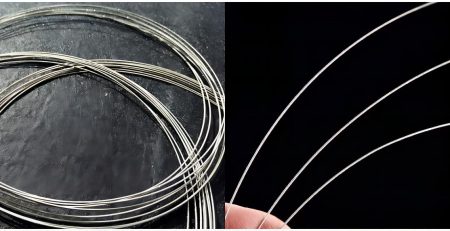
Петля из алмазной проволокитехнология резки революционизировала точную резку в производстве полупроводников и обработке материалов. This advanced method utilizes diamond-impregnated wires to achieve unparalleled cutting precision with minimal material loss. The technology primarily exists in two configurations: single-wire and multi-wire systems, each with distinct advantages and applications. As industries demand thinner wafers and higher productivity, understanding the differences between these approaches becomes crucial for manufacturers seeking to optimize their cutting processes. This comprehensive analysis examines the technical specifications, operational mechanisms, and industry applications of both single-wire and multi-wire diamond loop cutting systems, providing valuable insights for production optimization and technology selection.
Основные выводы
Single-wire diamond loop machines cut one workpiece zone at a time with a closed loop; multi-wire saws run many parallel wire strands for high-volume slicing.
Diamond wire loop wins on flexibility, contour cutting and lower machine cost; multi-wire wins on throughput for standardized wafer production.
Choice depends on batch size, material value, and whether you need straight slicing or shaped cuts.
1 Introduction to Diamond Wire Loop Cutting Technology
1.1 Fundamental Principles
Diamond wire loop cutting represents a significant advancement over traditional cutting methods in semiconductor and precision manufacturing. This technology employs a continuous loop of wire embedded with diamond abrasive particles to slice through various materials with exceptional accuracy . The diamond particles, firmly embedded in the wire’s surface, act as microscopic cutting tools that gradually abrade the material through a controlled process that minimizes mechanical stress and thermal damage .
The widest use of that principle isрезка кремниевых пластин, where kerf loss is measured directly against ingot cost.
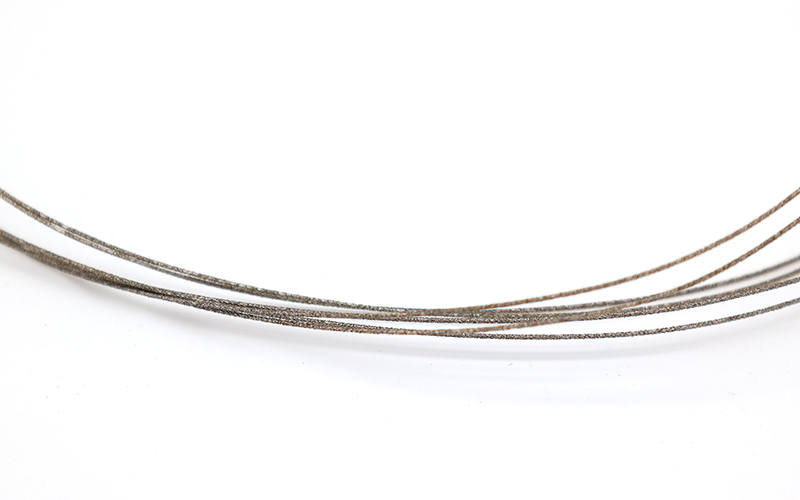
The fundamental components of aПетля из алмазной проволокиcutting system include several critical elements. The diamond-impregnated wire itself is specially engineered with industrial diamonds uniformly distributed and bonded to its surface . A precision guidance system consisting of sophisticated rollers and tensioning mechanisms maintains wire stability and alignment during operation . Передовые системы управления, typically Computer Numerical Control (ЧПУ), manage cutting parameters with exceptional accuracy , while integrated cooling systems manage temperature and remove debris from the cutting zone .
1.2 Historical Development and Industry Adoption
The evolution of diamond wire cutting technology has been driven by the semiconductor industry’s relentless pursuit of higher precision and efficiency. Traditional methods such as mechanical blade sawing and laser cutting presented significant limitations, including microcracks, thermal stress, and substantial material loss . The emergence of diamond wire solutions addressed these challenges directly, offering superior cutting performance with reduced kerf loss and minimal thermal impact .
Blade sawing loses on the same count inрезке керамики из алюмина, where the subsurface damage layer has to be ground away afterwards.
The transition from free abrasive slurry wire sawing to fixed abrasive diamond wire sawing (DWS) marked a pivotal technological shift in the industry . This development was particularly crucial as wafer thicknesses continued to decrease while diameter sizes increased, creating more demanding requirements for cutting precision and material conservation . сегодня, diamond wire loop cutting has become the dominant slicing technology for silicon wafers and numerous other semiconductor materials .
The parameter set behind that shift is documented in ourрезка кремниевых пластин руководстве. (ссылка 2 из 2)
2 Single-Wire Diamond Loop Cutting Technology
2.1 Working Principle and System Architecture
Single-wire diamond loop cutting machines utilize a single cutting wire to perform precision cutting operations . The fundamental working principle involves a continuous diamond-impregnated wire moving at controlled speeds while guided through target materials. The system maintains precise tension control to ensure cutting accuracy and prevent wire deflection or breakage .
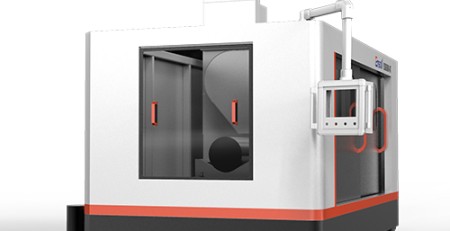
The architecture of single-wire systems is characterized by relative simplicity compared to multi-wire configurations. Key components include a primary drive system responsible for wire movement, a comprehensive tension control mechanism that maintains optimal wire tautness, a versatile workpiece clamping system that secures materials during processing, and a sophisticated motion control system that orchestrates the entire cutting operation . This streamlined design prioritizes flexibility and precision over high-volume throughput, making it ideal for specialized applications where cutting accuracy takes precedence over production volume.
2.2 Technical Advantages and Performance Characteristics
Single-wire diamond loop cutting systems offer several distinct technical advantages that make them indispensable for certain applications. Their exceptional flexibility enables the processing of complex shapes and contours that would be challenging for multi-wire systems . This capability is particularly valuable for prototyping and research applications where varied cutting paths are required.
The technology delivers superior cutting precision with accuracy levels reaching ±0.03mm or better, making it ideal for applications where minimal kerf loss and exact dimensional control are critical . Single-wire systems also demonstrate remarkable material versatility, effectively processing diverse materials including silicon, Арсенид галлия (GaAs), сапфир, and various ceramic substrates . The simplified operational workflow requires less extensive setup and calibration compared to multi-wire systems, reducing preparation time for smaller production runs . Дополнительно, these systems feature a compact physical footprint that requires less facility space, making them suitable for laboratory environments and smaller manufacturing facilities with space constraints .
That versatility extends to the hardest common substrate, где резки карбида кремнияrewards low, stable force over raw speed.
2.3 Applications and Use Cases
Single-wire diamond loop cutting finds extensive application across multiple industries where precision cutting of smaller volumes or complex shapes is required. In research and development laboratories, these systems enable sample preparation, prototype development, and experimental material processing . The medical device industry utilizes single-wire technology for manufacturing precision components, surgical tools, and specialized implants that demand exacting dimensional tolerances .
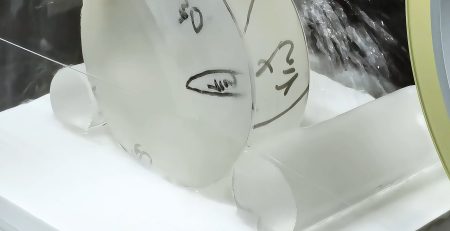
Optical substrates are a typical case, and the tolerances involved are set out underРезка оптического стекла.
The technology is particularly valuable for small-batch production of specialized components where rapid setup and changeover capabilities provide significant operational advantages . In the electronics and semiconductor sectors, single-wire systems perform intricate cutting tasks for specialized substrates, compound semiconductors, and low-volume production runs where multi-wire systems would be economically impractical . Дополнительно, the gemstone and precision optics industries leverage the exceptional accuracy and surface finish capabilities of single-wire diamond cutting for processing valuable materials where minimal kerf loss directly impacts profitability .
3 Multi-Wire Diamond Loop Cutting Technology
3.1 Working Principle and System Architecture
Multi-wire diamond loop cutting machines employ multiple cutting wires arranged in parallel to perform simultaneous cutting operations . This configuration enables mass production by processing multiple workpieces or large-area materials in a single operation. The working principle involves numerous diamond-impregnated wires spaced at precise intervals on a guidance system, creating a dense cutting network that operates concurrently .
The system architecture of multi-wire machines is substantially more complex than single-wire configurations. Critical components include an advanced guide wheel system that supports and drives multiple wires while ensuring uniform distribution and stable movement . A sophisticated tension control system maintains consistent tension across all wires, which is crucial for uniform cutting performance and preventing wire failure . The comprehensive workpiece clamping system secures large or multiple workpieces during processing, while the advanced motion control system coordinates the complex interaction of multiple cutting wires and workpiece movement . This integrated design prioritizes high-volume production efficiency over flexibility, making it ideal for large-scale manufacturing operations.
3.2 Technical Advantages and Performance Characteristics
Multi-wire diamond loop cutting systems offer compelling advantages for high-volume production environments. Their exceptional throughput capacity enables simultaneous processing of multiple workpieces or large-area materials, dramatically increasing production efficiency . This technology delivers superior production consistency across batches due to synchronized cutting parameters and conditions for all wires .
The optimized cost efficiency for mass production runs results from significantly reduced processing time per unit and lower labor costs relative to output volume . Multi-wire systems demonstrate exceptional capability for processing large-format workpieces that would be impractical or time-consuming with single-wire approaches . Дополнительно, these systems provide enhanced utilization of raw materials through optimized cutting patterns and simultaneous processing that minimizes setup-related waste .
Large-format optical substrates are the clearest example, and the waste arithmetic is covered in ourРезка оптического стекла руководстве. (ссылка 2 из 2)
3.3 Applications and Use Cases
Multi-wire diamond loop cutting technology has become the industry standard for numerous high-volume manufacturing applications. In the photovoltaic industry, these systems are extensively used for slicing silicon ingots into wafers for solar cells, where production volume and cost efficiency are critical competitive factors . The semiconductor industry employs multi-wire technology for mass production of silicon wafers for integrated circuit manufacturing, leveraging the capability to process multiple wafers simultaneously with consistent quality .
Measured results for the rod-slicing step itself – TTV, roughness and chipping on a phi330 mm rod – are reported in our study onprecision slicing of silicon rods.
The advanced materials sector utilizes multi-wire systems for large-scale processing of technical ceramics, glass substrates, and composite materials where dimensional consistency across multiple components is essential . В электронной промышленности, these machines produce multiple components simultaneously from larger substrate sheets, optimizing material usage and production efficiency . Дополнительно, the optical industry benefits from multi-wire technology for processing large glass and crystal substrates used in display technologies and optical components, where consistency across multiple pieces is paramount .
The single-material version of that problem is treated in our guide toрезке керамики из алюмина. (ссылка 2 из 2)
4 Comparative Analysis: Single-Wire vs. Multi-Wire Cutting
4.1 Direct Performance Comparison
The selection between single-wire and multi-wire diamond loop cutting technologies involves careful consideration of their respective performance characteristics across multiple parameters:
– Эффективность резки: Multi-wire systems significantly outperform single-wire configurations in terms of pure production volume, with the ability to process dozens of workpieces simultaneously . Single-wire systems, while slower in volume terms, offer greater flexibility for complex cutting paths and rapid job changeovers .
Where throughput is not the binding constraint, резки карбида кремнияshows how surface quality becomes the deciding metric instead. (ссылка 2 из 2)
– Точность резки: Both technologies can achieve micron-level precision, but single-wire systems generally maintain tighter tolerances for complex geometries and specialized applications due to their simplified mechanical structure and more direct control systems .
– Operational Complexity: Multi-wire systems require more extensive setup procedures, sophisticated tension management across multiple wires, and advanced maintenance protocols . Single-wire systems offer more straightforward operation with faster setup times and simpler maintenance requirements .
– Material Utilization: Multi-wire systems provide superior material utilization for standard patterns and mass production through optimized cutting layouts . Single-wire systems offer advantages for irregular shapes and valuable materials where customized cutting paths can minimize kerf loss .
– Facility Requirements: Multi-wire machines typically have a larger physical footprint, require more substantial infrastructure support, and need more extensive utility connections . Single-wire systems feature more compact designs with lower utility requirements, making them suitable for diverse facility environments .
4.2 Economic Considerations and ROI Analysis
The economic decision between single-wire and multi-wire diamond loop cutting technologies involves analyzing multiple financial factors:
– Capital Investment: Multi-wire systems command significantly higher initial purchase prices due to their complex mechanical systems, advanced control technology, and larger structural components . Single-wire systems represent a more moderate capital investment, making them more accessible for smaller operations and specialized applications .
– Operational Costs: While multi-wire systems have higher ongoing maintenance costs and more expensive consumable components, their superior throughput typically results in lower cost per unit in high-volume production environments . Single-wire systems generally have lower ongoing maintenance expenses but higher labor costs per unit produced .
– Return on Investment Timeline: Multi-wire systems typically justify their substantial capital investment through massive production volume, with ROI periods that can be surprisingly short in high-utilization scenarios . Single-wire systems often demonstrate favorable ROI through operational flexibility, reduced setup times for diverse tasks, and capability to process high-value materials with minimal waste .
– Production Scalability: Multi-wire systems deliver exceptional scalability for established product lines with predictable demand patterns . Single-wire systems provide scalability through flexibility and adaptability to changing product requirements rather than pure volume capacity .
5 Current Industry Status and Technological Trends
5.1 Market Adoption and Application Trends
Diamond wire loop cutting technology has experienced significant market penetration across multiple industries, with particular dominance in semiconductor and photovoltaic manufacturing . The transition from traditional cutting methods to diamond wire solutions has accelerated as product thicknesses continue to decrease while quality requirements become more stringent .
In the photovoltaic industry, multi-wire diamond loop cutting has become the established standard for silicon wafer production, with manufacturers aggressively pursuing wafer thicknesses below 150 micrometers while simultaneously adopting finer diamond wires with diameters under 35 micrometers to maximize yield per ingot . The semiconductor industry continues to leverage both single-wire and multi-wire technologies, selecting based on production volume, material characteristics, and precision requirements .
Emerging applications in advanced packaging technologies such as 3D IC stacking and heterogeneous integration are driving new requirements for diamond wire cutting capabilities . The compound semiconductor market for materials like silicon carbide (Так) and gallium nitride (Гань) represents a growing application area where both single-wire and multi-wire technologies are being adapted to address specific material characteristics .
5.2 Technological Innovations and Future Directions
The diamond wire loop cutting landscape continues to evolve through ongoing technological innovations across multiple domains:
– Wire Technology Advancements: Recent years have witnessed significant improvements in diamond wire construction, including enhanced diamond distribution patterns, advanced electroplating techniques that improve diamond retention, specialized coatings that reduce friction and extend wire lifespan, and increased wire lengths now reaching up to 3,000 meters for continuous operation .
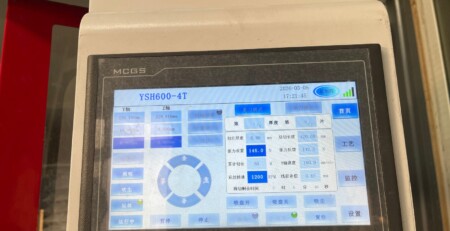
– Machine Control Systems: Modern diamond wire cutting systems incorporate increasingly sophisticated control features including real-time tension monitoring and adjustment, vibration damping technologies that minimize vibration-induced imperfections, intelligent parameter adjustment systems that optimize cutting conditions based on material feedback, and integrated metrology systems that enable immediate quality verification .
– Hybrid Processing Methods: Research and development efforts are exploring assisted machining methods such as ultrasonic vibration-assisted DWS (UV-DWS), electrical discharge vibration-assisted DWS (ED-DWS), and electrochemical-assisted DWS (EC-DWS) that enhance cutting performance for challenging materials .
– Automation and Industry 4.0 Integration: Both single-wire and multi-wire systems are incorporating higher levels of automation, including automated loading/unloading systems, in-process quality monitoring, predictive maintenance capabilities, and seamless integration with factory digitalization platforms .
6 Implementation Considerations and Selection Guidelines
6.1 Technology Selection Framework
Selecting between single-wire and multi-wire diamond loop cutting technologies requires careful analysis of specific production requirements and operational constraints:
– Production Volume Assessment: Multi-wire systems deliver compelling economic advantages for high-volume production with standardized cutting requirements . Single-wire systems provide better alignment for low-to-medium production volumes, diverse product mixes, and applications requiring frequent changeovers .
– Material Characteristics: Hard, brittle materials such asмонокристаллический кремний, advanced ceramics, and optical crystals benefit from the precise control and adaptable parameters of single-wire systems . Softer materials and standard semiconductor substrates typically process efficiently on multi-wire systems .
– Geometric Complexity: Complex shapes, contours, and specialized geometries are better suited to single-wire technology due to its flexibility and programming capabilities . Standard geometric patterns, straight cuts, and repetitive shapes align well with multi-wire system strengths .
– Quality Requirements: Applications demanding the highest levels of precision, minimal kerf loss, and superior surface finish often benefit from single-wire processing . Applications where consistent quality across multiple pieces is paramount align well with multi-wire capabilities .
– Comprehensive Operator Training: Both single-wire and multi-wire technologies require specialized operational knowledge, particularly regarding wire tension management, cutting parameter optimization, and preventative maintenance procedures .
– Maintenance Protocol Establishment: Multi-wire systems demand more extensive maintenance schedules due to their complex guidance systems and multiple wire management components . Single-wire systems require less intensive but equally critical maintenance focused on precision components and guidance elements .
– Supply Chain Planning: Петли из алмазной проволокиhave finite service lives, requiring proactive inventory management to prevent production interruptions . Multi-wire systems typically have higher consumable costs due to multiple simultaneous wire replacements .
– Process Validation Procedures: Implementing comprehensive quality assurance protocols is essential for both technologies, with particular emphasis on consistency monitoring across multiple wires in multi-wire systems .
7 Заключение
The diamond wire loop cutting landscape presents two distinct technological approaches, each with compelling advantages for specific applications. Single-wire diamond loop cutting technology delivers exceptional flexibility, superior precision for complex geometries, and reduced operational complexity, making it ideal for specialized applications, lower volume production, and research environments . Multi-wire diamond loop cutting offers unmatched production throughput, optimized mass production economics, and exceptional consistency for high-volume manufacturing of standard components .
As material technologies advance and manufacturing requirements evolve, both single-wire and multi-wire diamond loop cutting systems continue to develop through technological innovations that enhance precision, эффективность, and operational reliability . The ongoing development of advanced wire formulations, improved guidance systems, and enhanced control technologies ensures that both approaches will remain relevant and valuable for precision manufacturing across diverse industries.
Manufacturers seeking to implement diamond wire loop cutting technology should base their selection on comprehensive analysis of production requirements, material characteristics, quality expectations, and economic considerations rather than presuming universal superiority of either approach. With careful technology selection and proper implementation, diamond wire loop cutting delivers exceptional value through superior cutting quality, снижение отходов материала, and enhanced production efficiency across countless industrial applicatio
Часто задаваемые вопросы
What is the difference between single-wire and multi-wire diamond cutting?
A single-wire (Петля из алмазной проволоки) machine drives one closed loop of diamond-coated wire to cut one kerf at a time. A multi-wire saw guides dozens of parallel wire strands so many slices are cut in one pass.
Which is better for R&D or small-batch production?
Single-wire diamond loop machines: they cost far less, change over quickly between materials, and can do contour cutting that multi-wire saws cannot.
When does a multi-wire saw make more sense?
In high-volume standardized wafer production (например., photovoltaic silicon bricks), where dozens of identical slices per pass justify the higher machine cost and setup complexity.
Can a diamond wire loop do contour cutting?
Да. CNC-controlled single-wire loop machines cut curves and irregular shapes, which is a key advantage over multi-wire saws limited to straight parallel slicing.
Технический контент проверен инженерной командой Ensoll — производителя алмазных проволочных петель с 10+ многолетним производственным опытом.
1.Что такое ромбовидная проволочная петля?
Петля из алмазной проволоки, также известны как алмазные канатные пилы, это режущие инструменты, которые состоят из... читать далее
Ценные породы дерева, такие как палисандр и хуанхуали, высоко ценятся из-за своей редкости, Уникальная текстура, и цвет. Чтобы максимизировать ... читать далее
Основные выводы
Алмазная петлевая проволочная резка обеспечивает высокую точность и тонкую обработку, важна для производства высокоточных оптических компонентов, таких как линзы,... читать далее
Петли из алмазной проволоки изготавливаются с использованием передовых производственных процессов, в которых алмазы встраиваются в проволочную петлю. Этот... читать далее
Абстрактный: Этот справочный лист перечисляет окно процессов, проверенное в PMI компании Ensoll
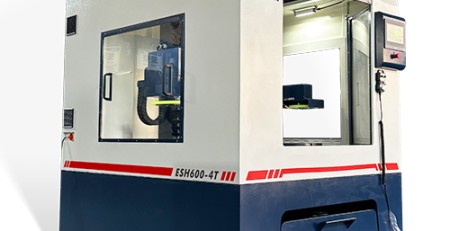
(Полиметакрилидимид) structural foam slicing test on an ESH600-4T horizontal
читать далее


 3.1 Working Principle and System Architecture