Magnetic materials fall into three families: постоянные магниты (НдФеБ, СмКо, AlNiCo, феррит), мягкие магнетики (кремнистое железо, мягкий феррит, amorphous and nanocrystalline alloys, permalloy) and functional materials (magnetostrictive, recording media, spintronics).
Each family fails differently under cutting: NdFeB microcracks and demagnetizes, ferrite crumbles at the edges, amorphous ribbons are extremely hard (до 900 HV) and thin, and nanocrystalline alloys degrade above 150 °C.
End-use magnetic performance depends on edge quality (flux leakage), размерную точность (air gaps) and freedom from heat- or stress-damaged zones.
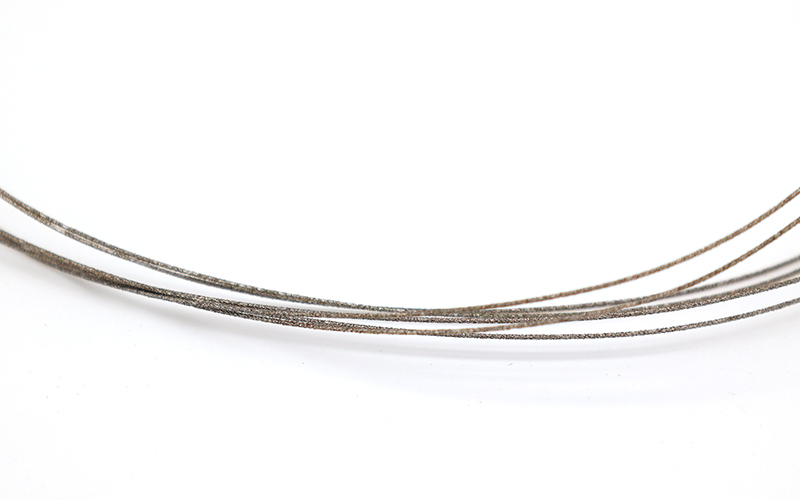
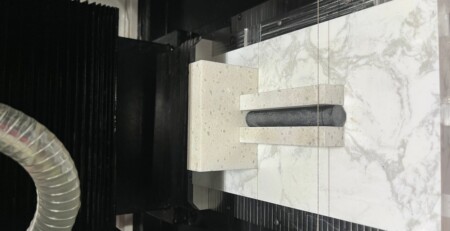
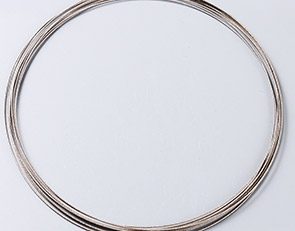
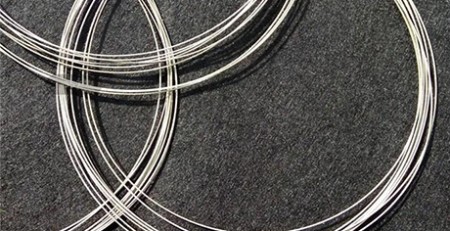
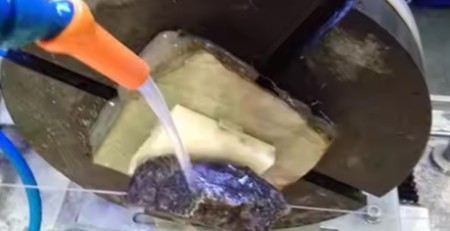
Diamond wire loop cutting addresses all three requirements at once: cutting temperatures below 50 °C, tolerances to ±2 micrometers and material yields above 95%.
1.Знакомство: The Critical Role of Magnetic Materials in Modern Technology
Magnetic materials form the backbone of countless technologies, from electric vehicles to medical imaging systems. Однако, their unique properties—including hardness, хрупкость, and thermal sensitivity—make them notoriously difficult to machine without compromising performance.
This guide explores all major categories of magnetic materials, their post-processing applications, and the cutting challenges they present. For manufacturers requiring precision machining, advanced solutions like Нарезка ромбовидной проволоки (offered by specialists such as [Ensoll Tools](https://www.ensolltools.com/)) are often indispensable.
For mission-critical applications, partnering with experts like[EnsollTools]ensures optimal results.
Часто задаваемые вопросы
What are the main types of magnetic materials?
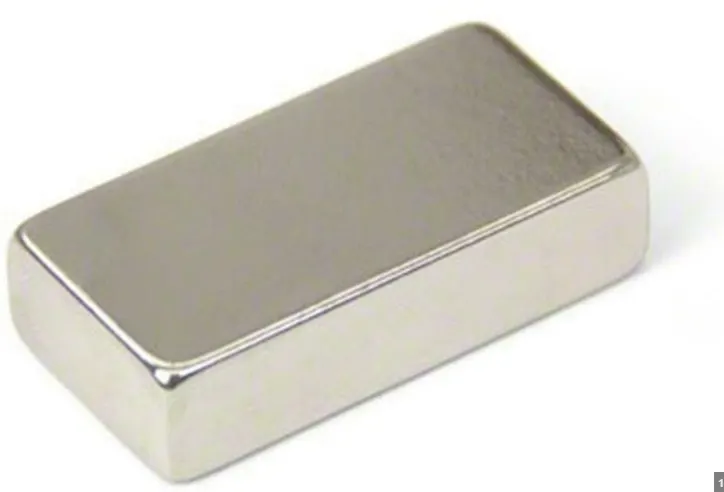
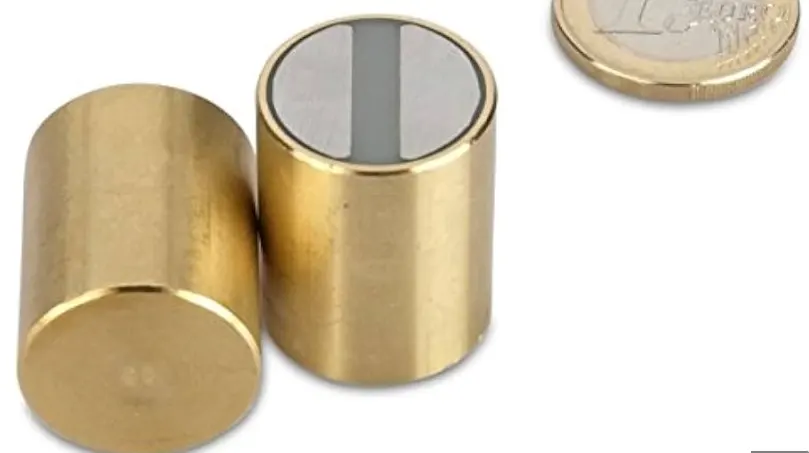
Three broad families: permanent (твердый) magnets such as NdFeB, СмКо, AlNiCo and ferrite; soft magnetic materials such as silicon steel, мягкие ферриты, amorphous and nanocrystalline alloys and permalloy; and functional materials such as magnetostrictive alloys, magnetic recording media and spintronics materials.
What is the difference between hard and soft magnetic materials?
Hard (permanent) magnetic materials have high coercivity and retain their magnetization after the external field is removed. Soft magnetic materials magnetize and demagnetize easily, making them ideal for transformer cores, inductors and flux-control components.
Why are magnetic materials difficult to machine?
They combine hardness with brittleness and thermal sensitivity: conventional cutting introduces microcracks, сколы на краях, burrs or heat that can locally demagnetize the part or destroy delicate structures such as nanocrystalline phases and multilayers.
Which cutting method works across all magnetic material types?
Diamond wire loop cutting is the most universal option. Its cold (ниже 50 °C), low-force micro-grinding preserves magnetic properties across hard magnets, soft ferrites and advanced alloys, while achieving micrometer-level tolerances and material yields above 95%.
Технический контент проверен инженерной командой Ensoll — производителя алмазных проволочных петель с 10+ многолетним производственным опытом.
Последний обзор: Сентябрь 2026
Ключевые выводы
Графит мягкий, но хрупкий и абразивный — он быстро тупит лезвия и производит проводящую пыль,... читать далее
Оригинальный тест прецизионной нарезки Ensoll для магнитных материалов с использованием бесконечной алмазной проволочной пилы ESO-GM, с измеренным показателем TTV, смещение толщины, поверхность... читать далее
Алмазная канатная пила В технологии используется проволока с алмазным покрытием для точной и эффективной резки материала. Его значение заключается в том, что.... читать далее
Ключевые выводы
Оптическое стекло разработано для линз, призм и фильтров с точно контролируемым показателем преломления, дисперсией и низким уровнем примесей... читать далее
Знакомство:
В области раскройной техники, Широко используются два известных метода: Резка алмазной проволокой и резка алмазного шлифовального круга.... читать далее
Основные выводы
Проволочная ЭДМ режет электрически проводящие материалы с использованием искровой эрозии, поэтому твердость материала не имеет значения - даже закалённая инструментальная сталь... читать далее
Абстрактный: This application report documents a precision straight-slicing test on PMI
(Полиметакрилидимид) structural foam supplied by a European customer. Four slices... читать далее