石墨是一种具有优异导热性的碳, 润滑, 和电导率. 广泛应用于航空航天等行业, 汽车, 电子学, 和冶金,因为它的耐热性, 化学稳定性, 和低摩擦性能.
The features are as follows:
1. Hexagonal Layered Structure
At the atomic level, graphite consists of carbon atoms arranged in a hexagonal lattice, forming planar sheets known as graphene.
Bonding: Within each layer, carbon atoms are held together by strong covalent bonds.
Inter-layer Forces: Between these layers, only weak Van der Waals forces exist. This allows the layers to slide over one another with minimal friction, which is why graphite feels “greasy” and functions as an effective dry lubricant.
2. Exceptional Thermal Stability
Graphite is one of the most heat-resistant materials known. Unlike many substances that melt under intense heat, graphite undergoes sublimation (turning directly from a solid to a gas) at approximately 3,900 K (around 3,627°C) under standard pressure.
Strength at Temperature: Interestingly, the mechanical strength of graphite actually increases as it is heated from room temperature up to about 2,500°
Thermal Expansion: It has a low coefficient of thermal expansion, making it highly resistant to thermal shock—the cracking that usually occurs during rapid temperature changes.
3. High Electrical and Thermal Conductivity
While most non-metals are insulators, graphite is an anomaly.
Free Electrons: Because each carbon atom is bonded to only three others in its plane, one “extra” electron remains delocalized. these electrons are free to move throughout the layers, allowing graphite to conduct electricity efficiently.
Anisotropy: Its conductivity is anisotropic, meaning it is much higher parallel to the layers than it is perpendicular to them.
4. Chemical Inertness and Corrosion Resistance
Graphite is chemically stable and resistant to most acids, 碱, and corrosive gases at moderate temperatures.
Oxidation:** It only begins to oxidize significantly in air at temperatures above 450°
应用:** This makes it an ideal material for crucibles, chemical reaction vessels, and components in the semiconductor and metallurgical industries where harsh environments are common.
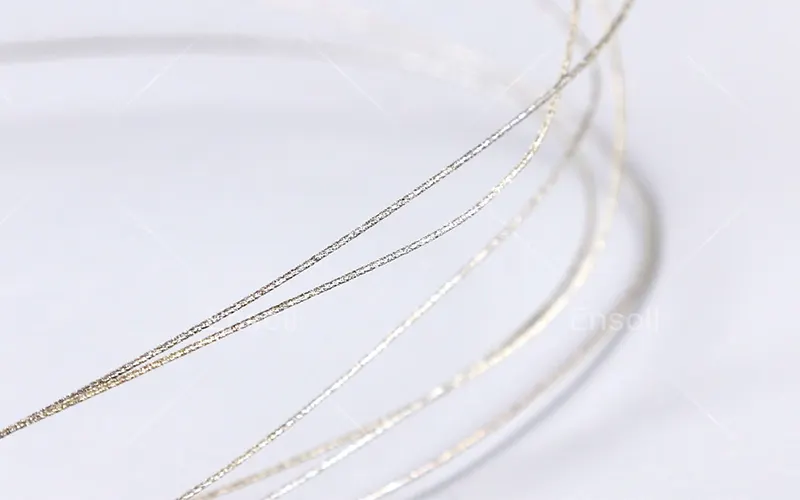
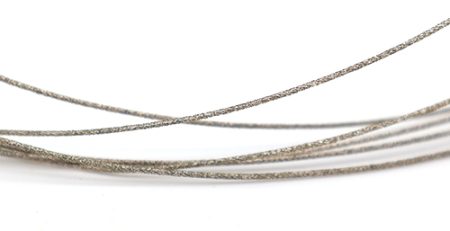
Diamond wire saws are versatile tools that can be used for a wide range of graphite cutting 应用. 无论是切割石墨块, 床单, 电极, 或模具, 金刚石绳锯可以处理各种形状和厚度. 这种多功能性使它们适用于制造业等行业, 冶金, 以及研发.
For the wider process context behind this article, start with 金刚石线圈切割技术常见问题 和 了解石墨的终极指南.
常见问题
What is the best way to cut graphite?
金刚石线切割: low cutting force, continuous water cooling to contain dust, and none of the blade wear problems that graphite causes.
Why is graphite difficult to machine?
It is brittle and abrasive at the same time. Edges crumble under mechanical load, and the resulting dust is conductive — it contaminates spindles and electronics.
Does cutting graphite require coolant?
是的. Water cooling or strong extraction is essential; conductive graphite dust damages equipment and is a health hazard.

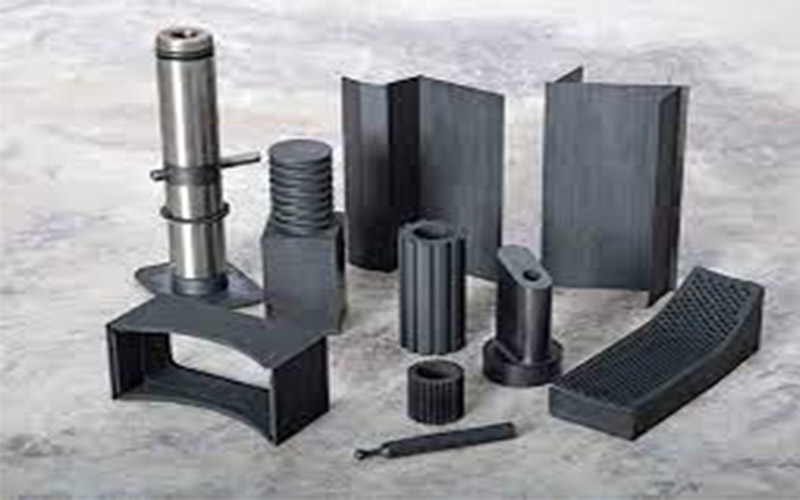
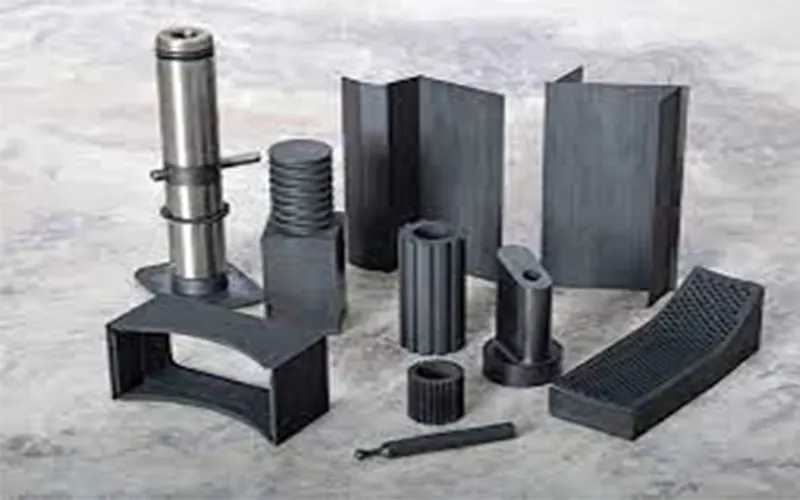
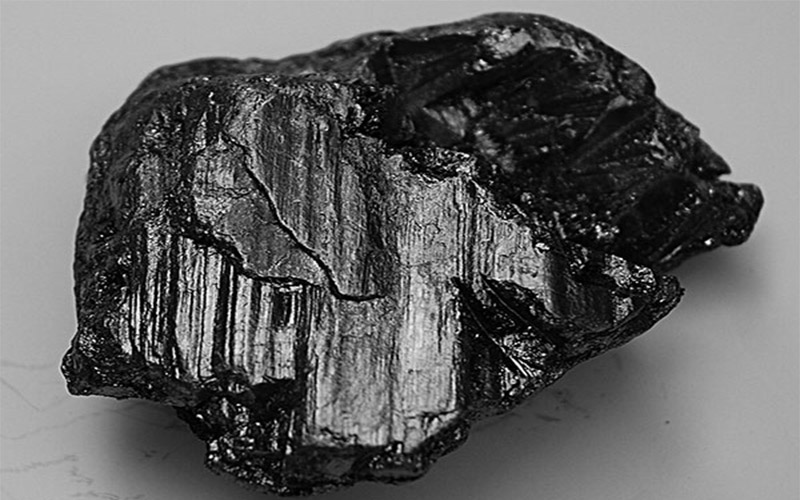
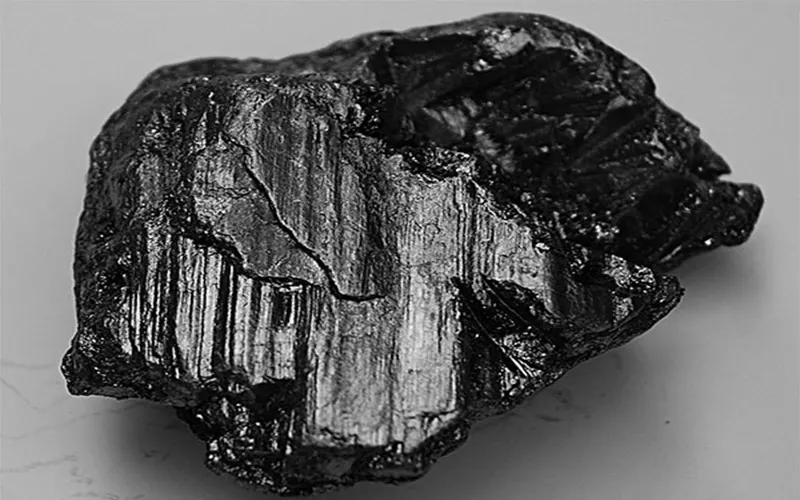
 锯切是切割石墨的常用方法之一. 它涉及使用传统的锯片或金刚石涂层锯片. 刀片在工件上来回移动,以切割石墨材料. 然而, 此方法有一些局限性. 锯片在切割过程中往往会产生热量, 这会导致石墨膨胀并导致边缘粗糙. 此外, 切割速度可能较慢, 并且精度可能会受到影响.
 铣削是另一种用于成型和切割石墨的传统方法. 它涉及使用切削工具, 如立铣刀或球磨机, 从工件上取下材料. 切削刀具在沿多个轴移动时旋转, 允许精确成型和切割. 然而, 铣削石墨可能非常耗时,并导致过多的材料浪费. 它还需要使用冷却液来散发切削过程中产生的热量.
 电火花线切割是一种非传统的切割方法,它使用薄, 带电的电线腐蚀石墨材料. 线材穿过工件, 导线和石墨之间发生受控放电, 导致材料去除. 电火花线切割机精度高,可以创建具有严格公差的复杂形状. 然而, 它可能不是Suita