Precision Glass Cutting: Zero Chipping Technology
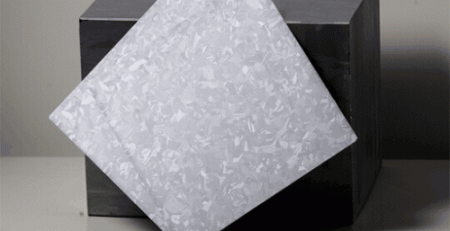
- Zero chipping edge technology uses ultra-thin diamond cutting wire loops to minimize mechanical stress, producing smooth chip-free edges, higher yield rates and better structural integrity for downstream processing.
- Low-stress glass machining — controlled cutting force plus optimized feed rate — is the key to separating brittle fused silica and borosilicate without stress fractures, at sub-micron accuracy.
- Fused silica defeats conventional routes: laser cutting causes thermal stress and mechanical scribing risks micro-cracks, while diamond wire cutting is a cold process with uniform force and high repeatability.
- Borosilicate glass dicing with diamond wire keeps cut quality consistent even on thick sheets, minimizes kerf loss and runs fast — and the same setup is crucial for camera lens array dicing.
- Versus abrasive blades, diamond cutting wire loops offer thinner cuts, longer tool life and edge quality that needs no post-processing.
The demand for high-precision glass components has surged in industries such as optics, 電子工学, および医療機器. To meet these requirements, manufacturers rely on cutting-edge technologies like zero chipping edge technology, low-stress glass machining, and fused silica precision cutting. Among the most effective methods is diamond wire saw cutting, which ensures clean cuts with minimal micro-cracks.
このブログでは, we’ll explore the latest innovations in glass machining, including borosilicate glass dicing, camera lens array dicing, and optical filter manufacturing, while highlighting the role of diamond cutting wire loops and diamond wire saw cutting machines in achieving superior results.
Chipping is the defect that decides yield in 光学ガラス切断, and it is controllable with the right wire and feed.
The Importance of Zero Chipping Edge Technology
Traditional glass cutting methods often produce micro-cracks, フライドポテト, and rough edges, leading to material waste and reduced product performance. Zero chipping edge technology addresses these issues by utilizing ultra-thin diamond cutting wire loops that minimize mechanical stress on the glass.
Key Benefits
– Smooth, chip-free edges – Essential for optical applications where clarity is critical.
– Higher yield rates – Reduced material loss due to precision cutting.
– Improved structural integrity – Lower risk of fractures during further processing.
This technology is particularly valuable in camera lens array dicing, where even minor imperfections can degrade image quality.
Low-Stress Glass Machining for Delicate Materials
Brittle materials like fused silica and borosilicate glass require specialized techniques to prevent cracking. Low-stress glass machining leverages controlled cutting forces and optimized feed rates to ensure clean separation without inducing stress fractures.
アプリケーション:
– Optical filter manufacturing – Demands ultra-thin, flawless cuts for high-performance filters.
– Medical device components – Precision-cut glass used in sensors and lab equipment.
– Semiconductor wafers – Thin glass substrates for electronics.
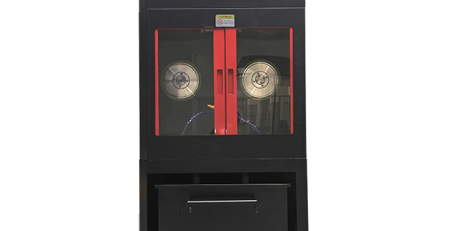
By using a diamond wire saw cutting machine, メーカーは材料強度を維持しながらサブミクロン精度を達成する.
融着シリカの精密切断: 課題と解決策
融着シリカはその熱安定性と光学的透明性で重宝されるが、欠陥を生じさせずに切断することは非常に難しい. レーザー切断のような従来の方法は熱応力を引き起こす可能性がある, 一方、機械による筋付け切断は微細な亀裂のリスクがある.
ダイヤモンドワイヤソー切断の優位性:
– 冷間切断プロセス – 熱影響部がない.
– 均一な切削力 – 不均一な応力分布を防ぐ.
– 高い再現性 – 精密部品の量産に最適.
融着シリカの精密切断が必要な産業 (例えば。, 航宇, レーザー光学) この方法から多大な恩恵を受ける.
産業用途のホウケイ酸ガラスダイシング
ホウケイ酸ガラス, 耐熱衝撃性で知られ, 化学装置で広く使用されている, LEDパッケージング, and smartphone covers. しかし, its hardness makes borosilicate glass dicing challenging.
Why Diamond Wire Saws Are Ideal:
– Consistent cut quality – Even for thick borosilicate sheets.
– Minimal kerf loss – Maximizes material utilization.
– Fast processing speeds – Enhances production efficiency.
This method is also crucial in camera lens array dicing, where multiple lenses must be separated without damage.
Camera Lens Array Dicing: Precision at Scale
Modern smartphones and DSLR cameras rely on multi-lens arrays for advanced imaging. Camera lens array dicing requires extreme precision to avoid optical distortions.
Key Techniques:
– Ultra-thin diamond wire loops – For fine, clean cuts.
– Automated alignment systems – Ensures accurate positioning.
– Low-vibration cutting – Prevents lens misalignment.
Manufacturers using diamond wire saw cutting machines report higher yields and fewer defective lense
Optical Filter Manufacturing: Meeting High Standards
Optical filters used in spectroscopy, photography, and defense systems must have flawless surfaces. Optical filter manufacturing leverages low-stress glass machining to achieve:
– Near-perfect edge quality – No light scattering.
– Tight dimensional tolerances – Ensures proper fit in assemblies.
– High throughput – Meets industry demand.
Diamond Cutting Wire Loop vs. Traditional Blades
Unlike abrasive blades, diamond cutting wire loops provide:
✔ Thinner cuts – Less material waste.
✔ Longer tool life – Reduced downtime.
✔ Superior edge quality – No post-processing needed.
これにより、先進的なガラス加工用のダイヤモンドワイヤーソー切断機で不可欠となります。.
結論
ゼロチッピングエッジ技術の進化, low-stress glass machining, そしてダイヤモンドワイヤーソー切断は、超高精度のガラス部品を必要とする産業に革命をもたらしました。. ホウケイ酸ガラスのダイシングであろうと, camera lens array dicing, 光学フィルターの製造であろうと, これらの進歩はより高い品質を保証します。, 効率, 費用対効果.
ダイヤモンドワイヤーソー切断機への投資は、製造能力を大幅に向上させることができ、, ガラス切断において完璧を目指すメーカーにとって賢明な選択となります。.
よくある質問
ゼロチッピングエッジ技術とは何ですか??
これは、超薄型ダイヤモンドカッティングワイヤーループを使用して材料への機械的ストレスを最小限に抑えるガラス切断手法です。. その結果、滑らかで, チップのないエッジが得られ、, 材料の損失が減少することで歩留まりが向上します。, and a lower risk of fractures during further processing — essential for optical applications where clarity is critical.
Why is fused silica difficult to cut?
Fused silica is prized for thermal stability and optical clarity but is notoriously defect-prone: laser cutting introduces thermal stress, and mechanical scribing risks micro-cracks. Diamond wire saw cutting avoids both because it is a cold-cutting process with uniform cutting force and high repeatability.
What is the best way to dice borosilicate glass?
A diamond wire saw. It maintains consistent cut quality even on thick borosilicate sheets, minimizes kerf loss to maximize material utilization, and processes at speeds that support production efficiency. The same method is used for camera lens array dicing, where multiple lenses must be separated without damage.
What does camera lens array dicing require?
Extreme precision: ultra-thin diamond wire loops for fine clean cuts, automated alignment systems for accurate positioning, and low-vibration cutting to prevent lens misalignment. Even minor imperfections in the dicing step can degrade image quality in smartphones and DSLR cameras.
Ensollエンジニアリングチームによるレビュー.