금속 튜브의 정밀 절단: 다이아몬드 와이어 루프
유럽 고객을 위한 샘플 테스트 · 다이아몬드 와이어 루프 절단 공정
- 얇은 벽 금속관은 미세한 다이아몬드 와이어 루프로 정밀 절단되었으며, 버 없는 가장자리 생산.
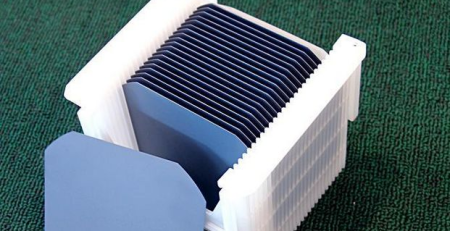
- 이 공정은 레이저 절단의 열 영향을 받는 영역과 블레이드 절단의 변형을 피한다. 같은 트레이드오프가 취성 반도체에서도 비교되며 레이저 절단과 다이아몬드 와이어 쏘.
- 전체 절단 매개변수, TTV 데이터, 그리고 표면 사진이 엔지니어링 참고용으로 포함됨.
개요
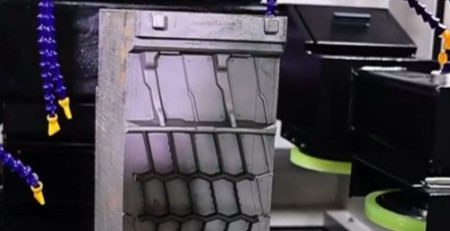
이 시험의 작업물은 유럽 고객이 공급한 금속관 샘플 (회사 E), 고정밀 직선 절단이 필요하다. 금속 튜브는 축 방향으로 연속적이다, 속이 빈 단면, 얇은 벽 구조. 절단력의 결합 작용 하에서, 클램핑 응력 및 열 효과, they are prone to wall deformation, irregular cut surfaces and edge burrs, which places high demands on process stability and dimensional control.
The cut itself is made by a 다이아몬드 와이어 루프, whose low, constant force is what keeps a thin wall from collapsing under the wire.
Shops comparing equipment for this kind of work can find more detail in our guide to choosing a cable saw for metal, which covers wire diameter, cutting speed and coolant selection.
To address the issues of insufficient structural stiffness, cutting deformation and difficult surface-quality control during precision metal tube slicing, Ensoll developed a processing solution based on diamond wire loop cutting technology: 정밀 PEEK 가공용 전용 ESO-GM 다이아몬드 와이어 루프 쏘 matched to the characteristics of metal tube machining, a diamond wire specifically engineered for metallic materials, and cutting oil as the cooling/lubrication medium to reduce temperature rise in the cutting zone, improve lubrication and chip evacuation at the wire–workpiece interface, and minimise thermal and mechanical effects on the tube wall. 동시에, by optimising the diamond wire loop running speed and cutting parameters, stable material removal and precise control were achieved. Through the synergistic optimisation of machine, consumables and process parameters, dimensional accuracy, cut-surface quality and processing consistency were significantly improved, providing effective technical support for high-quality cutting of precision metal tubes.
For a wider view of equipment classes, see our guide to the 다이아몬드 와이어 톱 절단기.
1. Workpiece Information
- 재료: Metal tube
- 경도: Approx. 6 (모스)
- Workpiece dimensions: 200 mm × 18 mm × 15.5 mm
- Target slice size: 3 mm × 18 mm × 15.5 mm
2. Machine and Wire Selection
Machine: ESO-GM 다이아몬드 와이어 루프 쏘. Given the hollow structure of the metal tube and the need for high-precision straight slicing, Ensoll selected the ESO-GM, a machine purpose-built for metal tube machining. Its high structural rigidity and stable running performance guarantee trajectory accuracy during cutting, reduce dimensional deviations caused by vibration and force fluctuations, and improve both slice accuracy and cut-surface quality.
Cutting fluid: 절단유. Used as the cooling and lubrication medium, cutting oil improves lubrication and heat dissipation in the cutting zone, reduces friction and heat build-up at the contact interface between the diamond wire and the tube wall, and lessens the effect of cutting heat on the tube wall and cut surface. This helps control dimensional deviation and edge defects, 절단된 금속 튜브의 안정성과 표면 품질 향상.
와이어: 완전히 코팅된 다이아몬드 와이어. 완전히 코팅된 타입은 다이아몬드 입자와 와이어 기재 간의 결합을 강화하고 입자 분포를 안정화하며, 지속적인, 공정 전반에 걸친 안정적인 절단 능력 보장. 와이어 마모와 절단 상태 변동을 줄여, 치수 편차 및 절단면 품질을 제어하는 동시에 가공 안정성과 절단물 일관성을 향상시키는 데 도움.

3. 절단 방법 및 기계 장점
간트리 절단 구조: 갠트리 구조는 높은 전체 강성과 운전 안정성을 제공. 상향식 수직 이송은 안정적인 다이아몬드 와이어 궤적을 유지하고 힘 변동이 절단 위치와 치수 정확도에 미치는 영향을 줄임. 이 기계는 절단 중 발생하는 오일 미스트를 실시간으로 제거하는 미스트 추출 시스템도 갖추고 있습니다, 가공 영역을 청결하게 유지.
지능형 장력 제어 시스템: 이 시스템은 가공 상태에 따라 다이아몬드 와이어 장력을 실시간으로 조절하며, 일정 장력 모드와 가변 장력 모드 모두를 지원합니다, 절단 중 와이어를 안정적으로 유지. 이는 장력 변동으로 인한 궤적 편차와 와이어 단선 위험을 줄이고, 치수 일관성과 가공 연속성을 향상시킵니다.
와이어 단선 기억 기능: 와이어 단선이나 예상치 못한 기계 정지가 발생했을 때, 시스템은 현재 가공 위치와 작동 상태를 자동으로 기록합니다. 와이어를 교체한 후, 기록된 위치에서 가공을 재개할 수 있어, 반복 재배치로 인한 치수 편차와 소재 손실을 줄입니다, and improving processing continuity.
고강성 일체형 주철 프레임: The monolithic cast-iron frame increases overall machine stiffness and vibration damping, mitigating the effect of structural vibration and deformation on cutting-trajectory stability during long-term operation. This provides a reliable equipment foundation for controlling dimensional accuracy, cut quality and machining stability during precision metal tube slicing.
4. 절단 매개변수 및 냉각
| 매개변수 | 값 |
|---|---|
| Wire spec (밀리미터) | 0.35 × 1880 |
| 이송 속도 (mm / 분) | 3 |
| 절단 폭 (밀리미터) | 18 |
| 와이어 장력 (N) | 140 |
| Linear wire speed (엠/초) | 24 |
| Wire bowing time (초) | 60 |
| 절단 부하 (N·m) | 19 |

5. Cutting Efficiency and Results
5.1 TTV 시험 데이터 (단위: 밀리미터)
TTV (총 두께 변동) was measured by a nine-point grid dual-probe thickness gauge on a vacuum chuck. Slices measuring 3 mm (두께) × 18 mm (길이) × 15.5 mm (너비) were used. 시험 전, the gauge was pre-heated to thermal equilibrium and calibrated with standard thickness blocks. After clean-room cleaning, 각 시료는 진공 척을 중심으로 하고 음압으로 고정되어 휘어짐을 제거했다, 기울기 또는 위치 이동. 9개의 지정된 격자 점에서 두께 데이터가 수집되었으며, TTV는 슬라이스 두께의 균일성과 공정 일관성을 평가하기 위해 최대 두께와 최소 두께 값의 차이로 계산되었다.
| 시료 | 9-점 두께 측정 | Tmax | Tmin | TTV |
|---|---|---|---|---|
| S01 | 3.017, 3.019, 3.021, 3.018, 3.022, 3.025, 3.020, 3.023, 3.024 | 3.025 | 3.017 | 0.008 |
| S02 | 3.024, 3.025, 3.026, 3.025, 3.024, 3.025, 3.026, 3.024, 3.025 | 3.026 | 3.024 | 0.002 |
| S03 | 3.020, 3.022, 3.024, 3.021, 3.023, 3.025, 3.022, 3.024, 3.025 | 3.025 | 3.020 | 0.005 |
평가: 세 개의 금속 튜브 슬라이스에 대한 9점 시험에서 안정적인 두께 분포를 보였다. TTV는 0.002mm에서 0.008mm 범위, 평균 0.005mm, 전반적인 두께 일관성이 우수함을 나타냄. 결과는 안정적인 다이아몬드 와이어 루프 작동과 잘 맞는 절단 매개변수를 입증했으며, 가공 중 두께 변화를 효과적으로 제어하고 정밀 금속 튜브 절단의 균일성 요구사항을 충족함.
5.2 두께 치수 허용차 (단위: 밀리미터)
두께 허용 차는 명목 두께 3.000 mm를 사용하여 9점 격자 방법으로 평가되었으며. 각 점에서 측정된 두께와 명목값 간의 편차가 치수 일관성을 평가하기 위해 계산되었다.
| 시료 | 평균 두께 | 두께 편차 |
|---|---|---|
| S01 | 3.021 | +0.021 |
| S02 | 3.025 | +0.025 |
| S03 | 3.023 | +0.023 |
| 최대 양의 편차 | +0.025 밀리미터 | |
| 최대 음의 편차 | 0 밀리미터 | |
| 두께 허용 | +0.025 / 0 밀리미터 | |
평가: 세 샘플의 평균 두께는 각각 3.021 mm, 3.025 mm, 3.023 mm, 양의 편차 +0.021, +0.025 +0.023 mm. 모든 편차는 양수이며 밀접하게 묶여 있다, 최대 양의 편차는 +0.025 mm이며 음의 편차는 없음, 배치가 명목보다 약간 두껍지만 샘플 간 매우 일관됨. 내부 TTV 값 0.008, 0.002 0.005 mm는 측정 위치에 따라 두께 변동이 미미하다. 전체, 절단 후 벽 두께 치수 제어는 안정적이며 우수한 일관성을 보인다.

5.3 표면 거칠기 Ra (단위: μm의)
표면 거칠기 (Ra) ISO 4287에 따라 스타일러스 프로필로미터를 사용해 측정. 각 금속 튜브 슬라이스의 절단면에 세 가지 대표 위치—중앙, 왼쪽-중앙, 오른쪽 중앙—가 선택되어 표면 마감과 가공 품질을 평가했다.
| 시료 | Ra-1 | Ra-2 | Ra-3 | 평균 Ra |
|---|---|---|---|---|
| S01 | 0.82 | 0.86 | 0.79 | 0.82 |
| S02 | 0.74 | 0.78 | 0.76 | 0.76 |
| S03 | 0.77 | 0.81 | 0.79 | 0.79 |
평가: 세 슬라이스에 대한 3점 테스트에서 0.74–0.86 μm 범위의 단일 점 Ra 값을 얻었으며, 전체 거칠기가 낮고 샘플 간 균일성이 좋음을 나타냄. 샘플 S02는 가장 낮은 평균 Ra를 달성했으며 (0.76 μm의), 최고의 표면 형태를 보였다, S01이 약간 더 높은 피크 값을 보였지만 여전히 허용 범위 내에 머물렀다. 데이터는 다이아몬드 와이어 루프 절단 공정이 안정적인 절단 조건을 유지하고 우수한 표면 무결성을 생성했음을 확인한다, 금속 부품의 후속 정밀 연마 및 조립을 위한 기술 요구 사항을 충족한다.
5.4 칩핑 데이터 (단위: μm의)
칩핑은 3 mm × 18 mm × 15.5 mm 슬라이스 가장자리에서 공구-현미경 광학 이미징으로 평가되었다. 네 면의 가장자리를 청소하고 기기 눈금을 보정한 후, 각 가장자리를 현미경으로 스캔하고 결함 치수를 기록했다.
| 시료 | 위치 1 | 위치 2 | 위치 3 | 위치 4 | 최대 칩핑 |
|---|---|---|---|---|---|
| S01 | 4.8 | 6.2 | 5.4 | 7.1 | 7.1 |
| S02 | 3.9 | 5.6 | 4.7 | 6.3 | 6.3 |
| S03 | 4.5 | 6.8 | 5.2 | 7.4 | 7.4 |
평가: 세 슬라이스에서 수행된 4점 테스트는 3.9 μm에서 7.4 μm 사이에 칩핑 값이 분포되어 있음을 보여주었으며, 샘플과 가장자리 위치 간의 변동은 중간 정도였다. Sample S02 exhibited the smallest maximum chipping (6.3 μm의), while S03 showed the largest (7.4 μm의). 전체, all chipping values are low, indicating minimal edge damage to the metal substrate during diamond wire loop cutting and good edge integrity with stable edge-machining quality.

6. 결론
The successful high-precision slicing of the metal tubes in this test stems from the appropriate matching of dedicated cutting equipment, cooling/lubrication conditions and cutting parameters. Metal tubes have hollow cross-sections and thin walls, making them susceptible to local deformation, dimensional deviation, end-face irregularity and edge burrs under cutting force, clamping stress and cutting heat. To address these structural characteristics and the requirements for high-precision straight slicing, adjustments were made in three areas—machine adaptation, cooling/lubrication and process parameters—ensuring stable cutting while controlling slice dimensions and end-face quality.
Shops standardising on this work should also compare wire diameters and coolant options in our cable saw for metal guide. (link 2 의 2)
첫째, in terms of machine adaptation, an ESO-GM 다이아몬드 와이어 루프 톱 dedicated to metal tube machining was selected. Its high structural rigidity and running stability provide reliable mechanical conditions for continuous wire operation and stable workpiece cutting, reducing the influence of machine vibration and wire fluctuation on the cutting trajectory. Stable motion control also maintains the relative position between the diamond wire and the tube wall, minimising dimensional variation caused by force changes and providing a stable equipment foundation for high-precision slicing.
Second, in terms of cooling and lubrication, cutting oil was used as the cooling/lubrication medium. Because continuous contact between the diamond wire and the tube wall generates frictional heat and the tube wall structure affects heat transfer and dissipation, cutting oil forms a good lubricating film at the contact zone, reducing friction and carrying away some of the cutting heat, thereby lessening thermal accumulation effects on the tube wall and cut surface. Good lubrication also improves grain cutting and chip evacuation conditions, reducing surface quality fluctuations caused by friction and local temperature rise.
Third, in terms of cutting parameters, the diamond wire loop running speed and feed settings were matched to the material properties, wall structure and slice dimensions of the metal tube. Parameter selection was based on ensuring stable diamond wire cutting, avoiding excessive cutting load, local overheating and wall deformation caused by mismatched speed or feed. By adjusting the parameters appropriately, the material removal process remained stable, controlling dimensional deviation and surface defects of the cut section while maintaining machining consistency.
Overall test results—dimensional accuracy, thickness tolerance, 표면 거칠기 (Ra) and edge quality—demonstrate that, with proper matching of equipment, cooling/lubrication and cutting parameters, diamond wire loop cutting can satisfactorily meet the requirements for high-precision straight slicing of metal tubes. The processed samples showed stable dimensional control, cut-surface quality and machining consistency. This indicates that the combination of dedicated equipment, cutting-oil cooling/lubrication and matched cutting parameters can effectively improve the cutting state during metal tube slicing, providing a practical process reference for the precision slicing of metal tube components.
Related reading: Precision Slicing of Magnetic Materials with an Endless Diamond Wire Saw · 다이아몬드 와이어 톱: Revolutionizing Precision Metal Cutting · Ensoll Guide: 끝없는 다이아몬드 와이어 루프 절단을 위한 최고의 소재
자주 묻는 질문
Can a diamond wire loop cut metal tubes?
예. Thin-wall metal tubes slice cleanly with a fine diamond wire loop, producing burr-free edges without crushing or deforming the tube wall.
What are the advantages over laser or blade cutting for tubes?
열 영향 구역 없음, no clamping deformation, and a very narrow kerf that preserves the tube’s wall geometry and dimensional accuracy.
What wire diameter is recommended for metal tube slicing?
Fine diamond wire loops around 0.35 mm give the best balance of kerf loss and surface finish on thin-wall tubes.
Does diamond wire loop cutting of metal need coolant?
예. Water cooling controls cutting-zone temperature and flushes away debris, protecting both the wire and the workpiece surface.
엔솔 엔지니어링 팀이 검토한 기술 내용 — 다이아몬드 와이어 루프 제조업체 10+ 다년간의 생산 경험을 가진 회사.