精密玻璃切割: 零碎屑技术
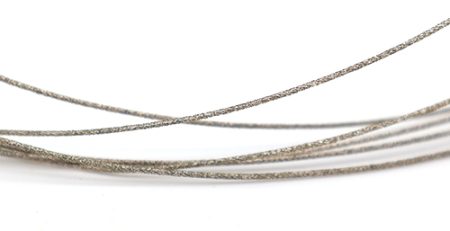
- Zero chipping edge technology uses ultra-thin diamond cutting wire loops to minimize mechanical stress, 产生光滑无碎屑的边缘, higher yield rates and better structural integrity for downstream processing.
- Low-stress glass machining — controlled cutting force plus optimized feed rate — is the key to separating brittle fused silica and borosilicate without stress fractures, at sub-micron accuracy.
- 熔融石英克服了传统方法: 激光切割会导致热应力,而机械划线可能引发微裂纹, while diamond wire cutting is a cold process with uniform force and high repeatability.
- Borosilicate glass dicing with diamond wire keeps cut quality consistent even on thick sheets, minimizes kerf loss and runs fast — and the same setup is crucial for camera lens array dicing.
- Versus abrasive blades, diamond cutting wire loops offer thinner cuts, longer tool life and edge quality that needs no post-processing.
光学等行业对高精度玻璃组件的需求激增, 电子学, 和医疗设备. To meet these requirements, manufacturers rely on cutting-edge technologies like zero chipping edge technology, low-stress glass machining, and fused silica precision cutting. Among the most effective methods is diamond wire saw cutting, which ensures clean cuts with minimal micro-cracks.
在这篇博客中, we’ll explore the latest innovations in glass machining, including borosilicate glass dicing, camera lens array dicing, and optical filter manufacturing, while highlighting the role of diamond cutting wire loops and diamond wire saw cutting machines in achieving superior results.
Chipping is the defect that decides yield in 光学玻璃切割, and it is controllable with the right wire and feed.
The Importance of Zero Chipping Edge Technology
Traditional glass cutting methods often produce micro-cracks, chips, and rough edges, leading to material waste and reduced product performance. Zero chipping edge technology addresses these issues by utilizing ultra-thin diamond cutting wire loops that minimize mechanical stress on the glass.
Key Benefits
– 光滑, chip-free edges – Essential for optical applications where clarity is critical.
– Higher yield rates – Reduced material loss due to precision cutting.
– Improved structural integrity – Lower risk of fractures during further processing.
This technology is particularly valuable in camera lens array dicing, where even minor imperfections can degrade image quality.
Low-Stress Glass Machining for Delicate Materials
Brittle materials like fused silica and borosilicate glass require specialized techniques to prevent cracking. Low-stress glass machining leverages controlled cutting forces and optimized feed rates to ensure clean separation without inducing stress fractures.
应用:
– Optical filter manufacturing – Demands ultra-thin, flawless cuts for high-performance filters.
– Medical device components – Precision-cut glass used in sensors and lab equipment.
– Semiconductor wafers – Thin glass substrates for electronics.
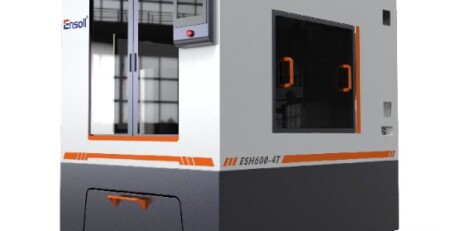
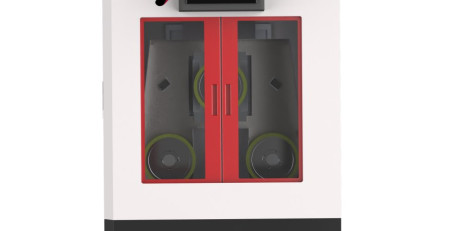
By using a diamond wire saw cutting machine, manufacturers achieve sub-micron accuracy while maintaining material strength.
Fused Silica Precision Cutting: 挑战和解决方案
Fused silica is prized for its thermal stability and optical clarity but is notoriously difficult to cut without introducing defects. Conventional methods like laser cutting can cause thermal stress, while mechanical scribing risks micro-cracks.
金刚石线切割的优势:
– 冷切割工艺——无热影响区.
– 均匀切削力——防止应力分布不均.
– 高重复性——适合精密零件大规模生产.
需要熔融石英精密切割的行业 (例如, 航空 航天, 激光光学) 从这种方法中受益匪浅.
工业应用中的硼硅玻璃切片
硼硅玻璃, 以耐热冲击著称, 广泛用于化学器械, LED封装, 以及智能手机盖板. 然而, 其硬度使硼硅玻璃切片具有挑战性.
为什么金刚石线锯是理想选择:
– 切割质量一致——即使是厚硼硅片.
– 最小切缝损耗——最大化材料利用率.
– 高速加工——提升生产效率.
这种方法在相机镜头阵列切割中也至关重要, where multiple lenses must be separated without damage.
Camera Lens Array Dicing: Precision at Scale
Modern smartphones and DSLR cameras rely on multi-lens arrays for advanced imaging. Camera lens array dicing requires extreme precision to avoid optical distortions.
Key Techniques:
– Ultra-thin diamond wire loops – For fine, clean cuts.
– Automated alignment systems – Ensures accurate positioning.
– Low-vibration cutting – Prevents lens misalignment.
Manufacturers using diamond wire saw cutting machines report higher yields and fewer defective lense
Optical Filter Manufacturing: Meeting High Standards
Optical filters used in spectroscopy, photography, and defense systems must have flawless surfaces. Optical filter manufacturing leverages low-stress glass machining to achieve:
– Near-perfect edge quality – No light scattering.
– Tight dimensional tolerances – Ensures proper fit in assemblies.
– High throughput – Meets industry demand.
Diamond Cutting Wire Loop vs. Traditional Blades
Unlike abrasive blades, diamond cutting wire loops provide:
✔ Thinner cuts – Less material waste.
✔ Longer tool life – Reduced downtime.
✔ Superior edge quality – No post-processing needed.
This makes them indispensable in diamond wire saw cutting machines for advanced glass processing.
结论
The evolution of zero chipping edge technology, low-stress glass machining, and diamond wire saw cutting has revolutionized industries requiring ultra-precise glass components. Whether for borosilicate glass dicing, camera lens array dicing, or optical filter manufacturing, these advancements ensure higher quality, 效率, 和成本效益.
Investing in a diamond wire saw cutting machine can significantly enhance production capabilities, making it a smart choice for manufacturers aiming for perfection in glass cutting.
常见问题
What is zero chipping edge technology?
It is a glass cutting approach that uses ultra-thin diamond cutting wire loops to minimize mechanical stress on the material. The result is smooth, chip-free edges, higher yield from reduced material loss, and a lower risk of fractures during further processing — essential for optical applications where clarity is critical.
Why is fused silica difficult to cut?
Fused silica is prized for thermal stability and optical clarity but is notoriously defect-prone: laser cutting introduces thermal stress, and mechanical scribing risks micro-cracks. Diamond wire saw cutting avoids both because it is a cold-cutting process with uniform cutting force and high repeatability.
What is the best way to dice borosilicate glass?
金刚石绳锯. It maintains consistent cut quality even on thick borosilicate sheets, minimizes kerf loss to maximize material utilization, and processes at speeds that support production efficiency. The same method is used for camera lens array dicing, where multiple lenses must be separated without damage.
What does camera lens array dicing require?
Extreme precision: ultra-thin diamond wire loops for fine clean cuts, automated alignment systems for accurate positioning, and low-vibration cutting to prevent lens misalignment. Even minor imperfections in the dicing step can degrade image quality in smartphones and DSLR cameras.
由Ensoll工程团队审查.