磁性材料的金刚石线环切割

磁性材料的金刚石线环切割

介绍

在现代制造业中, 精密加工技术的重要性日益凸显, 特别是在磁性材料加工领域. 磁性材料广泛应用于电子等行业, 汽车, 航空 航天, 和能源, 它们的加工精度直接影响最终产品的性能. 金刚石切割线环 科技, 作为一种高效、精密的加工方法, 近年来在磁性材料加工方面获得了显着的关注. 本文深入探讨了这些原则, 优势, 应用, 金刚石线环切割技术的未来趋势.

关键要点

  • Diamond wire loop cutting uses a high-strength steel wire coated with diamond particles (electroplated or resin-bonded) moving at high speed to micro-grind through hard, brittle materials.
  • Its four core advantages for magnetic materials: 切割效率高, micron-level accuracy, minimal kerf waste — critical for expensive rare earths — and low energy consumption.
  • Proven applications span permanent magnets (钕铁硼, 钐钴), 软磁材料 (ferrites, 硅钢) and even magnetic thin films for microelectronics.
  • The technology is moving toward AI-monitored adaptive cutting, nano-diamond and ultra-fine wires, and multi-material composite cutting — while wire life, thermal control and equipment cost remain the active engineering challenges.

Magnetic Material1. 金刚石线环切割技术概述

1.1 什么是金刚石线环切割?

金刚石线环切割是一种精密加工技术,使用涂有金刚石颗粒的金属丝作为切割工具. 通过高速往复运动, 它实现了硬脆材料的精确切割. 钻石, 是最坚硬的天然材料, 提供卓越的耐磨性和切割效率, 特别适用于切割磁性材料等高硬度材料, 半导体, 和陶瓷.diamond wire saw elctroplat1.2 金刚石线环的结构

一个 金刚石线环 typically consists of the following components:


金属丝芯: 通常由高强度钢或不锈钢制成, 作为金刚石颗粒的载体.


金刚石颗粒: 通过电镀或树脂粘合固定在金属丝表面, 形成切削刃.


衣: 保护金属丝,提高切割效率, 金刚石钢丝环的运行寿命 is often coated with a specialized layer.


2. 磁性材料金刚石线环切割的优势

2.1 切割效率高

金刚石线环切割技术可在短时间内完成高硬度磁性材料的切割, 显著提高生产效率. 与传统的砂轮切割或激光切割相比, 金刚石线环切割速度更快,同时保持高切割质量.

2.2 高精度加工

磁性材料需要极高的加工精度, 尤其在微电子和精密仪器方面. 金刚石线环切割技术可实现微米级切割精度, 确保磁性材料的尺寸和形状满足设计要求.


2.3 低材料浪费

传统的切割方法通常会导致大量的材料损失, 而金刚石线环切割, 由于其细线径, 在加工过程中产生最少的材料浪费. 这对于昂贵的磁性材料尤其重要.


2.4 环保及能源效益

金刚石线环切割不需要冷却剂或润滑剂, 减少环境污染. 此外, 其高切割效率导致相对较低的能耗, 符合现代制造业对绿色生产的需求.

3. 金刚石线环切割在磁性材料加工中的应用

Crystalline silicon ingot 23.1 永磁材料的切割

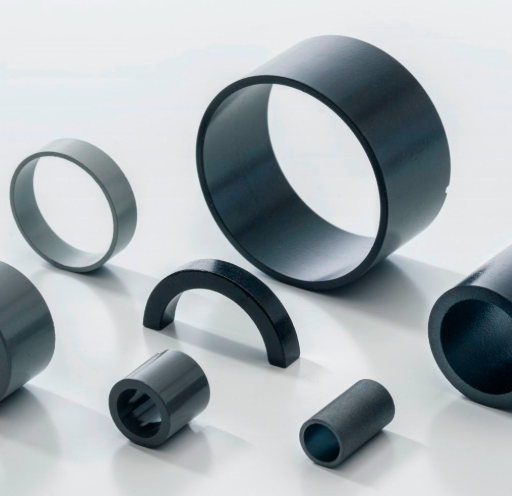
永磁材料 (such as neodymium iron boron and 钐钴) 表现出极高的硬度和脆性, 使它们在传统切割方法中容易开裂或碎裂. 金刚石线环切割技术有效避免了这些问题, 确保永磁材料的完整性和性能.


3.2 软磁材料的精密加工

软磁材料 (如铁氧体和硅钢) 广泛应用于电子变压器, 电感, 和其他设备. 金刚石线环切割技术可实现软磁性材料的高精度切割, 确保设备的电磁性能.


3.3 磁性薄膜的切割

在微电子领域, 磁性薄膜的加工需要极高的精度和表面质量. 金刚石线环切割技术实现磁性薄膜的精确切割, 确保其均匀性和性能.

4. 金刚石线环切割技术的未来趋势

4.1 自动化和智能

随着工业的进步 4.0, 金刚石线环切割技术正在朝着自动化和智能化方向发展. 通过整合机器视觉, 人工智能, 和 IoT 技术, 可实现切割过程的实时监控和优化, 进一步提高切割精度和效率.


4.2 开发新型金刚石线环

满足不同材料的切割需求, 新型金刚石线环的开发正在加速. 例如, 纳米金刚石涂层线环和超细金刚石线环正逐渐应用于磁性材料加工, 进一步提高切割性能.

4.3 多材料复合切割

未来, 金刚石线材环切割技术将不仅限于单一材料切割,还将应用于多材料复合结构的加工. 例如, 磁性和非磁性材料的复合结构, 金刚石线环切割技术可实现高精度分层切割, 满足复杂结构的加工要求.

5. 金刚石线环切割技术的挑战和解决方案

5.1 Wire Loop 寿命问题

金刚石线环会因长时间使用而磨损, 导致切割效率降低. 解决这个问题, 研究人员正在开发更耐磨的金刚石涂层材料和先进的制造工艺,以延长线环的使用寿命.


5.2 切割过程中的热损伤

高强度切割过程会产生高温, 对材料表面造成热损伤. 通过优化切割参数和引入冷却系统, 热损伤可以最小化, 提高切割质量.


5.3 成本控制

金刚石线环切割技术高昂的设备和材料成本限制了其在中小企业中的采用. 未来, 随着技术的成熟和规模扩大, 预计成本将降低, 支持更广泛的应用.


6. 结论

金刚石线环切割技术, 作为一种高效、精密的加工方法, 在磁性材料加工领域展现出巨大潜力. 其优势, 包括高切割效率, 高精度加工, 低材料浪费, 和环境友好, 使其成为现代制造业中不可或缺的工具. 随着技术的不断进步, 金刚石线环切割将在更多领域得到应用, 推动制造业向更高精度方向发展, 效率, 和可持续性.


NdFeB is the most common material in this group — for that grade specifically, see how to cut neodymium magnets.

常见问题

How does diamond wire loop cutting work?

A metal wire — typically high-strength steel — is coated with diamond particles by electroplating or resin bonding and formed into a continuous loop. Driven at high speed, the embedded diamonds micro-grind the workpiece, slicing hard, brittle materials with a very narrow kerf and smooth surfaces.

Why is diamond wire loop cutting suited to magnetic materials?

Magnetic materials are hard, brittle and heat-sensitive. The wire loop cuts with distributed low force (no cracking), generates little heat (no demagnetization), and its fine diameter wastes very little of costly rare-earth stock — a combination grinding, laser and EDM cannot match.

Can diamond wire loops cut both permanent and soft magnetic materials?

是的. The same process handles permanent magnets such as NdFeB and SmCo, soft magnetics such as ferrites and silicon steel, and even magnetic thin films, with only parameter and wire-grit changes between materials.

What limits diamond wire loop cutting today?

Three things: wire wear over long runs (addressed by more wear-resistant coatings), heat build-up at aggressive parameters (managed with cooling and optimized settings), and the initial equipment cost, which falls as the technology scales and matures.

Reviewed by the Ensoll engineering team.