Sapphire is crystalline aluminum oxide (Al2O3) — the mineral corundum, 莫氏硬度 9, the second hardest natural mineral after diamond; pure Al2O3 itself is colorless.
The colors come from trace impurities: blue from titanium plus iron, pink from chromium, purple from vanadium; once chromium produces a true red, the stone is classified as ruby instead.
Natural sapphires form under high temperature and pressure in metamorphic and igneous rocks; major sources include Kashmir, Myanmar, Sri Lanka, Madagascar, Australia and Montana.
Synthetic sapphire — made by Verneuil flame fusion (since 1902), Czochralski pulling, flux or hydrothermal growth — has identical physical properties and serves watch crystals, LED substrates, phone lens covers and medical implants.
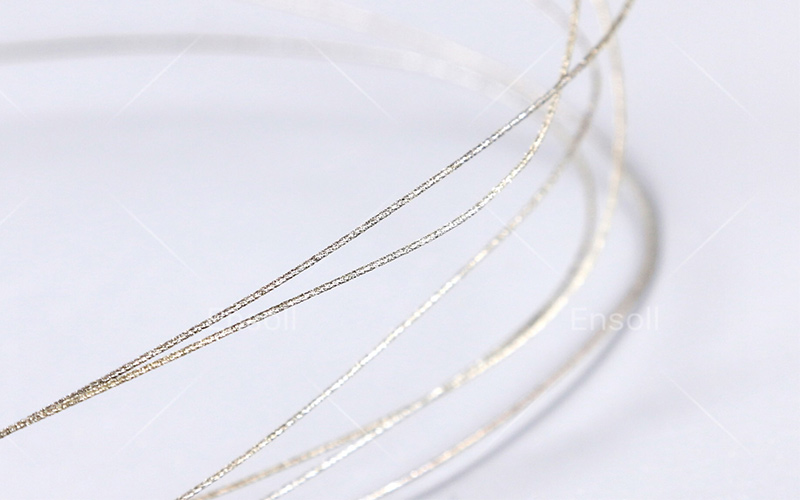
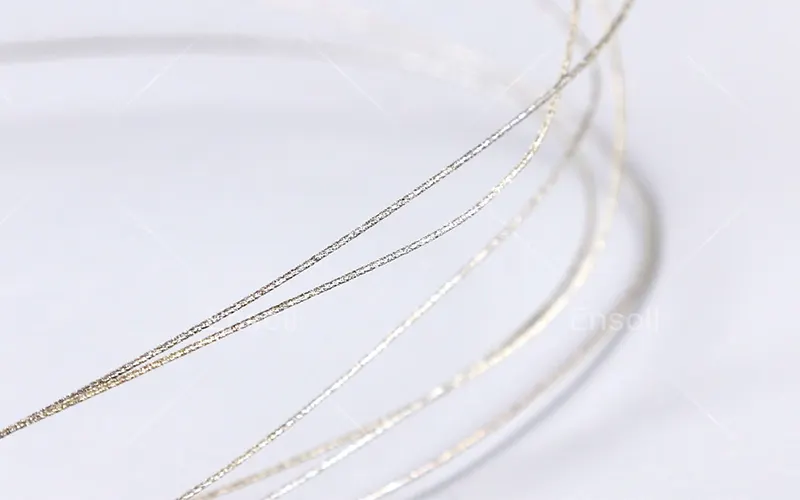
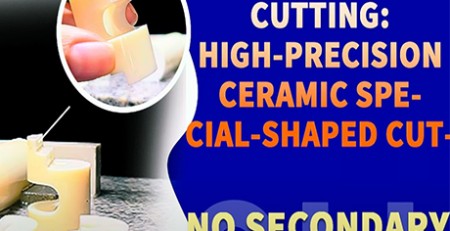
Only diamond tooling cuts sapphire efficiently; diamond wire loop slicing gives smooth, controlled cuts with minimal subsurface damage, protecting both LED wafers and expensive natural rough.
When you think of sapphires, you probably picture a deep blue gemstone in a royal ring or a luxury watch. But sapphires are far more interesting than their beauty suggests. 那么, what are sapphires made of?
The short answer is aluminum oxide (Al₂O₃). The longer answer involves crystal structures, trace elements, and even industrial applications that might surprise you. 本文内容, we will explore the composition of sapphires, how they form, and how they are shaped for both jewelry and high-tech uses.
The Basic Chemistry of Sapphire
Aluminum Oxide: The Foundation
其核心, a sapphire is a crystalline form of aluminum oxide, a chemical compound made of two aluminum atoms bonded to three oxygen atoms (Al₂O₃). 这是形成矿物刚玉的相同化合物, the second hardest natural mineral after diamond, 排名 9 在摩氏硬度等级上.
大多数蓝宝石形成于变质岩中,如大理石, 片麻岩, 千枚岩. 它们也可以在火成岩如玄武岩中形成. 经过数百万年, 风化侵蚀将这些晶体从母岩中释放出来, and water transports them into riverbeds where miners find them as alluvial deposits.
Mining Locations
Major sapphire sources include:
– Kashmir (famous for intense blue, now largely depleted)
– Myanmar (Burma) – known for high-quality blues
– Sri Lanka (Ceylon) – produces a wide range of colors
– Madagascar – a major modern source
– Australia – large volumes but darker stones
– Montana, USA – unique pale blues and yellows
Part Three: Synthetic Sapphires – Made by Humans
Why Create Synthetic Sapphires?
Natural sapphires are rare and expensive. For many industrial and even some jewelry applications, synthetic sapphires offer the same physical and chemical properties at a fraction of the cost.
The first successful synthetic sapphire was created in 1902 by French chemist Auguste Verneuil. His flame fusion method remains in use today, though more advanced techniques have since been developed.
Methods of Production
Verneuil (Flame Fusion) 方法:
Finely ground aluminum oxide powder is dropped through a high-temperature flame. The powder melts and falls onto a rotating pedestal, where it solidifies into a single crystal boule. This method is fast and cheap but produces stones with curved growth lines.
Czochralski Method:
The same method used for硅片. Aluminum oxide is melted in a crucible, and a seed crystal is dipped into the melt and slowly pulled upward while rotating. This produces extremely high-quality crystals with perfect internal structure.
Flux Growth and Hydrothermal Methods:
These slower methods mimic natural growth conditions. They produce more expensive synthetic stones that closely resemble natural sapphires, often used for high-end jewelry when natural stones are too costly.
Industrial Uses of Synthetic Sapphire
Because synthetic sapphire shares the hardness and chemical resistance of natural sapphire, it serves many technical roles:
– Watch crystals (scratch-resistant faces)
– Smartphone camera lens covers and display screens (some premium phones use sapphire glass)
– LED substrates (sapphire wafers for gallium nitride LED growth)
– Medical implants (biocompatible components)
– High-pressure windows for scientific instruments
– Thin-film substrates for electronics
Part Four: Cutting and Shaping Sapphire
The Challenge of Cutting Sapphire
Sapphire is exceptionally hard—second only to diamond. Cutting it is not like cutting glass or metal. Traditional steel tools will not scratch a sapphire surface. Instead, cutting and shaping sapphire requires diamond tooling, because only diamond is harder than sapphire (10 与. 9 on the Mohs scale).
From Rough Crystal to Polished Gem
For gemstones, the process involves:
Sawing the rough crystal into manageable pieces
Grinding to create basic shapes (cabochons or faceted preforms)
Lapping to flatten and smooth surfaces
Faceting to cut precise angles that reflect light
Polishing to achieve a mirror finish
For industrial sapphire components (窗户, wafers, watch crystals), the process is similar but with stricter dimensional tolerances. Large synthetic sapphire boules must be sliced into thin wafers or plates.
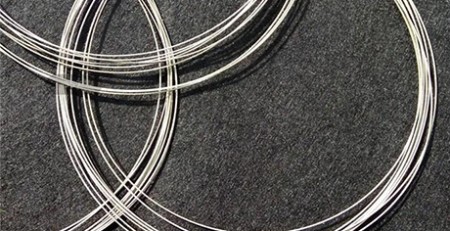
This is where precision cutting technology becomes essential. Slicing a sapphire boule into thin wafers requires a tool that can maintain consistent thickness while minimizing cracks and waste. 这 金刚石线环offers exactly this capability. The continuous loop of diamond-coated wire moves in one direction, providing a smooth, controlled cut with minimal subsurface damage. This technique is especially valuable for producing sapphire wafers used in LED manufacturing or for cutting expensive natural sapphire rough where every millimeter of material matters.
Part Five: Sapphire vs. Other Gemstones
Sapphire vs. 红宝石
As mentioned, both are corundum (Al₂O₃). The only difference is color. There is no chemical distinction—just a historical and commercial naming convention. Some pink sapphires contain the same chromium as rubies but at lower concentrations.
Sapphire vs. 钻石
Diamond is pure carbon in a cubic crystal structure. Sapphire is aluminum oxide in a trigonal (hexagonal) 结构. Diamond is harder (10 与. 9) and has higher refractive index (2.42 与. 1.77), meaning diamonds generally show more brilliance. 然而, sapphire is tougher (less likely to cleave) and costs far less, making it practical for many applications where diamond would be overkill.
Sapphire vs. 玻璃
Glass is amorphous (non-crystalline) silicon dioxide with various additives. Sapphire is crystalline aluminum oxide. Sapphire is much harder, more scratch-resistant, and has higher thermal conductivity. 然而, glass is cheaper and easier to shape, which is why most phone screens still use glass rather than sapphire.
—
Part Six: How to Identify a Real Sapphire
Common Tests
Hardness test: Sapphire scratches glass and most other gemstones (except diamond). But this test is destructive and not recommended for finished jewelry.
Refractive index: Professional gemologists use a refractometer. Natural and synthetic sapphires both measure 1.762–1.770.
Inclusions: Natural sapphires often contain tiny inclusions—rutile needles, mineral crystals, or growth lines. 合成蓝宝石可能显示弯曲条纹 (Verneuil) 或干净的内含物 (柴可拉斯基法).
那么, what are sapphires made of? 答案令人愉快地简单: 氧化铝加少量微量元素. 然而这种简单的成分却产生了地球上最为多样且珍贵的宝石家族之一. 从喀什米尔的深蓝色到合成晶片的工业精确度, sapphire combines beauty, 耐久性, and utility in ways few other materials can match.
Whether you admire a sapphire in a royal crown, wear one as a birthstone (九月), or rely on a sapphire window in a scientific instrument, you are looking at the same remarkable material—corundum, colored and shaped for its purpose.
常见问题
What are sapphires made of?
氧化铝 (Al2O3) — two aluminum atoms bonded to three oxygen atoms in a crystalline lattice. This is the mineral corundum, rating 9 在摩氏硬度等级上. Pure aluminum oxide is colorless; the familiar colors come from trace elements replacing some aluminum atoms in the lattice.
What gives blue sapphire its color?
Small amounts of titanium and iron sitting together in the crystal structure. They interact with light so that certain wavelengths are absorbed and blue is transmitted; the exact shade depends on the ratio and concentration of the two impurities.
Is a synthetic sapphire a real sapphire?
In physical and chemical terms, 是的: synthetic sapphire has the same hardness, chemical resistance and optical properties as natural sapphire. 区别在于产地和价格. Gemologists can distinguish them by internal features such as curved growth lines, but for industrial uses they are interchangeable.
How do you cut sapphire?
Only diamond tooling works, because diamond (莫氏硬度 10) is the only material harder than sapphire (莫氏硬度 9). For slicing boules into wafers or cutting valuable rough, a diamond wire loop provides a smooth, controlled, continuous cut with minimal subsurface damage and very little material loss.

 The Basic Chemistry of Sapphire
 经典的蓝宝石的颜色来自少量的钛和铁. 当这两种元素一起存在于晶体结构中时, 它们与光相互作用,以吸收某些波长并传出蓝色. 确切的色调取决于这些杂质的比例和浓度.